
This post contains affiliate links. As an Amazon Associate, we earn from qualifying purchases. This means we may earn a small commission if you purchase through our links, at no extra cost to you.
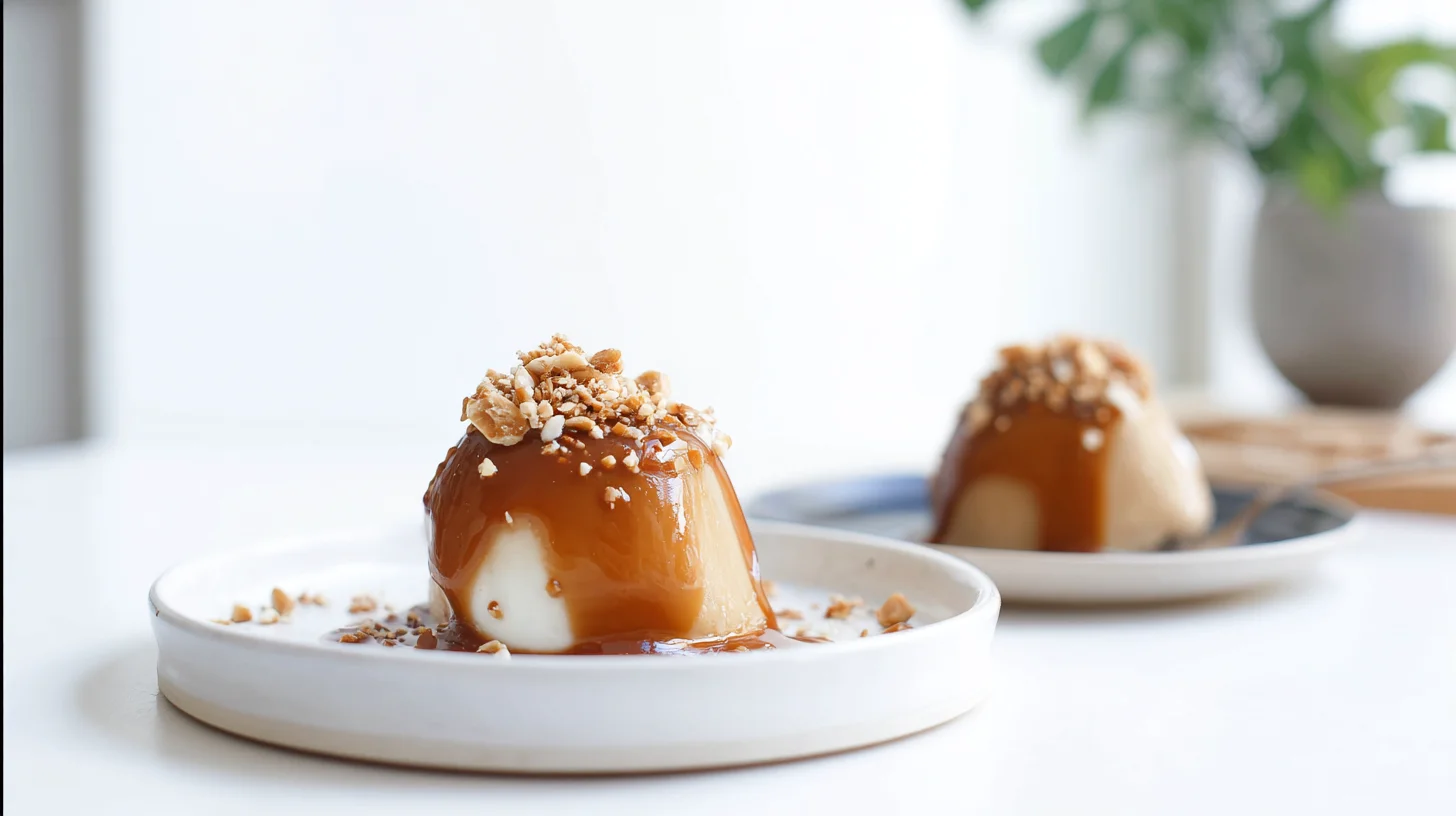
If you’ve been searching for the perfect keto caramel sauce that actually tastes like the real deal, your search ends here. This rich, buttery sauce delivers all the deep caramel flavor you crave without the sugar crash. I still remember the first time I drizzled this over my keto ice cream and nearly cried tears of joy.
What makes this recipe truly special is how incredibly simple it is to make. You only need a handful of ingredients and about 10 minutes of your time. The result is a silky smooth sauce that’s perfect for drizzling over desserts, stirring into coffee, or eating straight from the spoon when no one’s looking.
Whether you’re topping a cheesecake, dipping apple slices, or creating an impressive dessert platter, this sugar-free caramel sauce will become your secret weapon. It stores beautifully in the fridge and reheats like a dream. Plus, it’s so good that your non-keto friends won’t even notice it’s low-carb.
Why You’ll Love This Recipe
- Ready in just 10 minutes from start to finish
- Only 2g net carbs per serving
- Rich, buttery flavor that rivals traditional caramel
- Stores in the fridge for up to 2 weeks
- No candy thermometer required
Your New Go-To Keto Caramel Sauce
Keto Caramel Sauce
8
servings2
minutes8
minutes120
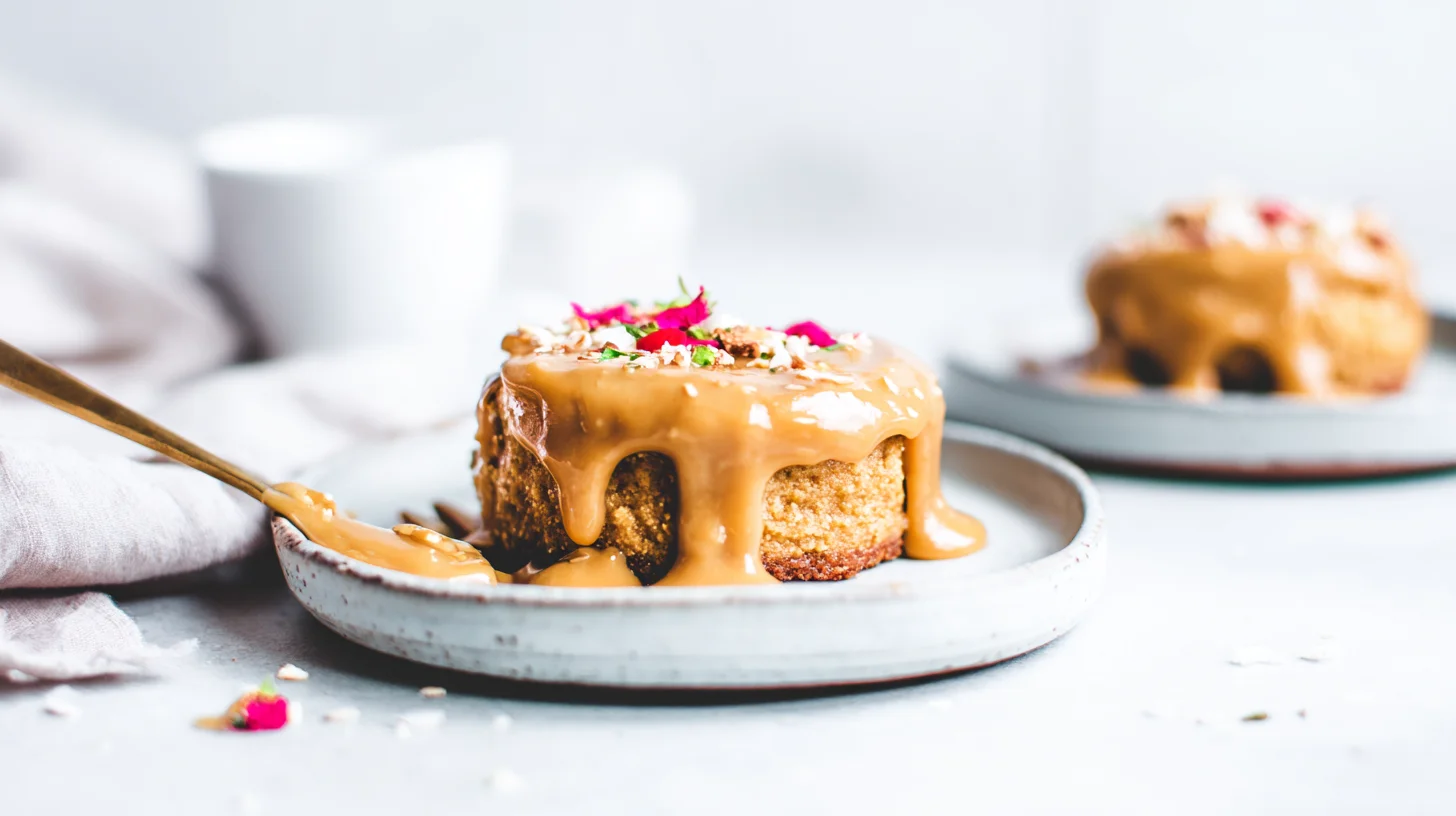
kcalThis rich and buttery keto caramel sauce delivers authentic caramel flavor without the sugar. Ready in just 10 minutes with simple ingredients, it’s perfect for drizzling over desserts, stirring into coffee, or enjoying by the spoonful.
Ingredients
0.5 cup unsalted butter
1 cup heavy cream
0.75 cup powdered erythritol
1 teaspoon vanilla extract
0.25 teaspoon sea salt
0.5 teaspoon xanthan gum
1 tablespoon water
0.25 teaspoon caramel extract
Directions
- Melt the butter in a medium saucepan over medium-low heat, stirring occasionally until completely melted and starting to foam slightly.
- Add the sweetener to the melted butter and whisk constantly for 2-3 minutes until the sweetener dissolves completely and the mixture begins to bubble gently.
- Pour in the heavy cream slowly while whisking continuously. The mixture will bubble vigorously, so be careful. Continue whisking until smooth.
- Simmer the sauce for 4-5 minutes over medium-low heat, stirring frequently, until it thickens slightly and turns a deeper golden color.
- Remove from heat and stir in the vanilla extract and sea salt. If using xanthan gum, sprinkle it over the surface while whisking vigorously to prevent clumps.
- Let the sauce cool for 10 minutes in the pan. It will thicken considerably as it cools to room temperature.
Notes
- Use powdered sweetener rather than granulated for smoother texture and less crystallization.
- Allulose is the best sweetener choice as it doesn’t crystallize when cooled, but powdered erythritol works well too.
- The sauce will seem thin when hot but thickens significantly as it cools.
- Store in an airtight container in the refrigerator for up to 2 weeks.
- If the sauce becomes too thick after refrigeration, add a teaspoon of heavy cream and reheat gently.
Nutrition Facts
- Serving Size: 1 g
- Total number of serves: 8
- Calories: 120kcal
- Fat: 13g
- Carbohydrates: 3g
- Fiber: 1g
- Protein: 1g
Like this recipe?
Follow @easyketodessert on Pinterest
Tips for Perfect Keto Caramel Sauce Every Time
Making this sugar-free caramel sauce is straightforward, but a few key tips will help you achieve that perfect consistency and flavor. Therefore, I’m sharing everything I’ve learned from making this recipe dozens of times. These tricks will save you from common pitfalls and ensure success on your first try.
Choose the Right Sweetener
Not all keto sweeteners behave the same way when heated. For example, erythritol can crystallize as it cools, creating a gritty texture. However, using powdered erythritol helps minimize this issue. Alternatively, you can use allulose, which stays smooth and doesn’t crystallize at all. I highly recommend this powdered monk fruit sweetener blend for the best results.
Watch Your Heat Carefully
Medium-low heat is your best friend when making caramel sauce. High heat will cause the butter to separate and the cream to scorch. As a result, you’ll end up with a broken sauce that looks oily rather than smooth. Patience pays off here, so resist the urge to crank up the heat.
Stir Constantly for Smooth Texture
Continuous stirring prevents hot spots and ensures even cooking throughout. In addition, it helps the sweetener dissolve completely without burning. Use a wooden spoon or silicone spatula to scrape the bottom of the pan regularly. This simple step makes all the difference in achieving that silky consistency.
Let It Thicken as It Cools
Your caramel will seem thin when it’s hot, but don’t worry. It thickens significantly as it cools to room temperature. Furthermore, it becomes even thicker when refrigerated. If you accidentally make it too thick, simply reheat it gently with a splash of heavy cream to thin it out.
Delicious Variations to Try
Once you master the basic recipe, you can customize your caramel sauce in countless ways. These variations add exciting new flavors while keeping everything keto-friendly. Therefore, feel free to experiment and find your favorite combination.
Salted Caramel Version
Add half a teaspoon of sea salt to create a sweet and salty masterpiece. The salt enhances the caramel flavor and adds complexity. For instance, flaky sea salt sprinkled on top of your favorite keto cheesecake with this caramel creates an unforgettable dessert.
Vanilla Bean Caramel
Scrape the seeds from one vanilla bean and add them to the sauce while cooking. Alternatively, use two teaspoons of pure vanilla extract added at the end. This variation pairs beautifully with coffee-flavored desserts and creates a more sophisticated flavor profile.
Dairy-Free Option
Replace the heavy cream with full-fat coconut cream for a dairy-free version. Use coconut oil instead of butter for a completely plant-based sauce. The coconut flavor is subtle but adds a tropical twist that works wonderfully with chocolate desserts.
Bourbon Caramel Sauce
Stir in one tablespoon of bourbon or rum after removing the sauce from heat. The alcohol cooks off slightly, leaving behind a rich, complex flavor. This adult version is perfect for drizzling over keto toffee cake at your next dinner party.
Espresso Caramel
Add one tablespoon of instant espresso powder to the mixture while cooking. The coffee flavor deepens the caramel notes and creates a mocha-like taste. This variation is absolutely divine when paired with chocolate keto pies or brownies.
Understanding the Nutrition
Each two-tablespoon serving of this keto caramel sauce contains approximately 120 calories. The majority of those calories come from healthy fats, which is exactly what we want on a ketogenic diet. In fact, each serving provides about 13 grams of fat, helping you meet your daily fat macros deliciously.
The net carb count sits at just 2 grams per serving, making this sauce incredibly keto-friendly. Traditional caramel sauces can contain 15-20 grams of sugar per serving, so this is a massive improvement. You can enjoy the rich, sweet flavor without worrying about blood sugar spikes or getting kicked out of ketosis.
Protein content is minimal at less than 1 gram per serving, which is typical for a sauce. However, the high fat content makes this sauce incredibly satiating. A small drizzle goes a long way in satisfying your sweet tooth. Furthermore, the healthy fats from butter and cream provide fat-soluble vitamins A, D, E, and K.
When storing your caramel sauce, always keep it refrigerated in an airtight container. It will stay fresh for up to two weeks, though it rarely lasts that long in my house. Simply reheat gently in the microwave or on the stovetop when you’re ready to use it. As a result, you’ll always have a quick keto-friendly topping ready to elevate any dessert.
Your Caramel Questions Answered
I’ve received so many questions about making keto caramel sauce over the years. Therefore, I’ve compiled the most common ones below to help you troubleshoot any issues. These answers will ensure your caramel turns out perfect every single time.
Why did my keto caramel sauce crystallize?
Crystallization happens when using erythritol-based sweeteners as they cool. To prevent this, use powdered erythritol instead of granulated, or switch to allulose which doesn’t crystallize. You can also add a tablespoon of vodka or bourbon, which helps prevent crystallization.
Can I make this caramel sauce ahead of time?
Absolutely! This keto caramel sauce stores beautifully in the refrigerator for up to 2 weeks. Keep it in an airtight container or jar. When you’re ready to use it, simply reheat gently in the microwave for 15-20 seconds or on the stovetop over low heat, stirring frequently.
How do I fix separated caramel sauce?
If your caramel separates and looks oily, it was likely heated too quickly. Remove it from heat immediately and whisk vigorously. If that doesn’t work, add a tablespoon of heavy cream and blend with an immersion blender. Prevention is key, so always use medium-low heat.
What’s the best keto sweetener for caramel sauce?
Allulose is the best choice because it behaves most like sugar and doesn’t crystallize. However, it can be expensive. Powdered erythritol or monk fruit blends work well too, though they may crystallize slightly when cold. Avoid liquid sweeteners as they won’t provide the right consistency.
Can I freeze keto caramel sauce?
Yes, you can freeze this caramel sauce for up to 3 months. Pour it into ice cube trays or small containers for easy portioning. Thaw overnight in the refrigerator and reheat gently before using. The texture may change slightly, but whisking while reheating will restore smoothness.
Is this caramel sauce safe if I’m pregnant?
This recipe doesn’t contain raw eggs, so it’s generally safe during pregnancy. However, always consult your healthcare provider about dietary choices. If you’re concerned about food safety, you can reference FDA guidelines on food safety for more information.







Leave a Reply