
This post contains affiliate links. As an Amazon Associate, we earn from qualifying purchases. This means we may earn a small commission if you purchase through our links, at no extra cost to you.
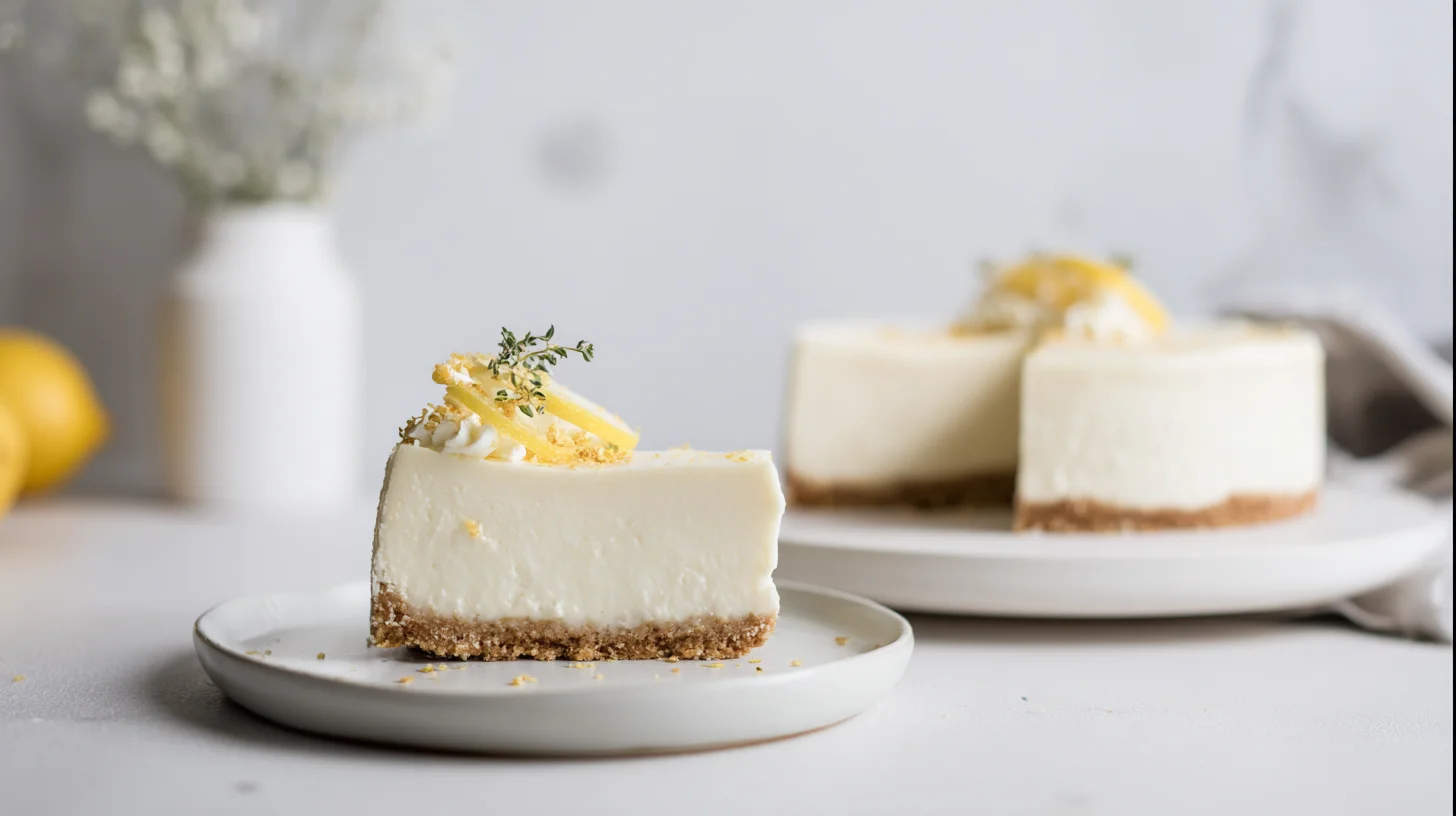
If you’re craving something bright, tangy, and absolutely dreamy, this Keto Lemon Cheesecake is about to become your new obsession. It combines the creamy richness of classic cheesecake with the refreshing zing of fresh lemon juice and zest. Therefore, every bite delivers that perfect balance of sweet and tart that makes your taste buds dance.
I first made this dessert for a summer barbecue, and honestly, it disappeared faster than any traditional dessert I’ve ever served. No one could believe it was sugar-free and low-carb. In addition, it’s surprisingly simple to make, even if you’ve never tackled a cheesecake before. The buttery almond flour crust holds up beautifully against the silky filling, creating texture contrast that’s simply irresistible.
This showstopper works beautifully for Easter brunch, Mother’s Day celebrations, or any time you want to impress guests without spending hours in the kitchen. However, it’s also perfect for a quiet weekend treat when you want something special just for yourself. The bright citrus flavor from fresh lemons makes it feel light and refreshing, even though it’s wonderfully indulgent.
Why You’ll Love This Recipe
- Only 4g net carbs per generous slice
- No water bath required for perfect texture
- Bright citrus flavor that tastes like sunshine
- Makes 12 servings perfect for entertaining
- Stores beautifully in the fridge for up to 5 days
Your Creamy Citrus Dream Starts Here

Keto Lemon Cheesecake
12
servings20
minutes55
minutes320
kcalThis Keto Lemon Cheesecake features a buttery almond flour crust topped with a creamy, tangy filling bursting with fresh lemon flavor. It’s the perfect low-carb dessert that tastes like sunshine in every bite.
Ingredients
2 cups almond flour
0.25 cup powdered erythritol
0.33 cup butter
24 oz cream cheese
0.75 cup powdered erythritol
3 large eggs
0.5 cup sour cream
0.33 cup fresh lemon juice
2 tablespoons lemon zest
1 teaspoon vanilla extract
0.25 teaspoon salt
1 tablespoon lemon slices
Directions
- Preheat your oven to 325°F and line a 9-inch springform pan with parchment paper on the bottom and sides.
- Mix the crust ingredients by combining almond flour, powdered erythritol, and melted butter in a bowl until it resembles wet sand.
- Press the crust mixture firmly into the bottom of your prepared pan, creating an even layer that goes slightly up the sides.
- Bake the crust for 10 minutes until lightly golden, then remove from oven and let it cool while you prepare the filling.
- Beat the cream cheese and powdered erythritol together on medium speed until smooth and fluffy, about 2 minutes.
- Add the eggs one at a time, mixing on low speed just until each egg is incorporated before adding the next.
Notes
- Make sure all ingredients are at room temperature for the smoothest texture.
- Don’t overmix after adding the eggs to prevent incorporating too much air.
- Store covered in the refrigerator for up to 5 days.
- This cheesecake freezes well for up to 2 months when wrapped tightly.
Nutrition Facts
- Serving Size: 1 g
- Total number of serves: 12
- Calories: 320kcal
- Fat: 29g
- Carbohydrates: 6g
- Fiber: 2g
- Protein: 7g
Like this recipe?
Follow @easyketodessert on Pinterest
Expert Tips for Perfect Keto Lemon Cheesecake
Making a flawless cheesecake might seem intimidating, but I promise it’s easier than you think. Follow these simple guidelines, and you’ll achieve that smooth, crack-free top every single time. As a result, your dessert will look just as amazing as it tastes.
Bring Ingredients to Room Temperature
This step is absolutely crucial for silky texture. Cold cream cheese creates lumps that won’t blend out, no matter how long you mix. Therefore, set your cream cheese and eggs on the counter about an hour before you start baking. They should feel slightly cool to the touch but not cold. This simple trick ensures your filling blends into one smooth, luxurious mixture without any grainy bits.
Don’t Overmix the Batter
Once you add the eggs, mix just until combined. Overmixing incorporates too much air, which creates cracks as the cheesecake bakes and cools. Use a low speed on your mixer and stop as soon as you no longer see streaks. In addition, scrape down the sides of the bowl frequently to ensure everything blends evenly without excessive mixing.
Cool Gradually for Best Results
Sudden temperature changes cause cracks and texture issues. After baking, turn off the oven and crack the door open slightly. Let your cheesecake sit inside for one hour as the oven cools down. Then move it to the counter for another hour before refrigerating. This gradual cooling process prevents the dreaded crack down the center and gives you that professional bakery look.
Use Fresh Lemon Juice and Zest
Bottled lemon juice simply can’t compare to the bright, fresh flavor of real lemons. The zest adds aromatic oils that make the citrus flavor pop in every bite. For best results, zest your lemons before juicing them, and use a quality microplane zester to avoid the bitter white pith. You’ll need about three medium lemons for both the juice and zest required in this recipe.
Line Your Pan Properly
Parchment paper makes removing your cheesecake effortless. Cut a circle for the bottom and a long strip for the sides of your springform pan. This creates a non-stick barrier that lets you lift out perfect slices without any sticking or tearing. Trust me, this extra minute of prep saves so much frustration when serving time arrives.
Creative Ways to Customize Your Cheesecake
One of the best things about this recipe is how adaptable it is to your preferences and dietary needs. Whether you want to switch up flavors or accommodate allergies, these variations keep the same creamy texture while offering exciting new taste profiles. Therefore, don’t be afraid to experiment and make this recipe your own.
Berry Lemon Swirl Version
Add a beautiful marbled effect by swirling in sugar-free berry sauce. Simply puree fresh or frozen raspberries or blueberries with a tablespoon of sweetener, then strain out the seeds. Drop spoonfuls onto your cheesecake batter and swirl gently with a knife before baking. This creates gorgeous color contrast and adds another layer of fruity flavor that pairs beautifully with the tangy lemon. For more berry inspiration, check out this no-bake berry cheesecake variation that uses similar techniques.
Dairy-Free Adaptation
Replace the cream cheese with dairy-free cream cheese alternatives like Kite Hill or Miyoko’s. Use coconut cream instead of sour cream for the same tangy richness. The texture will be slightly different but still wonderfully creamy and delicious. In addition, make sure all your dairy-free products are at room temperature for the smoothest possible texture.
Coconut Flour Crust Option
If you’re avoiding nuts, swap the almond flour crust for coconut flour. Use one cup coconut flour, six tablespoons melted butter, and two tablespoons sweetener. The texture will be slightly more crumbly but equally delicious. Press it firmly into the pan and bake for 10 minutes before adding your filling.
Different Sweetener Choices
While I prefer erythritol for its clean taste and zero glycemic impact, you can substitute with monk fruit sweetener or allulose. Each sweetener behaves slightly differently, so understanding sweetener properties helps you make the best choice. Allulose browns more easily, so watch your crust carefully. Monk fruit blends work beautifully and measure cup-for-cup like sugar. For convenience, I love using this powdered erythritol blend that dissolves instantly without any grittiness.
Lemon Curd Topping
Take your cheesecake to the next level with a glossy lemon curd layer on top. Make a simple keto lemon curd by whisking egg yolks, lemon juice, sweetener, and butter over low heat until thickened. Let it cool completely before spreading over your chilled cheesecake. This adds an extra punch of citrus flavor and creates a stunning presentation. If you love lemon desserts, you’ll also adore this fluffy keto lemon cake that delivers similar bright flavors in a different format.
Lighter Texture Alternative
For a fluffier, soufflé-like texture, try making a Japanese cotton cheesecake with lemon instead. That style uses whipped egg whites folded into the batter, creating an airy texture that’s completely different but equally delicious. It’s a fun variation when you want something a bit lighter.
Understanding the Nutrition in Every Slice
Each generous slice of this Keto Lemon Cheesecake contains approximately 320 calories, making it a satisfying dessert that fits beautifully into your daily macros. The high fat content comes primarily from cream cheese and butter, providing 29 grams of healthy fats that keep you satiated. Therefore, one slice feels indulgent and filling without leaving you hungry an hour later.
With only 4 grams of net carbs per serving, this dessert won’t kick you out of ketosis. The total carb count sits at 6 grams, but we subtract 2 grams of fiber to calculate net carbs. In addition, each slice provides 7 grams of protein, which comes from the cream cheese and eggs. This protein content helps balance your macros and makes the dessert more nutritionally complete.
The sugar content remains minimal at just 2 grams per slice, and that comes naturally from the cream cheese and lemon juice rather than added sugars. Our keto-friendly sweetener doesn’t impact blood sugar levels, so you can enjoy this treat without the glucose spike. However, always use properly handled fresh eggs for food safety, especially since cheesecake contains raw eggs that get cooked at lower temperatures. For perfectly measured ingredients every time, I recommend investing in a quality digital kitchen scale that ensures accuracy down to the gram.
Remember that these nutrition facts represent one slice when you cut the cheesecake into 12 equal portions. If you cut larger or smaller slices, adjust your macro calculations accordingly. The beauty of homemade desserts is that you control every ingredient, so you know exactly what you’re eating. As a result, you can enjoy this creamy, citrusy treat with complete confidence that it aligns with your keto lifestyle.
Your Keto Lemon Cheesecake Questions Answered
I get so many questions about making the perfect keto cheesecake, so I’ve gathered the most common ones right here. These answers will help you troubleshoot any issues and ensure your dessert turns out absolutely perfect every single time. Therefore, read through these before you start baking to set yourself up for success.
Can I make this cheesecake ahead of time?
Absolutely! In fact, this Keto Lemon Cheesecake tastes even better after chilling overnight. The flavors meld together beautifully, and the texture becomes perfectly firm. You can make it up to 3 days in advance and store it covered in the refrigerator. Just add any toppings right before serving to keep them fresh and vibrant.
Why did my cheesecake crack on top?
Cracks usually happen from overmixing the batter, baking at too high a temperature, or cooling too quickly. To prevent cracks, mix just until combined after adding eggs, bake at the correct temperature, and cool gradually by leaving the cheesecake in the turned-off oven with the door cracked for an hour. Following these steps should give you a smooth, crack-free top.
Can I freeze keto lemon cheesecake?
Yes, this cheesecake freezes beautifully for up to 2 months. Wrap individual slices tightly in plastic wrap, then place them in a freezer-safe container or bag. Thaw slices in the refrigerator overnight before serving. The texture remains creamy and delicious after freezing, making this perfect for meal prep or having dessert ready whenever a craving hits.
What’s the best way to cut clean slices?
Use a sharp knife dipped in hot water and wiped dry between each cut. The warm blade slices through the cold cheesecake smoothly without dragging or tearing. This simple trick gives you those beautiful, bakery-perfect slices that look amazing on the plate. You can also run the knife under hot water again if it starts sticking.
Can I use bottled lemon juice instead of fresh?
While you technically can, I strongly recommend using fresh lemon juice for the best flavor. Fresh lemons provide bright, vibrant citrus notes that bottled juice simply can’t match. The zest is equally important for that aromatic lemon flavor throughout the cheesecake. Three medium lemons will give you all the juice and zest you need for this recipe.
Do I need a springform pan?
A springform pan makes removing the cheesecake much easier, but you can use a regular cake pan lined with parchment paper. Just make sure the parchment extends up the sides so you can lift the entire cheesecake out once it’s set. This method works well, though it requires a bit more care when removing the cheesecake from the pan.







Leave a Reply