
This post contains affiliate links. As an Amazon Associate, we earn from qualifying purchases. This means we may earn a small commission if you purchase through our links, at no extra cost to you.
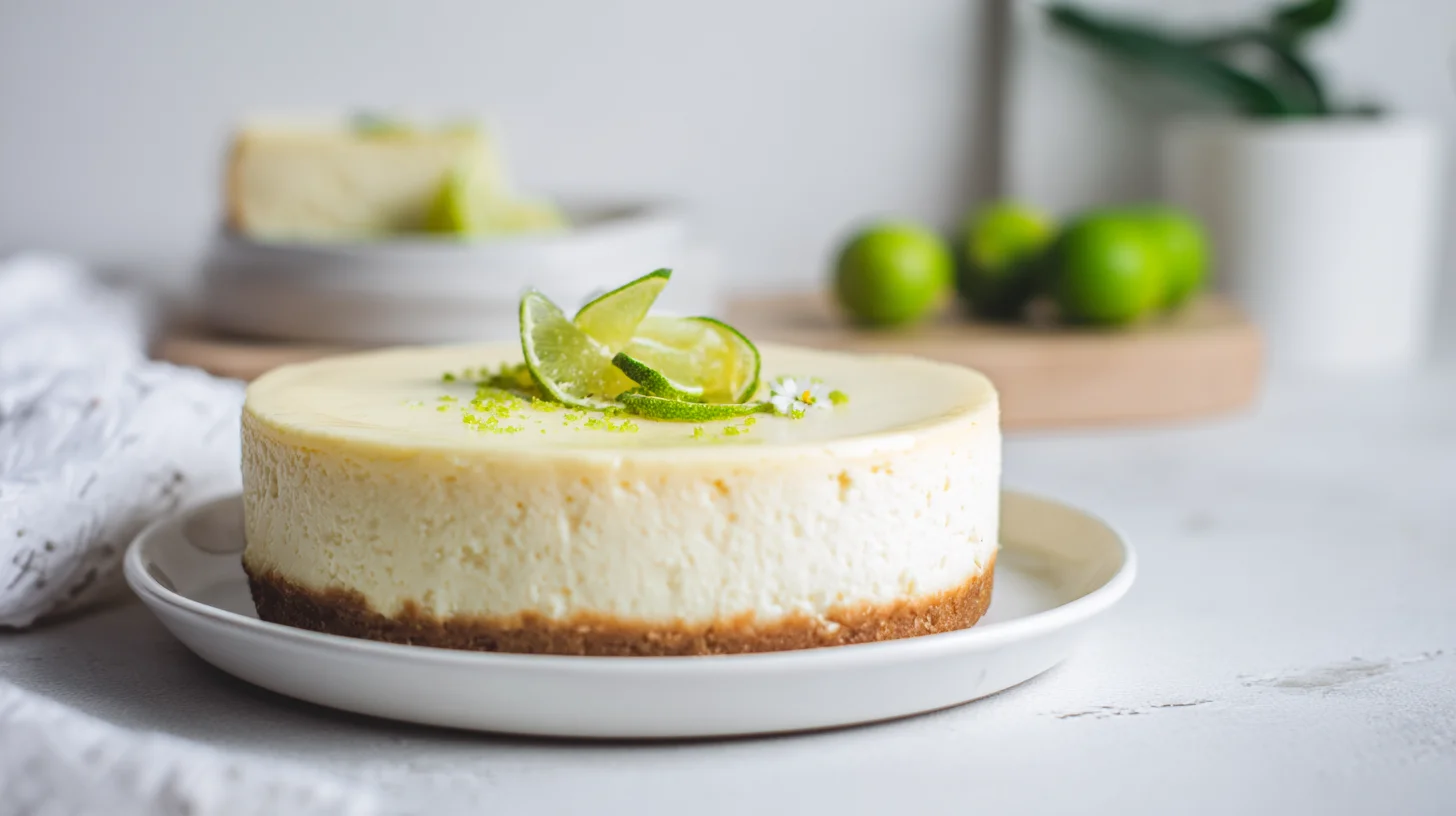
If you love tangy, creamy desserts that make your taste buds dance, this Keto Key Lime Cheesecake is about to become your new obsession. It combines the rich, velvety texture of classic cheesecake with the bright, zesty flavor of key lime for a dessert that feels like a tropical vacation in every bite. Best of all, it fits perfectly into your low-carb lifestyle without any guilt.
I first made this cheesecake for a summer barbecue, and it disappeared faster than any dessert I’ve ever brought. People couldn’t believe it was sugar-free and keto-friendly. The combination of cream cheese, fresh lime juice, and a buttery almond flour crust creates a dessert that’s both sophisticated and easy to make. Whether you’re celebrating a special occasion or just treating yourself on a Tuesday night, this recipe delivers restaurant-quality results.
What I love most about this recipe is how forgiving it is for beginners. You don’t need any fancy equipment or pastry skills. Just mix, pour, bake, and chill. The result is a stunning dessert that looks like you spent hours in the kitchen, even though the active time is minimal. Plus, the refreshing citrus flavor makes it perfect for warm weather gatherings or anytime you need something light yet indulgent.

Why You’ll Love This Recipe
- Only 4g net carbs per slice
- Bright, tangy key lime flavor with creamy texture
- Perfect make-ahead dessert for entertaining
- No water bath required
- Beginner-friendly with simple ingredients
Your Tropical Keto Dessert Awaits
Keto Key Lime Cheesecake
12
servings20
minutes55
minutes320
kcalThis keto key lime cheesecake features a buttery almond flour crust and a tangy, creamy filling made with fresh lime juice and zest. It’s the perfect balance of sweet and tart with only 4g net carbs per slice.
Ingredients
2 cups almond flour
0.25 cup powdered erythritol
6 tablespoons butter
24 ounces cream cheese
0.75 cup powdered erythritol
0.5 cup fresh lime juice
2 tablespoons lime zest
3 large eggs
0.5 cup sour cream
1 teaspoon vanilla extract
0.25 teaspoon salt
1 tablespoon lime slices
Directions
- Preheat your oven to 325°F and line the bottom of a 9-inch springform pan with parchment paper. Lightly grease the sides with butter or cooking spray.
- Make the crust by combining almond flour, quarter cup powdered erythritol, and melted butter in a medium bowl. Mix until the texture resembles wet sand.
- Press the crust mixture firmly into the bottom of your prepared pan, creating an even layer. Use the bottom of a glass to pack it down tightly.
- Bake the crust for 10 minutes until lightly golden. Remove from oven and let it cool while you prepare the filling.
- Beat the cream cheese in a large bowl with an electric mixer on medium speed until smooth and fluffy, about 2-3 minutes. Scrape down the sides as needed.
- Add the sweetener and continue beating until fully incorporated and no lumps remain. The mixture should be light and creamy.
Notes
- Make sure all ingredients are at room temperature for the smoothest filling.
- Store covered in the refrigerator for up to 5 days.
- For easier slicing, dip your knife in hot water and wipe clean between cuts.
- The cheesecake can be frozen for up to 3 months. Wrap slices individually in plastic wrap.
Nutrition Facts
- Serving Size: 1 g
- Total number of serves: 12
- Calories: 320kcal
- Fat: 28g
- Carbohydrates: 9g
- Fiber: 5g
- Protein: 7g
Like this recipe?
Follow @easyketodessert on Pinterest
Tips for Perfect Keto Key Lime Cheesecake
Making a flawless cheesecake might seem intimidating at first, but these tips will help you achieve bakery-quality results every single time. I’ve learned these tricks through trial and error, so you don’t have to. Let’s dive into what makes this dessert truly spectacular.
Getting Your Ingredients to Room Temperature
This step is absolutely crucial for a smooth, lump-free filling. Take your cream cheese and eggs out of the refrigerator at least one hour before you start baking. Cold cream cheese creates lumps that won’t blend out, no matter how long you mix. Room temperature ingredients incorporate much more easily and create that silky texture we’re after. If you forget to plan ahead, you can cut the cream cheese into small cubes and microwave it in short 10-second bursts.
Choosing the Right Sweetener
Not all keto sweeteners work the same way in cheesecake. I recommend using powdered erythritol or a monk fruit blend for the smoothest texture. Granulated sweeteners can leave a slightly gritty feel, even after mixing. You can make your own powdered sweetener by blending granulated erythritol in a coffee grinder for about 30 seconds. According to the FDA guidelines on sweeteners, sugar alcohols like erythritol are safe for most people and don’t spike blood sugar. For this recipe, this powdered monk fruit sweetener works beautifully and dissolves instantly.
Preventing Cracks on Top
Nobody wants a cracked cheesecake, even though it still tastes amazing. The key is to avoid overmixing once you add the eggs. Mix just until combined, then stop. Overmixing incorporates too much air, which expands during baking and causes cracks as it cools. Additionally, let your cheesecake cool gradually in the oven with the door slightly open for about an hour after baking. This prevents sudden temperature changes that lead to cracking.
Using Fresh Lime Juice
Fresh lime juice makes all the difference in this recipe. Bottled juice simply can’t match the bright, authentic flavor of freshly squeezed limes. You’ll need about 4-5 regular limes or 10-12 key limes to get enough juice. Key limes are smaller and more tart than regular Persian limes, but either works wonderfully. The citrus family of fruits provides incredible flavor and natural acidity that balances the richness of cream cheese perfectly.
Testing for Doneness
Cheesecake should still have a slight jiggle in the center when you remove it from the oven. It will continue to set as it cools. If you bake it until completely firm, it will be overdone and potentially dry. The edges should be set and slightly puffed, while the center should wobble gently when you shake the pan. A kitchen thermometer is helpful here; the center should reach 150°F for food safety. The USDA recommends proper egg handling to ensure your desserts are both delicious and safe.
Creative Variations to Try
Once you master the basic recipe, you can customize it in countless ways. These variations keep things interesting and let you adapt the dessert to different preferences or dietary needs. Feel free to experiment and make this recipe your own.
No-Bake Version
If you want to skip the oven entirely, you can make this as a no-bake cheesecake. Simply press the crust into your pan and chill it while you prepare the filling. For the filling, use the same ingredients but add two tablespoons of grass-fed gelatin bloomed in cold water. Mix everything together, pour into the crust, and refrigerate for at least 6 hours or overnight. This method is perfect for hot summer days when you don’t want to turn on the oven. For more no-bake inspiration, check out this classic no-bake keto cheesecake that uses similar techniques.
Lemon Instead of Lime
Love lemon desserts? Swap the lime juice and zest for lemon to create a keto lemon cheesecake. The flavor profile changes from tropical to bright and sunny, but it’s equally delicious. You might want to add just a touch more sweetener since lemons can be slightly more tart than limes. This keto lemon cake offers another way to enjoy citrus flavors in your low-carb baking.
Coconut Crust Alternative
For a more tropical twist, replace half the almond flour in the crust with unsweetened shredded coconut. Toast the coconut lightly before mixing it with the butter and sweetener for extra flavor. This creates a more textured crust that pairs beautifully with the lime filling. You can also add a quarter teaspoon of coconut extract to the filling for an even more pronounced tropical taste.
Dairy-Free Option
Making this dairy-free requires a few substitutions, but it’s totally doable. Use dairy-free cream cheese and replace the sour cream with coconut cream. For the crust, swap the butter with coconut oil. The texture will be slightly different but still creamy and delicious. Make sure to use full-fat coconut cream, not coconut milk, for the best results. This dairy-free cream cheese works exceptionally well in cheesecake recipes.
Mini Cheesecakes
Transform this recipe into individual servings by making mini cheesecakes in a muffin tin. Line the cups with paper liners, press in the crust, and divide the filling evenly. Bake at the same temperature but reduce the time to about 18-20 minutes. These are perfect for portion control and entertaining. Plus, they look adorable on a dessert table. You’ll get about 12 mini cheesecakes from this recipe.
Japanese-Style Fluffy Texture
For a lighter, airier texture, separate your eggs and beat the whites until stiff peaks form. Fold them gently into the filling at the very end. This creates a soufflé-like cheesecake that’s incredibly light and fluffy. It will puff up dramatically in the oven and deflate slightly as it cools, which is completely normal. If you love this style, you might also enjoy this Japanese cotton cheesecake recipe that takes the technique even further.
Understanding the Nutrition
Let’s break down what makes this dessert so keto-friendly. Each generous slice contains only 4g net carbs, which fits easily into most low-carb meal plans. The majority of carbs come from the almond flour crust and the natural sugars in lime juice. However, the high fiber content from almond flour helps offset the total carbs.
With 28g of fat per serving, this cheesecake keeps you satisfied and helps you meet your daily fat macros. The fat comes primarily from cream cheese, sour cream, and butter, all of which are healthy fats when consumed as part of a balanced keto diet. The protein content sits at 7g per slice, which is a nice bonus from the cream cheese and eggs.
At 320 calories per serving, this dessert is reasonable for an indulgent treat. It’s rich enough that one slice truly satisfies your sweet tooth. The sugar alcohols in the sweetener aren’t counted toward net carbs because they don’t impact blood sugar levels. Using quality almond flour ensures you get additional nutrients like vitamin E and magnesium along with great texture.
If you’re tracking macros closely, remember that serving sizes matter. This recipe yields 12 slices when cut from a 9-inch springform pan. Cutting smaller or larger pieces will obviously change the nutritional values. I recommend using a kitchen scale if you need precise measurements for your daily tracking.
Your Questions Answered
Over the years of making and sharing this recipe, I’ve received tons of questions from readers. Here are the most common ones with detailed answers to help you succeed. If you have a question that isn’t covered here, feel free to leave a comment and I’ll get back to you as soon as possible.
Can I use regular limes instead of key limes?
Absolutely! Regular Persian limes work perfectly in this recipe. Key limes are more traditional and slightly more tart, but regular limes are easier to find and give you excellent results. You’ll need about 4-5 regular limes to get the half cup of juice required.
How long does this cheesecake need to chill?
The cheesecake needs to chill for at least 4 hours, but overnight is ideal. This allows the filling to set completely and the flavors to develop. The texture improves significantly with longer chilling time, so plan ahead if possible.
Can I freeze keto key lime cheesecake?
Yes, this cheesecake freezes beautifully for up to 3 months. Wrap individual slices tightly in plastic wrap, then place them in a freezer-safe container. Thaw in the refrigerator overnight before serving. The texture remains creamy and delicious after freezing.
Why is my cheesecake cracking on top?
Cracks usually happen from overmixing the batter, overbaking, or cooling too quickly. Mix just until ingredients are combined, remove the cheesecake when the center still jiggles slightly, and let it cool gradually in the oven with the door cracked open. These steps prevent most cracking issues.
What can I use instead of almond flour for the crust?
You can substitute coconut flour, but use only one-third the amount since it’s much more absorbent. Crushed pork rinds mixed with melted butter also make an excellent zero-carb crust option. Some people use a combination of almond flour and ground pecans for extra flavor.





Leave a Reply