
This post contains affiliate links. As an Amazon Associate, we earn from qualifying purchases. This means we may earn a small commission if you purchase through our links, at no extra cost to you.
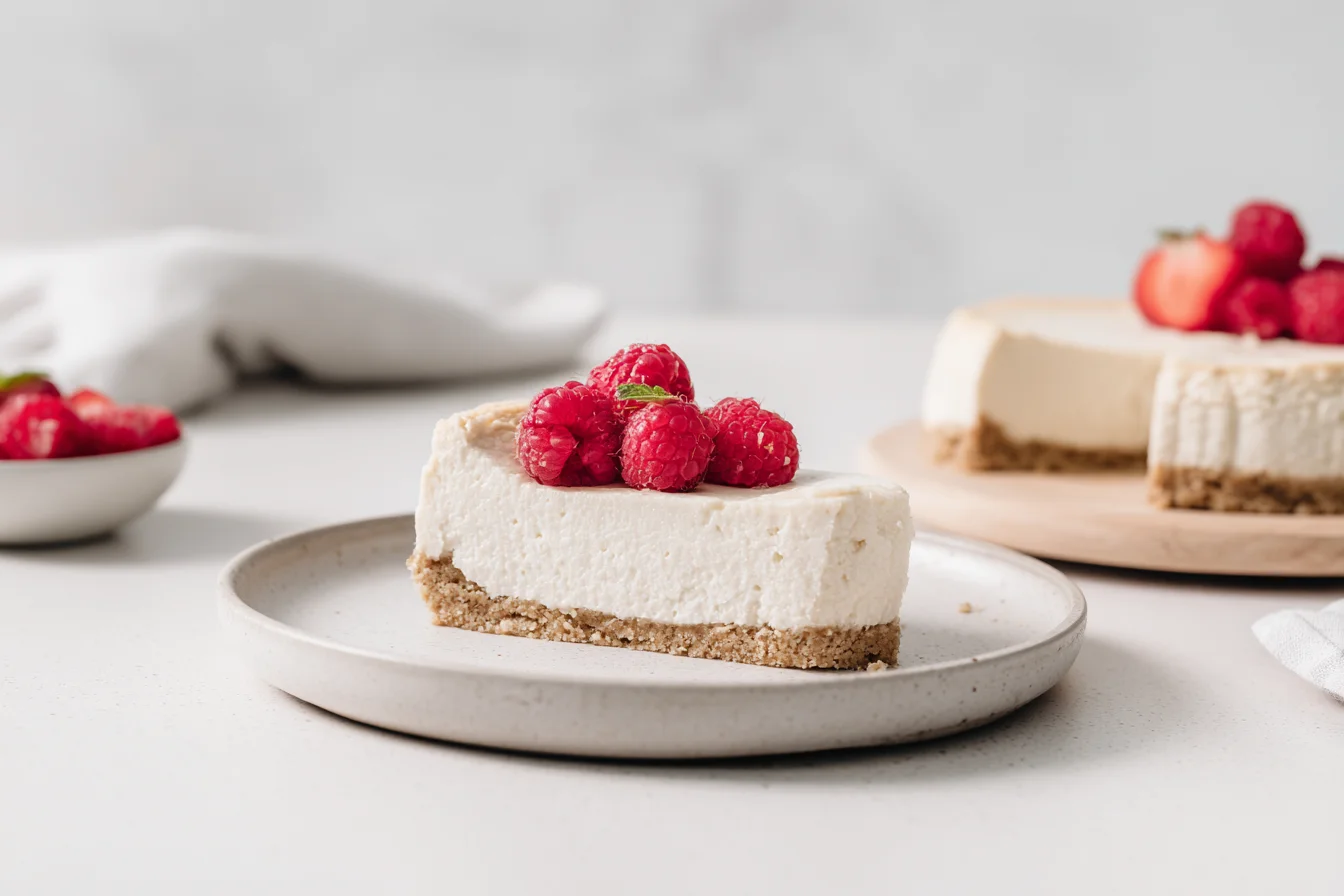
If you’re looking for a dessert that satisfies your sweet tooth while keeping your macros in check, this High Protein Keto Cheesecake is about to become your new favorite. It’s creamy, rich, and packed with protein to help you stay full and energized. Plus, it tastes like an indulgent treat without derailing your low-carb lifestyle.
I created this recipe after countless evenings craving something sweet but not wanting to sacrifice my protein goals. Traditional cheesecake is already keto-friendly, but adding extra protein takes it to another level. This dessert works beautifully for meal prep, post-workout treats, or when you simply want to impress guests with a show-stopping dessert that happens to be healthy.
The best part? You don’t need any fancy equipment or complicated techniques. Just a few simple ingredients, a springform pan, and about an hour of your time. The result is a velvety smooth cheesecake with a buttery almond flour crust that rivals any bakery version.
Why You’ll Love This Recipe
- Packed with 18g protein per slice
- Only 4g net carbs per serving
- No water bath required
- Perfect make-ahead dessert
- Creamy texture that melts in your mouth
Let’s Make This Protein-Packed Keto Dream
High Protein Keto Cheesecake
12
servings20
minutes55
minutes285
kcalThis rich and creamy keto cheesecake is packed with protein from Greek yogurt, cream cheese, and protein powder. With only 4g net carbs per slice and 18g of protein, it’s the perfect guilt-free dessert that keeps you satisfied.
Ingredients
2 cups almond flour
4 tablespoons butter
3 tablespoons powdered erythritol
24 ounces cream cheese
1 cup plain Greek yogurt
3/4 cup powdered erythritol
1/2 cup unflavored whey protein isolate
4 large eggs
2 teaspoons vanilla extract
1 tablespoon lemon juice
1/4 teaspoon salt
1 pinch fresh berries
Directions
- Preheat your oven to 325°F and line the bottom of a 9-inch springform pan with parchment paper. Wrap the outside of the pan with aluminum foil to prevent any leaks.
- Make the crust by combining almond flour, melted butter, and 3 tablespoons of powdered erythritol in a bowl. Mix until the texture resembles wet sand.
- Press the crust mixture firmly into the bottom of the prepared pan, creating an even layer. Bake for 10 minutes until lightly golden, then remove and let cool while you prepare the filling.
- Beat the cream cheese in a large bowl with an electric mixer on medium speed until smooth and fluffy, about 2-3 minutes. Scrape down the sides of the bowl as needed.
- Add the Greek yogurt and 3/4 cup powdered erythritol to the cream cheese. Beat until completely smooth and well combined.
- Mix in the protein powder on low speed until fully incorporated. The mixture should be smooth without any lumps.
Notes
- Make sure all ingredients are at room temperature before starting for the smoothest texture.
- The cheesecake can be frozen for up to 3 months. Wrap individual slices tightly in plastic wrap and store in an airtight container.
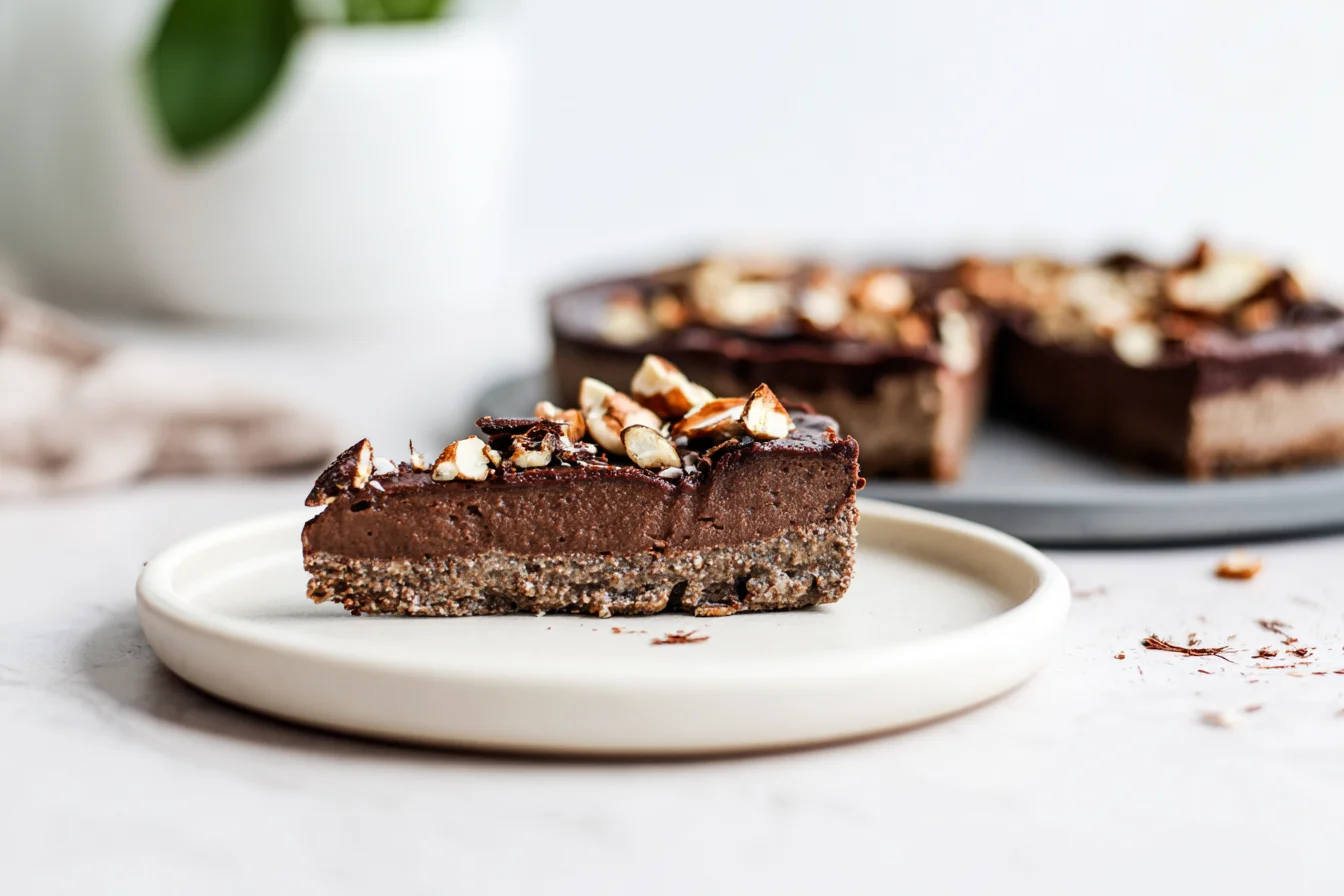
- For a chocolate version, add 3 tablespoons of unsweetened cocoa powder to the filling.
- If small cracks appear on top, cover them with sugar-free whipped cream or a berry topping before serving.
Nutrition Facts
- Serving Size: 1 g
- Total number of serves: 12
- Calories: 285kcal
- Fat: 21g
- Carbohydrates: 8g
- Fiber: 4g
- Protein: 18g
Like this recipe?
Follow @easyketodessert on Pinterest
Expert Tips for the Perfect High Protein Keto Cheesecake
Making a flawless cheesecake doesn’t have to be intimidating. However, a few key techniques will ensure your dessert turns out perfectly every time. These tips will help you avoid common pitfalls and achieve that bakery-quality texture.
Bring Everything to Room Temperature
This is the most important step for smooth, lump-free filling. Cold cream cheese won’t blend properly and will create a grainy texture. Therefore, set your cream cheese, eggs, and Greek yogurt on the counter at least one hour before baking. If you’re short on time, cut the cream cheese into cubes to speed up the process.
Don’t Overmix the Batter
Once you add the eggs, mix on low speed just until combined. Overmixing incorporates too much air, which creates cracks on the surface as the cheesecake bakes. In addition, scrape down the sides of the bowl frequently to ensure everything blends evenly without excessive mixing.
Use a Quality Protein Powder
Not all protein powders behave the same in baking. Unflavored whey protein isolate works best because it dissolves smoothly without adding grittiness. I recommend this unflavored whey isolate for its clean taste and smooth texture. Avoid plant-based proteins in this recipe as they can create a chalky mouthfeel.
Cool Gradually to Prevent Cracks
Sudden temperature changes cause cheesecakes to crack. After baking, turn off the oven and crack the door open slightly. Let the cheesecake cool inside for one hour. Then, move it to the counter to cool completely before refrigerating. This gradual cooling prevents the dreaded surface cracks.
Chill Overnight for Best Results
While you can technically eat this cheesecake after four hours of chilling, overnight is better. The flavors meld together beautifully and the texture becomes incredibly creamy. As a result, your patience will be rewarded with the most delicious slice possible.
Creative Ways to Customize Your Cheesecake
One of the best things about this recipe is its versatility. You can easily adapt it to match your taste preferences or dietary needs. Here are some delicious variations to try.
Chocolate Protein Cheesecake
Add three tablespoons of unsweetened cocoa powder to the filling along with the protein powder. You can also use chocolate-flavored protein powder for an even richer taste. Top with sugar-free chocolate chips or a drizzle of sugar-free chocolate syrup before serving. This variation pairs wonderfully with the keto cottage cheese ice cream for an ultimate dessert experience.
Berry Swirl Version
Make a quick berry compote by heating half a cup of fresh or frozen berries with two tablespoons of sweetener until thickened. Swirl it into the cheesecake batter before baking for beautiful marbled effect. Raspberries and blackberries work especially well because they’re lower in carbs than other fruits.
Lemon Protein Cheesecake
Add the zest of two lemons and two tablespoons of fresh lemon juice to the filling. The bright citrus flavor cuts through the richness beautifully. This lighter version is perfect for spring and summer gatherings. For more cheesecake inspiration, check out this creamy ricotta cheesecake that uses a different cheese base.
Peanut Butter Swirl
Warm three tablespoons of natural peanut butter until pourable. Drizzle it over the cheesecake batter and swirl with a knife before baking. The combination of peanut butter and cream cheese is absolutely divine. Just make sure to use unsweetened peanut butter to keep the carbs low.
Dairy-Free Alternative
Replace the cream cheese with cashew-based cream cheese and use coconut yogurt instead of Greek yogurt. The texture will be slightly different but still delicious. However, finding a good dairy-free protein powder is crucial for maintaining the protein content. For more information about dairy alternatives, visit this comprehensive guide on dairy nutrition.
Sweetener Substitutions
While this recipe uses erythritol, you can substitute with monk fruit sweetener or allulose in equal amounts. Each sweetener behaves slightly differently in baking. Allulose creates the most cake-like texture because it doesn’t crystallize. If you want to learn more about different sweetener options, this FDA guide covers everything you need to know. I personally love using this powdered monk fruit blend for its clean taste and smooth texture.
Breaking Down the Nutrition
This High Protein Keto Cheesecake delivers impressive macros that make it perfect for anyone following a low-carb, high-protein lifestyle. Each generous slice contains only 4g net carbs, which fits easily into most keto meal plans. The high protein content comes from the combination of cream cheese, Greek yogurt, eggs, and protein powder.
At 18g of protein per serving, this dessert actually contributes meaningfully to your daily protein goals. That’s more protein than many protein bars on the market. The healthy fats from cream cheese and eggs help keep you satisfied for hours. Therefore, this isn’t just an empty-calorie dessert but a nutritious treat that supports your fitness goals.
The calorie count sits at 285 per slice, which is reasonable for a rich, creamy dessert. Most of those calories come from quality fats and protein rather than sugar and refined carbs. In addition, the fiber from almond flour helps slow digestion and keeps blood sugar stable. If you’re interested in exploring more protein-rich keto desserts, the fluffy Japanese cotton cheesecake offers a lighter texture with similar benefits.
It’s worth noting that these nutrition facts are calculated per slice when the cheesecake is cut into 12 servings. If you cut larger slices, adjust the macros accordingly. Also, remember that eggs are an excellent source of complete protein and essential nutrients. For safe egg handling practices, refer to these USDA guidelines for egg safety.
Your Cheesecake Questions Answered
Making cheesecake for the first time can raise lots of questions. Here are the most common ones I receive from readers, along with detailed answers to help you succeed. These tips will help troubleshoot any issues and ensure your cheesecake turns out perfectly every time.
Can I use a different type of protein powder?
Yes, but results may vary. Unflavored whey protein isolate works best because it dissolves smoothly without affecting texture. Casein protein can make the cheesecake denser. Plant-based proteins like pea or hemp may create a grittier texture and slightly alter the taste. If using flavored protein powder, reduce the vanilla extract to avoid overpowering the flavor.
Why did my cheesecake crack on top?
Cracks usually happen from sudden temperature changes or overmixing. Make sure to mix the batter on low speed once you add eggs. Let the cheesecake cool gradually in the oven with the door cracked open for one hour before removing. Also, avoid opening the oven door during baking as this causes temperature fluctuations.
How long does this cheesecake last in the fridge?
This High Protein Keto Cheesecake stays fresh in the refrigerator for up to 7 days when stored in an airtight container. The texture actually improves after the first day as the flavors meld together. You can also freeze individual slices wrapped tightly in plastic wrap for up to 3 months. Thaw overnight in the refrigerator before serving.
Can I make this cheesecake without a springform pan?
While a springform pan makes removal easier, you can use a regular 9-inch cake pan lined with parchment paper. Make sure the parchment extends up the sides so you can lift the cheesecake out after chilling. Alternatively, you can make individual cheesecakes in a muffin tin lined with cupcake liners. Reduce baking time to 20-25 minutes for mini versions.
Do I need to use Greek yogurt or can I skip it?
Greek yogurt adds extra protein and creates a lighter, fluffier texture. However, you can replace it with an equal amount of sour cream if preferred. The cheesecake will be slightly richer and denser. You can also use additional cream cheese, but this will increase the fat content and reduce the protein slightly.








Leave a Reply