
This post contains affiliate links. As an Amazon Associate, we earn from qualifying purchases. This means we may earn a small commission if you purchase through our links, at no extra cost to you.
Have you ever wondered which sweetener makes the best keto cheesecake? I spent an entire weekend running a Keto Cheesecake Sweetener Test in my kitchen, and the results were absolutely fascinating. Each sweetener brought something different to the table, from texture to sweetness level to that elusive creamy mouthfeel we all crave.
This recipe isn’t just one cheesecake. Instead, it’s a systematic approach to testing multiple keto-friendly sweeteners side by side. You’ll make small portions using the same base recipe, then compare how each sweetener performs. Therefore, you can discover your personal favorite and never waste ingredients on a disappointing dessert again.
Whether you’re hosting a keto dessert party or simply want to nail down the perfect sweetener for your baking, this test will give you all the answers. In addition, you’ll learn valuable tips about sweetener ratios, cooling times, and flavor profiles that apply to all your future keto baking adventures.
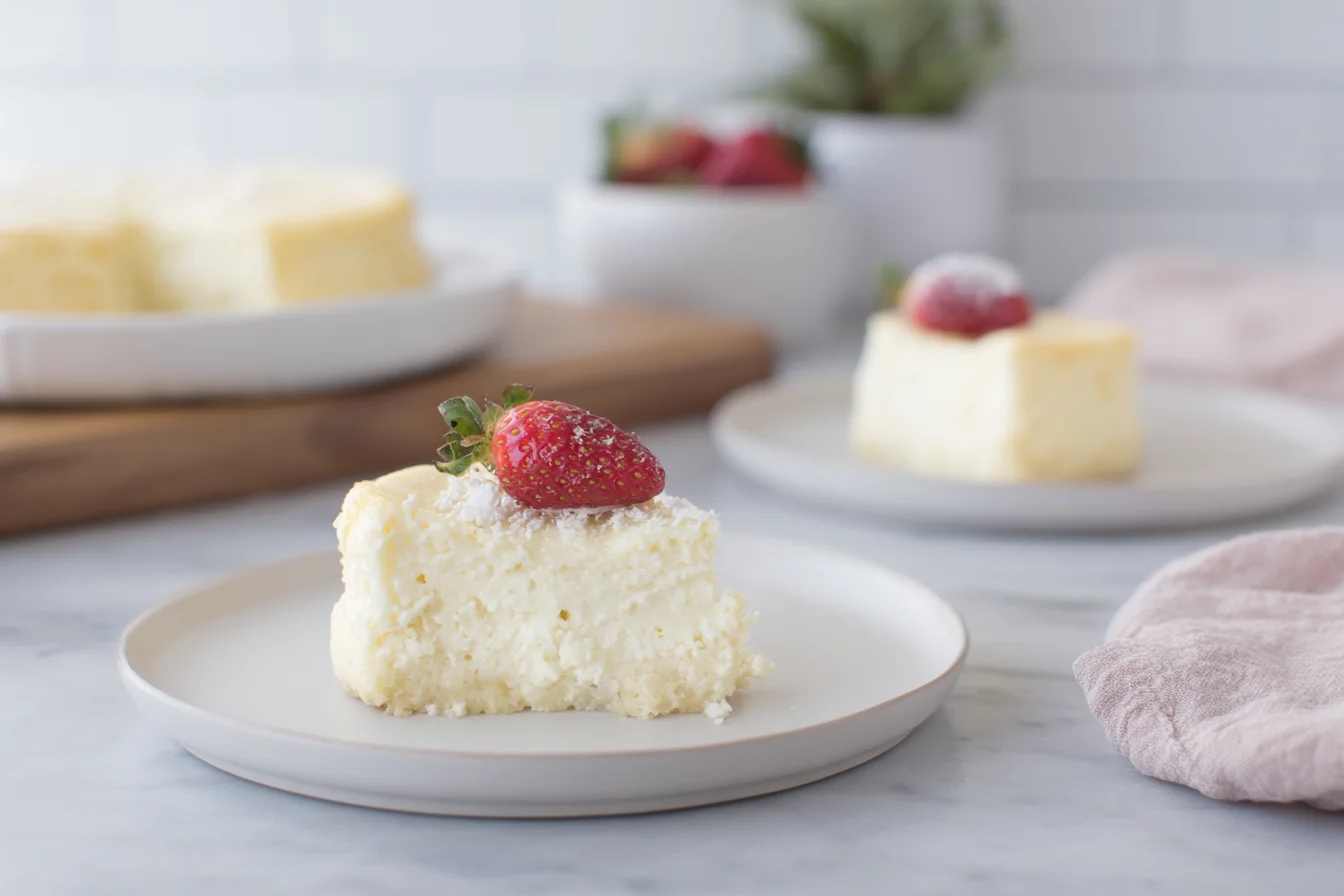
Why You’ll Love This Recipe
- Compare 4 different keto sweeteners side by side
- Only 3g net carbs per mini cheesecake
- No baking required for quick results
- Perfect for finding your ideal sweetener
- Uses simple ingredients you already have
Your Complete Sweetener Comparison Guide
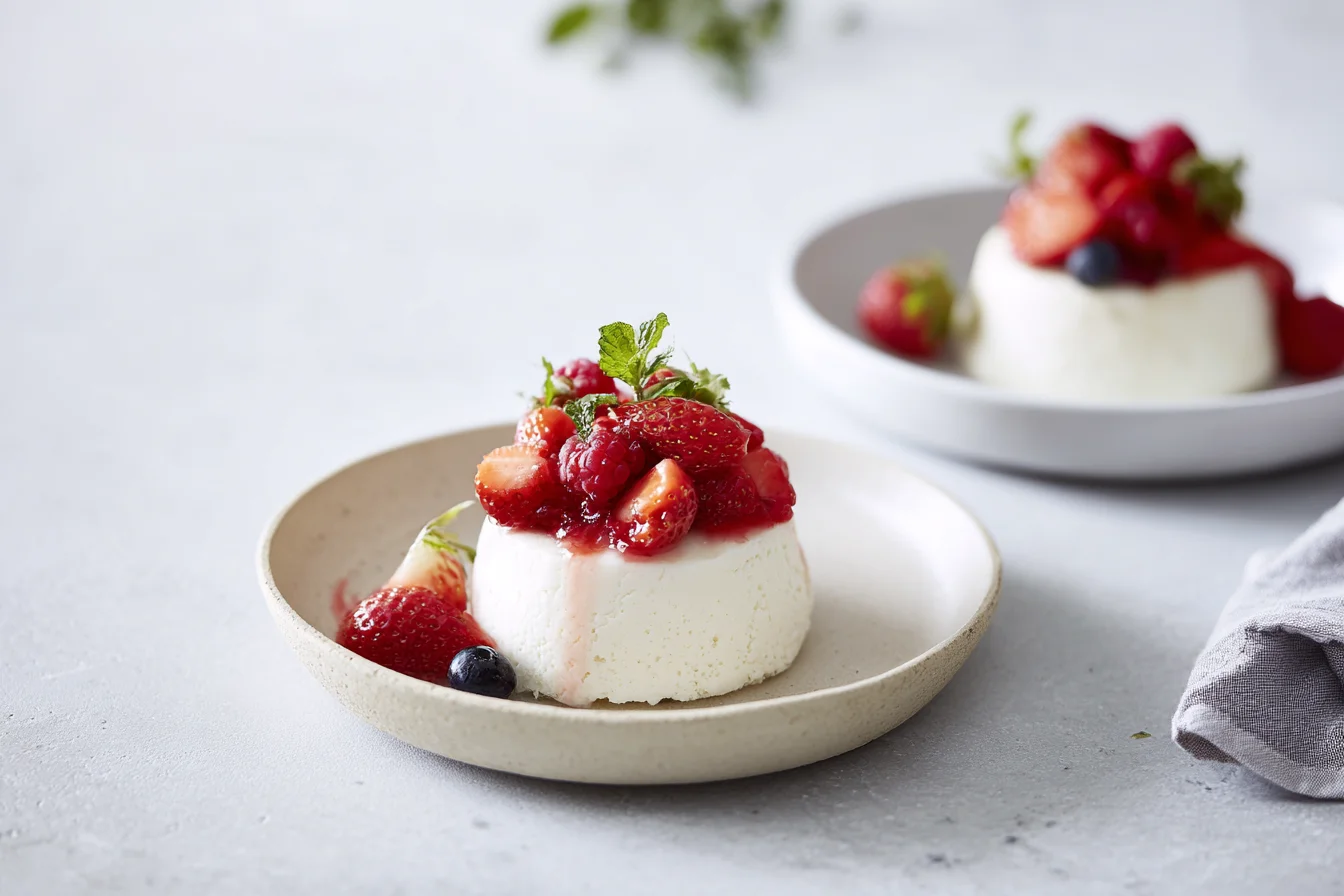
Keto Cheesecake Sweetener Test
4
servings20
minutes0
minutes180
kcalThis systematic sweetener comparison lets you test four different keto-friendly sweeteners side by side in mini cheesecakes. Discover which one delivers the best taste, texture, and sweetness level for all your future keto desserts.
Ingredients
8 oz cream cheese
0.5 cup heavy whipping cream
1 teaspoon vanilla extract
0.25 cup powdered erythritol
0.25 cup powdered allulose
0.25 cup monk fruit sweetener
0.25 cup stevia erythritol blend
1 pinch sea salt
2 tablespoons almond flour
1 tablespoon melted butter
Directions
- Beat the cream cheese in a large mixing bowl with an electric mixer until completely smooth and fluffy, about 2 minutes.
- Add the heavy cream, vanilla extract, and salt to the cream cheese and beat on medium speed until well combined.
- Divide the mixture evenly into four small bowls, using a kitchen scale for accuracy. Each bowl should contain approximately 3 ounces of mixture.
- Add a different sweetener to each bowl: erythritol to bowl 1, allulose to bowl 2, monk fruit to bowl 3, and stevia blend to bowl 4.
- Mix each bowl thoroughly with a separate spoon to avoid cross-contamination. Beat until the sweetener is completely dissolved and incorporated.
- Taste a tiny bit from each bowl to note initial sweetness levels. Write down your first impressions before chilling.
Notes
- Use room temperature cream cheese to avoid lumps in your mixture.
- Measure all sweeteners by weight for the most accurate comparison.
- Some sweeteners dissolve faster than others. Be patient and mix thoroughly.
- Take notes during tasting to remember which sweetener you preferred.
- Consider testing at different temperatures to see how each sweetener performs.
Nutrition Facts
- Serving Size: 1 g
- Total number of serves: 4
- Calories: 180kcal
- Fat: 16g
- Carbohydrates: 5g
- Fiber: 2g
- Protein: 5g
Like this recipe?
Follow @easyketodessert on Pinterest
Expert Tips for Your Keto Cheesecake Sweetener Test
Running a proper sweetener test requires attention to detail and consistency. However, don’t let that intimidate you. These tips will ensure your results are accurate and truly helpful for all your future keto baking projects.
Use Room Temperature Ingredients
Cold cream cheese creates lumps that won’t blend smoothly. Let your cream cheese sit on the counter for at least one hour before starting. As a result, you’ll achieve that silky texture professional bakers love.
Measure Sweeteners by Weight
Different sweeteners have different densities and volumes. Therefore, measuring by weight ensures accuracy across all four tests. I recommend using a precise digital kitchen scale for the most consistent results.
Label Each Mini Cheesecake Clearly
Write the sweetener name on a small piece of paper and place it under each container. Otherwise, you’ll forget which is which after they chill. Trust me, I learned this lesson the hard way during my first test run.
Chill for the Full Time
Each sweetener affects the setting time slightly differently. For example, allulose tends to stay softer while erythritol firms up more quickly. Nevertheless, giving all four the full four hours ensures fair comparison.
Taste at Room Temperature
Some sweeteners develop a cooling sensation when cold. Let each mini cheesecake sit out for 15 minutes before tasting. This way, you’ll experience the true flavor without temperature interference.
Creative Variations to Try
Once you’ve completed your basic Keto Cheesecake Sweetener Test, you can expand your experiments. These variations will help you understand how different sweeteners perform in various flavor profiles and textures.
Chocolate Sweetener Test
Add two tablespoons of unsweetened cocoa powder to your base mixture. This variation shows how sweeteners perform with bitter ingredients. For inspiration, check out this decadent chocolate cheesecake that uses similar principles.
Berry Swirl Version
Swirl a teaspoon of sugar-free berry puree into each test cheesecake. This helps you see how sweeteners complement fruity flavors. In addition, the acidity from berries can highlight differences in sweetness perception.
Baked Sweetener Test
Instead of no-bake versions, try baking your test cheesecakes at 325°F for 15 minutes. Some sweeteners behave differently under heat. For instance, monk fruit can develop slight bitterness while erythritol remains stable. If you want to explore baked options further, this fluffy Japanese-style cheesecake demonstrates beautiful baked texture.
Blend Testing
Many keto bakers prefer sweetener blends over single options. Try combining erythritol with monk fruit or allulose with stevia. Blends often balance out individual weaknesses like cooling effects or aftertastes. I love using this monk fruit erythritol blend for consistently great results.
Dairy-Free Alternative
Swap cream cheese for coconut cream cheese and use coconut cream instead of heavy cream. This variation is perfect for those avoiding dairy. However, note that coconut products may slightly alter sweetness perception, so adjust accordingly.
Classic No-Bake Comparison
If you want to see how your chosen sweetener performs in a full-sized dessert, try this simple no-bake cheesecake recipe using your favorite option from the test.
Understanding Your Nutrition Numbers
Each mini test cheesecake contains approximately 180 calories. The macros break down beautifully for keto: 16g of fat, 5g of protein, and only 3g net carbs. These numbers make this experiment completely guilt-free.
The fat content comes primarily from cream cheese and heavy cream, providing that rich, satisfying texture. Meanwhile, the protein helps keep you full and supports muscle maintenance. Most importantly, the net carbs stay incredibly low because we’re using sugar-free sweeteners approved by FDA guidelines for alternative sweeteners.
Different sweeteners may cause slight variations in total carbs. For example, allulose technically contains carbs but doesn’t impact blood sugar. Therefore, many keto dieters subtract it entirely from their daily counts. On the other hand, erythritol is a sugar alcohol that also gets subtracted as fiber.
The beauty of this test is that you can compare not just taste but also how each sweetener affects your personal ketosis. Some people find certain sweeteners trigger cravings while others don’t. Furthermore, individual responses to high-intensity sweeteners can vary significantly.
If you’re tracking macros strictly, consider using powdered allulose sweetener for the smoothest texture and zero glycemic impact. Each serving provides clean energy without spiking insulin. As a result, you stay in ketosis while enjoying a truly decadent treat.
Remember that these nutrition facts represent averages. Your specific results may vary slightly based on the exact brands you use. Nevertheless, all versions will remain solidly within keto-friendly ranges. For more detailed information about sweetener safety and approval, consult FDA resources on food sweeteners.
Your Sweetener Questions Answered
Testing sweeteners can raise lots of questions, especially if you’re new to keto baking. Below, I’ve answered the most common concerns that readers share with me about comparing different sugar alternatives in cheesecakes.
Which keto sweetener tastes most like sugar in cheesecake?
Allulose tastes closest to real sugar with no aftertaste and similar texture. However, erythritol blends also work beautifully and cost less. Many bakers prefer combining erythritol with monk fruit for balanced sweetness without cooling effects.
Can I use liquid sweeteners for this test?
Yes, but adjust quantities carefully since liquid sweeteners are more concentrated. Use about half the amount compared to granulated versions. Keep in mind that liquid sweeteners may make your cheesecake slightly softer and affect setting time.
Why does my erythritol cheesecake have a cooling sensation?
Erythritol naturally creates a cooling effect on the tongue, similar to mint. This sensation is more noticeable in no-bake desserts. To minimize it, try blending erythritol with monk fruit or allulose, or let the cheesecake come to room temperature before serving.
How long do these test cheesecakes last in the fridge?
Your mini test cheesecakes stay fresh for up to 5 days when stored in airtight containers. However, I recommend tasting them within 2 days for the most accurate sweetener comparison. Some sweeteners may crystallize slightly over time, affecting texture.
Can I freeze leftover test portions?
Absolutely! Wrap each mini cheesecake individually in plastic wrap, then place in a freezer bag. They’ll keep for up to 3 months. Thaw in the refrigerator overnight before tasting. Note that freezing may slightly alter texture, especially with erythritol-based versions.
Do I need to adjust sweetener amounts for different brands?
Yes, sweetness levels vary significantly between brands. Some monk fruit blends are twice as sweet as others. Start with the recipe amounts, then adjust based on your taste preference. Always check the conversion chart on your sweetener package for accuracy.




Leave a Reply