
This post contains affiliate links. As an Amazon Associate, we earn from qualifying purchases. This means we may earn a small commission if you purchase through our links, at no extra cost to you.
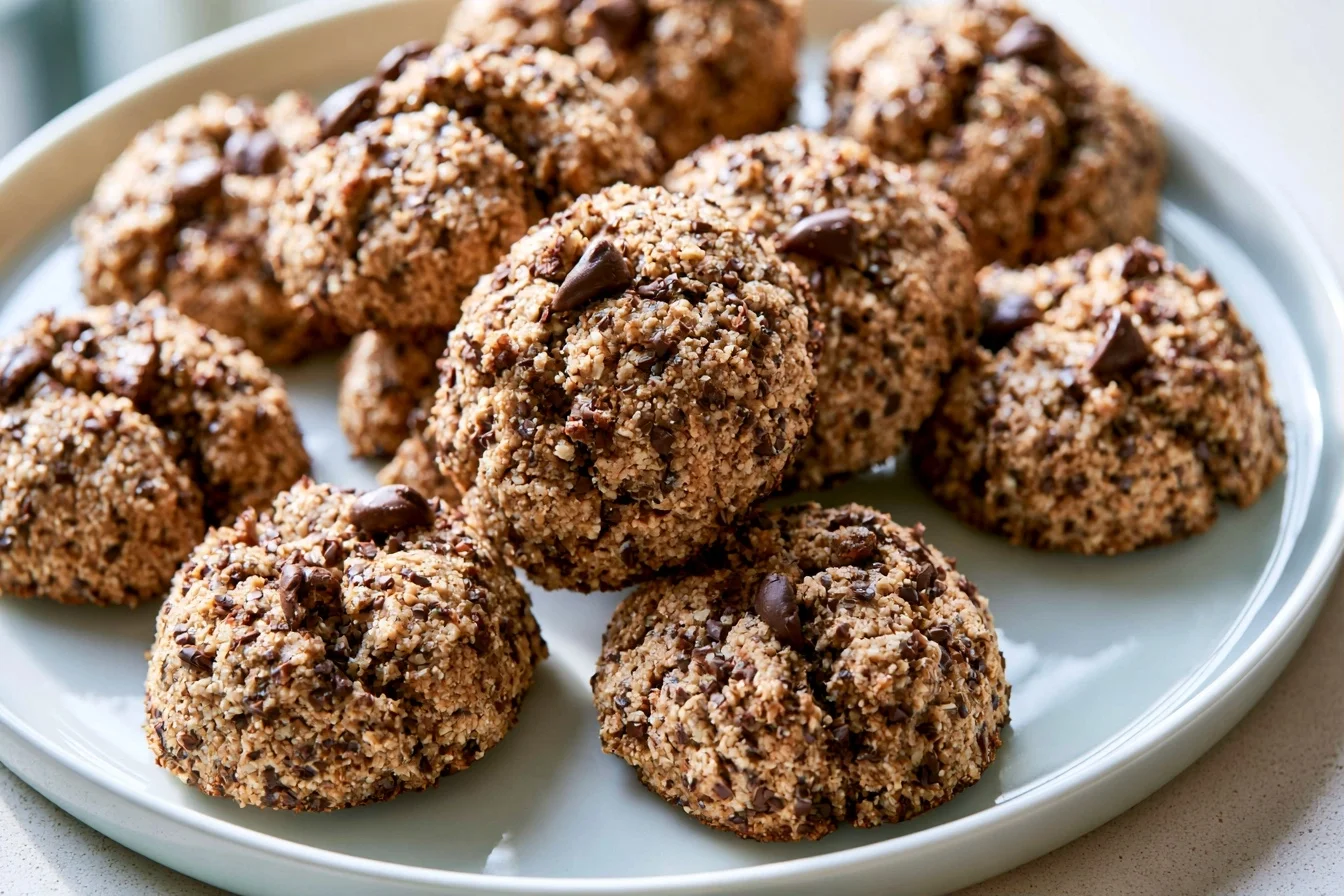
If you’re looking for a protein-packed treat that keeps you full and satisfied, these keto protein cookies are about to become your new favorite snack. They combine the chewy texture of classic cookies with a serious protein boost, making them perfect for post-workout fuel or an afternoon pick-me-up. Plus, they’re ridiculously easy to whip up with simple ingredients you probably already have in your pantry.
I started making these cookies when I got tired of bland protein bars that tasted like cardboard. I wanted something that actually felt like a dessert but still supported my fitness goals. After a few kitchen experiments, I landed on this recipe, and honestly, I haven’t looked back since. My husband even sneaks them into his lunch box without realizing they’re low-carb.
These cookies are incredibly versatile too. You can customize them with different flavors, add sugar-free chocolate chips, or keep them plain and simple. They store beautifully in the fridge for meal prep, so you can bake a batch on Sunday and enjoy them all week long. Trust me, once you try these, you’ll wonder why you ever bought store-bought protein snacks.
Why You’ll Love This Recipe
- Ready in just 20 minutes from start to finish
- Only 2g net carbs per cookie
- Packed with 8g of protein per serving
- Perfect for meal prep and freezer-friendly
- Soft, chewy texture that rivals traditional cookies
Your New Go-To Protein Cookie Recipe
Keto Protein Cookies
12
servings10
minutes10
minutes120
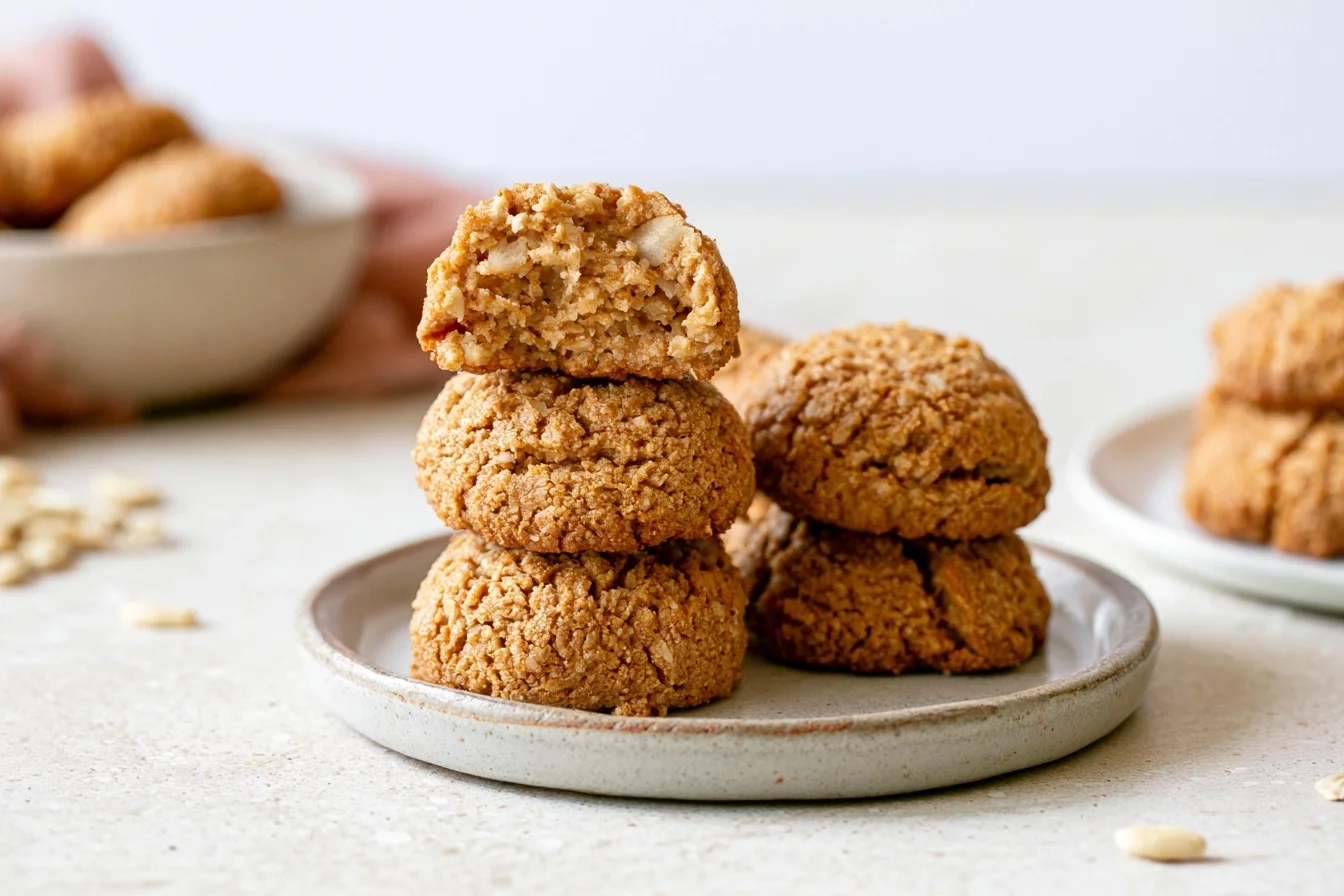
kcalThese soft and chewy keto protein cookies are packed with 8g of protein and only 2g net carbs per serving. They’re perfect for meal prep, post-workout snacks, or whenever you need a guilt-free sweet treat that actually tastes amazing.
Ingredients
1 cup almond flour
0.5 cup vanilla whey protein powder
0.25 cup powdered erythritol
0.5 teaspoon baking soda
0.25 teaspoon sea salt
0.25 cup almond butter
1 large egg
2 tablespoons unsalted butter
1 teaspoon vanilla extract
2 tablespoons almond milk
0.25 cup sugar-free chocolate chips
1 pinch flaky sea salt
Directions
- Preheat your oven to 350°F (175°C) and line a large baking sheet with parchment paper or a silicone baking mat.
- Combine the dry ingredients in a medium mixing bowl by whisking together the almond flour, protein powder, powdered erythritol, baking soda, and sea salt until well blended.
- Mix the wet ingredients in a separate bowl by whisking together the almond butter, egg, melted butter, vanilla extract, and almond milk until smooth and creamy.
- Combine wet and dry ingredients by pouring the wet mixture into the dry ingredients and stirring with a spatula until a thick dough forms, being careful not to overmix.
- Fold in chocolate chips if using, distributing them evenly throughout the dough.
- Form the cookies by scooping about 1.5 tablespoons of dough and rolling it into a ball, then placing it on the prepared baking sheet and gently flattening it to about half-inch thickness.
Notes
- Store cookies in an airtight container in the refrigerator for up to one week or freeze for up to three months.
- Different brands of protein powder absorb liquid differently, so you may need to adjust the almond milk by a teaspoon or two to get the right consistency.
- These cookies will look slightly underbaked when you remove them from the oven, but they’ll firm up as they cool—don’t overbake them or they’ll be dry.
- For a nut-free version, try sunflower seed butter and sunflower seed flour, though the color may change slightly due to a natural reaction with baking soda.
Nutrition Facts
- Serving Size: 1 g
- Total number of serves: 12
- Calories: 120kcal
- Fat: 9g
- Carbohydrates: 5g
- Fiber: 3g
- Protein: 8g
Like this recipe?
Follow @easyketodessert on Pinterest
Tips for Perfect Keto Protein Cookies Every Time
Making these cookies is straightforward, but a few key tips will help you achieve that perfect chewy texture and rich flavor. First, let me share some tricks I’ve learned from baking countless batches. These simple adjustments make all the difference between good cookies and absolutely amazing ones.
Choose the Right Protein Powder
Not all protein powders behave the same way in baking. Whey protein isolate tends to create lighter, fluffier cookies, while casein protein makes them denser and chewier. I personally love using vanilla-flavored whey protein, but unflavored works great too if you want more control over the sweetness. Avoid plant-based proteins for this recipe as they can turn out grainy and dry.
Don’t Overmix the Dough
Once you combine your wet and dry ingredients, mix just until everything comes together. Overmixing develops too much gluten from the almond flour, resulting in tough cookies instead of tender ones. The dough should be slightly sticky but still hold its shape when you roll it into balls. If it’s too dry, add a teaspoon of almond milk at a time until it reaches the right consistency.
Watch Your Baking Time Carefully
These cookies can go from perfectly chewy to overdone in just a minute or two. They should look slightly underbaked when you pull them from the oven, with edges that are just starting to turn golden. They’ll continue cooking on the hot baking sheet as they cool. For best results, use parchment paper or a silicone baking mat to prevent sticking and ensure even baking.
Let Them Cool Completely
I know it’s tempting to grab one right away, but patience pays off here. These cookies firm up significantly as they cool, developing that perfect chewy texture. If you try to move them too soon, they’ll fall apart. Let them sit on the baking sheet for at least 10 minutes before transferring to a cooling rack.
Delicious Ways to Customize Your Cookies
One of the best things about this recipe is how easily you can adapt it to your preferences. Whether you want to change up the flavors or work around dietary restrictions, these variations will keep your cookie jar interesting. Therefore, don’t be afraid to experiment and find your perfect combination.
Chocolate Lover’s Version
Add 2 tablespoons of unsweetened cocoa powder to the dry ingredients and fold in a quarter cup of sugar-free chocolate chips. You can also try using chocolate protein powder instead of vanilla for an extra chocolatey experience. This variation tastes like a brownie cookie hybrid that’s absolutely irresistible. For more chocolate inspiration, check out our collection of keto-friendly cookie recipes that satisfy every craving.
Peanut Butter Protein Cookies
Replace half the almond butter with natural peanut butter for a classic flavor combination. The peanut butter adds extra protein and creates a slightly different texture that’s wonderfully nostalgic. You can also press a few sugar-free peanut butter chips into the tops before baking for an extra special touch.
Dairy-Free Adaptation
This recipe is naturally dairy-free if you use the right ingredients. Simply ensure your protein powder doesn’t contain milk derivatives, and you’re all set. Most whey proteins do contain dairy, so opt for a high-quality egg white protein or beef protein isolate instead. The texture stays remarkably similar with these substitutions.
Sweetener Swaps
While I prefer erythritol for its clean taste and zero glycemic impact, you can use monk fruit sweetener or allulose instead. Each sweetener behaves slightly differently, so you might need to adjust the amount to match your taste preferences. I recommend using powdered sweetener rather than granulated for the smoothest texture and best results. If you’re curious about different sweetener options, this guide to low-calorie sweeteners offers helpful information.
Add-In Ideas
Get creative with mix-ins to keep things interesting. Sugar-free chocolate chips, chopped nuts, unsweetened coconut flakes, or sugar-free white chocolate chips all work beautifully. Just fold them in gently at the end, and don’t add more than half a cup total or the cookies might not hold together properly.
Understanding the Nutrition Behind These Cookies
Each cookie delivers an impressive nutritional profile that makes them perfect for anyone following a low-carb lifestyle. With only 2g net carbs per serving, they fit easily into your daily macros without derailing your progress. In addition, the 8g of protein per cookie helps keep you satisfied between meals and supports muscle recovery after workouts.
The fat content comes primarily from almond flour and almond butter, both of which provide healthy monounsaturated fats that support heart health and hormone production. These aren’t empty calories either—you’re getting valuable nutrients like vitamin E, magnesium, and fiber along with great taste. As a result, you can enjoy these cookies guilt-free knowing they’re actually nourishing your body.
At approximately 120 calories per cookie, they make an excellent snack that won’t break your calorie budget. The combination of protein and fat creates lasting satiety, so one or two cookies actually satisfy your sweet tooth instead of triggering more cravings. This makes them particularly useful for those moments when you need something sweet but want to stay on track with your goals. Following a well-formulated ketogenic approach becomes much easier when you have delicious options like these available.
These cookies also work wonderfully as part of a balanced keto breakfast when paired with coffee or tea. Similar to how our protein-packed pancakes provide morning fuel, these cookies offer a grab-and-go option for busy mornings. You can even crumble one over Greek yogurt or use them alongside our crispy protein waffles for a complete breakfast spread.
Your Keto Cookie Questions Answered
Over the years, I’ve received tons of questions about making protein cookies successfully. Below, I’ve compiled the most common questions along with detailed answers to help you troubleshoot any issues. However, if you have a question that isn’t covered here, feel free to leave a comment and I’ll get back to you as soon as possible.
Can I use a different type of flour instead of almond flour?
Almond flour works best for these cookies because it provides the right texture and moisture. Coconut flour absorbs much more liquid and would require significant recipe adjustments. If you have a nut allergy, sunflower seed flour can work as a substitute, but the cookies may turn slightly green due to a natural reaction with baking soda—they’re still safe to eat and taste great.
How should I store these keto protein cookies?
Store the cookies in an airtight container in the refrigerator for up to one week. They actually taste better after a day or two as the flavors meld together. For longer storage, freeze them in a single layer on a baking sheet, then transfer to a freezer bag for up to three months. Thaw at room temperature for about 15 minutes before enjoying.
Why did my cookies turn out dry and crumbly?
Dry cookies usually result from overbaking or using too much protein powder. Protein powder can vary significantly in texture between brands, so you may need to add an extra tablespoon of almond butter or a teaspoon of almond milk to compensate. Also, make sure you’re measuring your almond flour correctly by spooning it into the measuring cup rather than scooping, which can pack in too much flour.
Can I make these cookies without eggs?
Yes, you can substitute the egg with a flax egg (1 tablespoon ground flaxseed mixed with 3 tablespoons water, left to gel for 5 minutes). The texture will be slightly different—a bit more dense—but they’ll still taste delicious. Chia eggs work similarly if you prefer that option.
What’s the best protein powder to use for baking?
Whey protein isolate is my top choice for baking because it creates a light, tender texture and has a neutral flavor that doesn’t overpower other ingredients. Avoid protein powders with added thickeners like xanthan gum or guar gum, as they can make baked goods gummy. Unflavored or vanilla-flavored work best for versatility.
Will these cookies keep me in ketosis?
Yes, with only 2g net carbs per cookie, they fit easily into most ketogenic meal plans. However, everyone’s carb tolerance is different, so track your macros to ensure they work for your specific goals. The high protein and fat content also helps maintain stable blood sugar levels, which supports ketosis.











Leave a Reply