
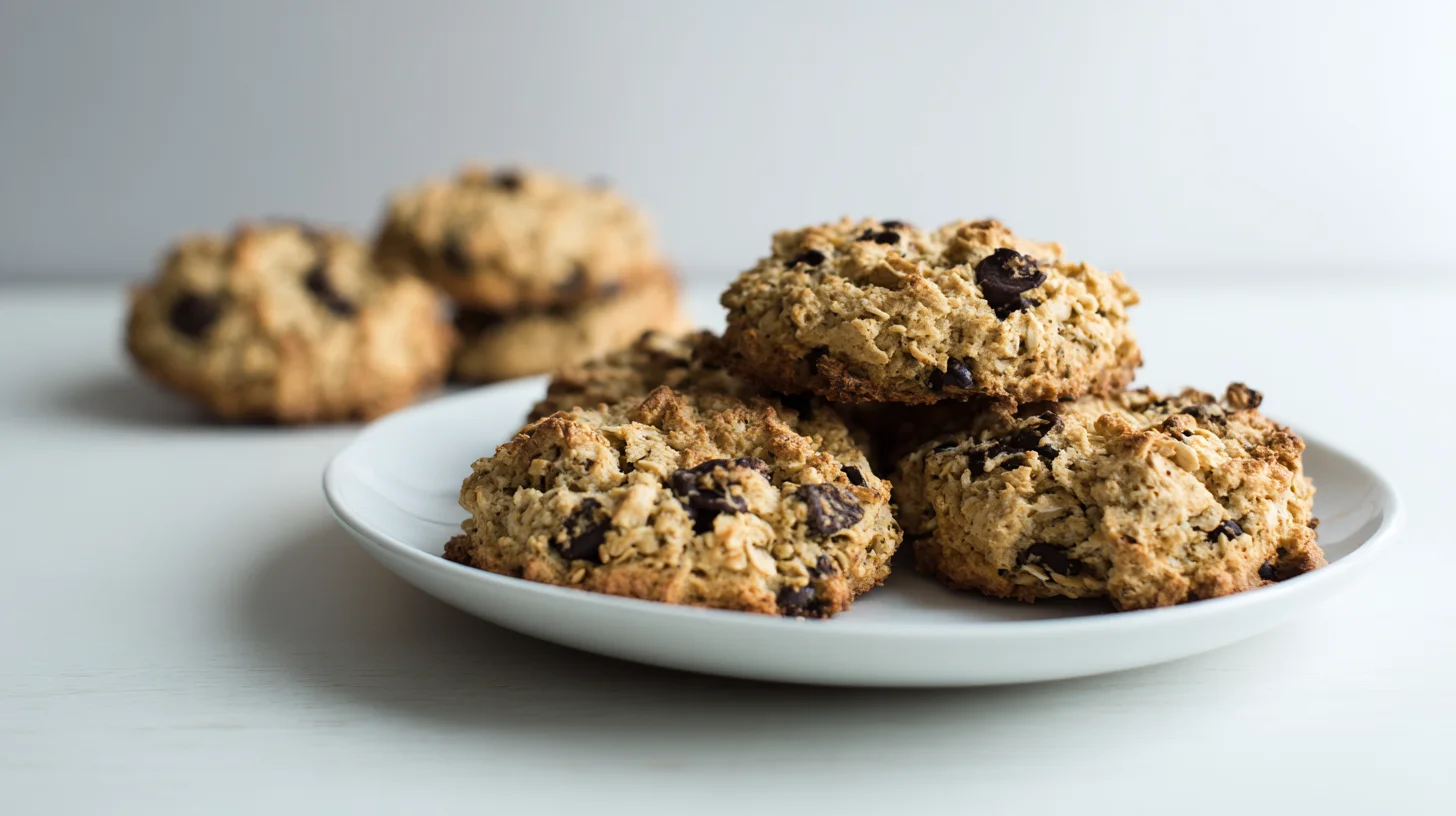
Mornings on a keto diet just got a whole lot easier. These keto breakfast cookies are packed with healthy fats, protein, and just the right amount of sweetness to keep you satisfied all morning long. They’re perfect for busy weekdays when you need to grab breakfast on the go, or even as a quick snack between meals.
I started making these cookies when I realized I was getting tired of the same old eggs and bacon routine. Don’t get me wrong, I love a good breakfast scramble, but sometimes you just want something different. Therefore, I experimented with almond flour, coconut, and a few other low-carb staples to create these delicious cookies. Now, they’re a weekly staple in my house.
What I love most about these keto breakfast cookies is how versatile they are. You can customize them with your favorite mix-ins, make a big batch on Sunday, and have breakfast ready for the entire week. In addition, they freeze beautifully, so you can always have a stash ready whenever hunger strikes.
Why You’ll Love This Recipe
- Ready in just 25 minutes from start to finish
- Only 3g net carbs per cookie
- Packed with 6g of protein to keep you full
- Perfect for meal prep and freezer-friendly
- No weird ingredients or complicated techniques
Your New Favorite Grab-and-Go Breakfast

Keto Breakfast Cookies
12
servings10
minutes15
minutes180
kcalThese soft and satisfying keto breakfast cookies are loaded with almond flour, coconut, and just a touch of sweetness. They’re perfect for busy mornings when you need a quick, portable breakfast that keeps you full for hours.
Ingredients
2 cups almond flour
0.5 cup unsweetened shredded coconut
0.25 cup granulated erythritol
1 teaspoon baking powder
1 teaspoon ground cinnamon
0.25 teaspoon sea salt
2 large eggs
0.25 cup unsalted butter
0.25 cup almond butter
1 teaspoon vanilla extract
0.25 cup chopped pecans
2 tablespoons sugar-free chocolate chips
Directions
- Preheat your oven to 350°F and line a large baking sheet with parchment paper or a silicone baking mat.
- Combine the dry ingredients in a large mixing bowl. Add the almond flour, shredded coconut, erythritol, baking powder, cinnamon, and salt. Whisk everything together until well combined.
- Mix the wet ingredients in a separate medium bowl. Crack in the eggs and whisk them lightly. Add the melted butter, almond butter, and vanilla extract. Stir until smooth and creamy.
- Pour the wet mixture into the bowl with the dry ingredients. Use a wooden spoon or rubber spatula to fold everything together until just combined. Don’t overmix.
- Fold in any optional add-ins like chopped pecans or chocolate chips if you’re using them.
- Scoop the dough onto the prepared baking sheet using a cookie scoop or spoon, making about 12 cookies. Leave about two inches between each cookie.
Notes
- Store cookies in an airtight container at room temperature for up to 3 days, in the refrigerator for up to a week, or freeze for up to 3 months.
- Make sure your almond butter doesn’t contain added sugar or oils. Natural almond butter works best.
- For crispier cookies, bake for an extra 2-3 minutes. For softer cookies, remove them from the oven when the edges just start to turn golden.
- These cookies taste even better the next day after the flavors have had time to meld together.
Nutrition Facts
- Serving Size: 1g
- Total number of serves: 12
- Calories: 180kcal
- Fat: 15g
- Carbohydrates: 6g
- Fiber: 3g
- Protein: 6g
Like this recipe?
Follow @easyketodessert on Pinterest
Tips for Perfect Keto Breakfast Cookies Every Time
Making these cookies is incredibly straightforward, but a few simple tricks will help you get the best results every time. First, let me share some tips I’ve learned through countless batches of testing. These small adjustments make a big difference in texture and flavor.
Use Room Temperature Ingredients
Cold eggs and nut butter don’t mix well together. As a result, you’ll end up with lumpy batter that doesn’t spread evenly. Take your eggs out of the fridge about 30 minutes before baking. However, if you forget, simply place them in a bowl of warm water for five minutes.
Don’t Overmix the Dough
Once you add the dry ingredients to the wet, mix just until everything is combined. Overmixing develops too much structure in almond flour, which can make your cookies dense and tough. For example, I use a wooden spoon and fold gently until I no longer see dry spots. This keeps them tender and crumbly in the best way possible.
Flatten the Cookies Before Baking
Unlike traditional cookies, these won’t spread much in the oven. Therefore, you need to shape them before baking. I use the bottom of a glass or my palm to gently press each cookie down to about half an inch thick. This ensures they bake evenly and get those lovely golden edges.
Watch Your Baking Time Carefully
Almond flour cookies can go from perfectly golden to burnt pretty quickly. Start checking at the 12-minute mark, even if the recipe says 15 minutes. You want the edges to be lightly golden and the centers to look just set. They’ll firm up as they cool, so don’t wait for them to look completely done.
Store Them Properly for Best Texture
These cookies stay fresh at room temperature for about three days in an airtight container. For longer storage, keep them in the refrigerator for up to a week. I love using these glass meal prep containers because they keep the cookies from getting soggy. You can also freeze them for up to three months.
Consider Food Safety With Eggs
Since these cookies contain eggs, it’s important to handle them safely. Always use fresh eggs and store baked cookies properly. For more information about egg safety, check out the FDA’s guidelines on proper egg handling. This ensures your breakfast treats are both delicious and safe to eat.
Fun Ways to Customize Your Cookies
One of my favorite things about this recipe is how easy it is to change up the flavors. You can make a different variation every week and never get bored. In addition, these swaps let you use whatever ingredients you already have in your pantry.
Chocolate Chip Version
Fold in half a cup of sugar-free chocolate chips for a sweeter treat. I recommend using these stevia-sweetened chocolate chips because they don’t add any extra carbs. They melt beautifully and give you that classic cookie experience. This variation tastes similar to traditional oatmeal cookies with chocolate, but without all the carbs.
Berry Blast Breakfast Cookies
Add a quarter cup of freeze-dried blueberries or strawberries for a fruity twist. Freeze-dried berries work better than fresh because they don’t add extra moisture. However, if you love fresh blueberries, try making these keto blueberry muffins instead. They’re another great breakfast option.
Nutty Cinnamon Cookies
Swap the vanilla extract for almond extract and add an extra teaspoon of cinnamon. Then fold in some chopped pecans or walnuts for extra crunch. This combination reminds me of coffee cake, making it perfect for pairing with your morning coffee.
Make Them Dairy-Free
Replace the butter with coconut oil for a dairy-free version. The texture will be slightly different but still delicious. In addition, make sure your chocolate chips are dairy-free if you’re adding those. The cookies will have a subtle coconut flavor that pairs beautifully with the other ingredients.
Pumpkin Spice Variation
Add two tablespoons of pumpkin puree and a teaspoon of pumpkin pie spice. You might need to bake them for an extra minute or two because of the added moisture. This variation is perfect for fall mornings when you want something cozy and warming.
Try Different Sweeteners
While I prefer erythritol for its clean taste, you can use monk fruit sweetener or allulose instead. Each sweetener behaves slightly differently, so your cookies might be a bit softer or crispier. However, they’ll all taste great as long as you use a granulated form that measures like sugar.
Understanding the Nutrition in Your Breakfast
Each cookie contains approximately 180 calories, which makes them a satisfying breakfast option. The majority of those calories come from healthy fats, which is exactly what you want on a ketogenic diet. These fats come primarily from almond flour and butter, both excellent sources of energy.
With 15 grams of fat per cookie, you’re getting a good dose of satiating nutrients. In addition, almond flour provides vitamin E and other beneficial compounds that support overall health. The protein content sits at 6 grams per cookie, which helps keep you full until lunch.
The net carb count is where these cookies really shine. With only 3 grams of net carbs per cookie, they fit easily into most keto meal plans. Total carbs come in at 6 grams, with 3 grams of fiber offsetting half of that. Therefore, you can enjoy two cookies for breakfast and still stay well within your daily carb limit.
The minimal sugar content comes entirely from natural sources in the ingredients. We’re not adding any actual sugar, which keeps your blood glucose stable throughout the morning. As a result, you won’t experience that mid-morning energy crash that comes from traditional breakfast cookies. If you’re looking for other low-carb breakfast options, these simple keto bagels are another great choice for busy mornings.
Your Breakfast Cookie Questions Answered
Over the years, I’ve received tons of questions about making breakfast cookies on a keto diet. Below, I’ve answered the most common ones to help you get perfect results every single time. If you have a question that isn’t covered here, feel free to leave a comment and I’ll get back to you as soon as possible.
Can I make these keto breakfast cookies ahead of time?
Absolutely! These cookies are perfect for meal prep. Bake a batch on Sunday and store them in an airtight container. They’ll stay fresh at room temperature for three days, in the refrigerator for a week, or in the freezer for up to three months. Just thaw frozen cookies overnight in the fridge or at room temperature for about 30 minutes.
Can I substitute coconut flour for almond flour?
Coconut flour absorbs much more liquid than almond flour, so you cannot substitute it one-to-one. If you want to use coconut flour, you’ll need only about one-third the amount of almond flour called for, plus additional eggs to maintain the right texture. However, I recommend sticking with almond flour for best results with this particular recipe.
Why are my cookies too crumbly?
Crumbly cookies usually mean the dough was too dry. This can happen if you packed your almond flour too tightly when measuring, or if your eggs were too small. Try adding an extra tablespoon of melted butter or a teaspoon of water to the dough. Also, make sure you’re pressing the cookies down firmly before baking to help them hold together.
Can I eat these cookies if I’m not doing keto?
Yes! These cookies are delicious whether you’re following a keto diet or not. They’re naturally gluten-free and grain-free, making them suitable for many different dietary preferences. The healthy fats and protein make them more satisfying than traditional breakfast cookies, so anyone can enjoy them.
How should I reheat these breakfast cookies?
You can eat these cookies cold, at room temperature, or warmed up. To reheat, pop one in the microwave for about 15-20 seconds. Alternatively, warm them in a 300°F oven for 5 minutes. I personally love them slightly warm with a pat of butter on top, almost like a biscuit.
What can I use instead of erythritol?
You can substitute monk fruit sweetener, allulose, or any keto-friendly granulated sweetener that measures like sugar. Avoid using liquid sweeteners as they’ll change the texture of the cookies. Each sweetener has a slightly different taste and level of sweetness, so you may need to adjust the amount to your preference.







Leave a Reply