
This post contains affiliate links. As an Amazon Associate, we earn from qualifying purchases. This means we may earn a small commission if you purchase through our links, at no extra cost to you.
There’s something magical about biting into a chewy, sweet cookie that tastes like a tropical vacation. These keto coconut cookies deliver all that coconutty goodness without the sugar crash. They’re crispy on the edges and soft in the center, making them perfect for your afternoon coffee or as a guilt-free treat after dinner.
I first made these when I was craving something simple yet satisfying during my early keto days. I wanted a cookie that didn’t require a dozen ingredients or fancy equipment. The result was these beauties that come together in one bowl with just a handful of pantry staples. They’ve been a staple in my house ever since, especially when friends drop by unexpectedly.
Whether you’re new to low-carb baking or a seasoned pro, these cookies will quickly become your go-to recipe. They’re naturally gluten-free, incredibly forgiving, and taste like you spent hours in the kitchen. Plus, they store beautifully for those moments when you need a quick sweet fix without derailing your macros.

Why You’ll Love This Recipe
- Ready in just 20 minutes from start to finish
- Only 2g net carbs per cookie
- Naturally gluten-free with simple ingredients
- Perfect chewy texture without any grains
- No chilling required before baking
Your New Favorite Low-Carb Cookie Recipe
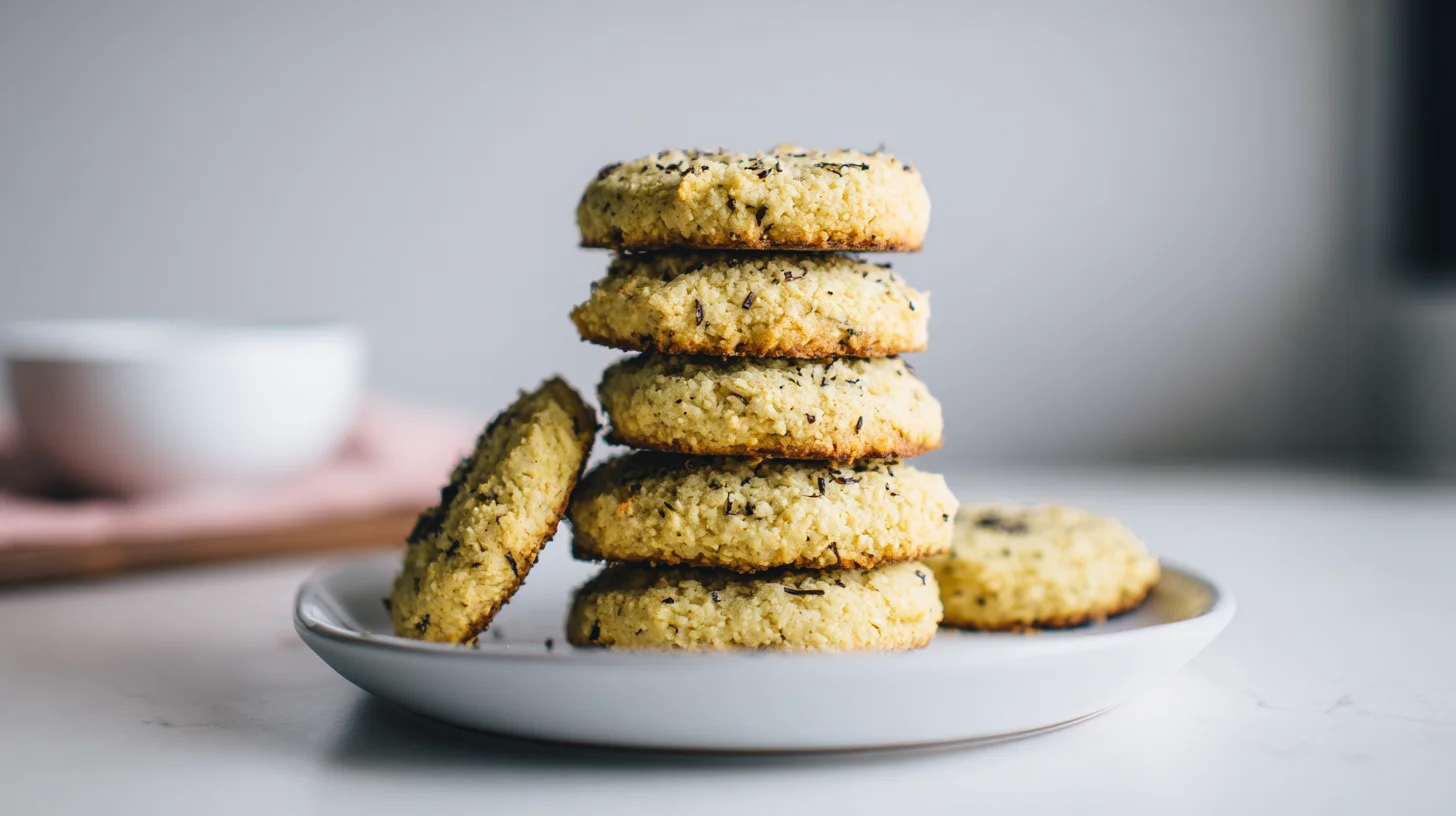
Keto Coconut Cookies
16
servings10
minutes12
minutes110
kcalThese chewy keto coconut cookies are naturally gluten-free and incredibly easy to make. With only 2g net carbs per cookie, they’re the perfect low-carb treat that tastes like a tropical vacation in every bite.
Ingredients
2 cups unsweetened shredded coconut
1 cup almond flour
0.5 cup powdered erythritol
2 large eggs
0.25 cup butter
1 teaspoon vanilla extract
0.5 teaspoon baking powder
0.25 teaspoon sea salt
0.5 teaspoon coconut extract
Directions
- Preheat your oven to 325°F and line a baking sheet with parchment paper.
- Combine the dry ingredients in a large mixing bowl: shredded coconut, almond flour, powdered erythritol, baking powder, and salt.
- Whisk together the wet ingredients in a separate bowl: eggs, melted butter, vanilla extract, and coconut extract if using.
- Pour the wet mixture into the dry ingredients and stir gently with a spatula until just combined. The dough will be slightly sticky.
- Scoop tablespoon-sized portions of dough onto the prepared baking sheet, spacing them about 2 inches apart.
- Flatten each cookie slightly with the back of a spoon or your fingers to help them bake evenly.
Notes
- Make sure your butter is melted but not hot, or it may cook the eggs when mixed.
- These cookies firm up as they cool, so don’t overbake them or they’ll become too crispy.
- Store in an airtight container at room temperature for up to 5 days or freeze for up to 3 months.
- For a dairy-free version, substitute the butter with coconut oil.
- Net carbs are calculated by subtracting fiber and sugar alcohols from total carbs.
Nutrition Facts
- Serving Size: 1g
- Total number of serves: 16
- Calories: 110kcal
- Fat: 8g
- Carbohydrates: 5g
- Fiber: 2g
- Protein: 3g
Like this recipe?
Follow @easyketodessert on Pinterest
Tips For Perfect Keto Coconut Cookies
Making these cookies foolproof is easier than you think. However, a few simple tricks will take them from good to absolutely irresistible. Let me share what I’ve learned through countless batches of testing in my own kitchen.
Choose The Right Coconut
Unsweetened shredded coconut works best for these cookies. Therefore, always check the label to ensure there’s no added sugar hiding in there. Finely shredded coconut creates a more delicate texture, while larger flakes give you more chew. I personally love using organic unsweetened coconut flakes for the perfect balance of texture and flavor.
Don’t Overmix The Dough
Mix your ingredients just until combined. Overmixing can make the cookies tough instead of tender. As a result, I always use a spatula and fold gently rather than stirring vigorously. The dough should look slightly crumbly but hold together when pressed.
Watch Your Baking Time
These cookies go from perfect to overdone quickly. Therefore, set your timer for 10 minutes and check them. They should be golden brown around the edges but still look slightly soft in the center. They’ll firm up as they cool on the baking sheet.
Use Fresh Eggs
Fresh eggs bind these cookies together beautifully. In addition, they add richness without any eggy flavor. Always use room temperature eggs for better incorporation into the dough. For more information on egg safety and freshness, check out this helpful FDA guide.
Pick The Right Sweetener
I recommend using powdered erythritol or monk fruit sweetener for smooth texture. Granulated sweeteners can leave your cookies slightly gritty. My favorite is confectioners-style erythritol blend because it dissolves perfectly. For more details on keto-friendly sweeteners, the FDA provides comprehensive information about various options.
Delicious Ways To Customize Your Cookies
One of my favorite things about this recipe is how versatile it is. You can easily adapt these cookies to match your taste preferences or dietary needs. Furthermore, each variation keeps the carb count impressively low while adding exciting new flavors.
Chocolate Coconut Cookies
Add 2 tablespoons of unsweetened cocoa powder to the dough for rich chocolate flavor. Then, fold in sugar-free chocolate chips for extra decadence. This variation pairs wonderfully with coffee and tastes similar to our popular magic cookies but with a simpler ingredient list.
Almond Coconut Cookies
Replace half the coconut with finely chopped almonds for a nutty twist. In addition, a few drops of almond extract enhance the flavor beautifully. Almonds are packed with healthy fats and nutrients, as explained in this comprehensive nutrition guide. This version reminds me of breakfast cookies but sweeter and more dessert-like.
Lemon Coconut Cookies
Add the zest of one lemon and a teaspoon of lemon extract for bright citrus notes. These taste like sunshine in cookie form. They’re especially refreshing during summer months when you want something light yet satisfying.
Dairy-Free Version
These cookies are naturally dairy-free if you use coconut oil instead of butter. Therefore, they’re perfect for anyone with lactose sensitivities. The coconut oil actually enhances the tropical flavor even more.
Add Some Crunch
Fold in chopped pecans or macadamia nuts for extra texture. You can also try adding sugar-free white chocolate chips for a special treat. Just be mindful that nuts will slightly increase the calorie count per cookie.
Coconut Flour Alternative
If you prefer using coconut flour instead of almond flour, reduce the amount to one-third cup. Coconut flour absorbs much more liquid than almond flour. You may need to add an extra egg to maintain the right consistency. For more coconut flour recipes, check out this savory biscuit recipe that showcases how versatile this ingredient can be.
Understanding The Nutrition Facts
Let’s talk about what makes these cookies such a smart choice for your keto lifestyle. Each cookie contains only 2g net carbs, making them easy to fit into your daily macro goals. With 8g of fat per serving, they provide satisfying energy without spiking your blood sugar.
The protein content sits at 3g per cookie, which comes primarily from the eggs and almond flour. This isn’t a high-protein snack, but it’s enough to keep you satisfied between meals. The total calorie count of 110 per cookie means you can enjoy two or three without guilt.
The fat in these cookies comes from wholesome sources like coconut, eggs, and butter. These are the kinds of fats that keep you full and support ketosis. Furthermore, the fiber content helps slow digestion and keeps your blood sugar stable.
One batch makes 16 cookies, so you can meal prep for the entire week. Store them in an airtight container at room temperature for up to five days. They also freeze beautifully for up to three months, making them perfect for those moments when cookie cravings strike unexpectedly.
Your Questions Answered
Over the years, I’ve received tons of questions about making these cookies. Here are the most common ones that pop up in my inbox. These answers will help you troubleshoot any issues and achieve perfect results every single time.
Can I use coconut flour instead of almond flour?
Yes, but you’ll need to adjust the amount. Use only one-third cup of coconut flour and add an extra egg since coconut flour absorbs much more liquid than almond flour. The texture will be slightly different but still delicious.
How do I store these keto coconut cookies?
Store them in an airtight container at room temperature for up to 5 days. For longer storage, freeze them in a freezer-safe container for up to 3 months. Thaw at room temperature for about 15 minutes before enjoying.
Why are my cookies too dry?
Dry cookies usually mean you’ve added too much flour or baked them too long. Make sure to measure your almond flour by spooning it into the measuring cup rather than scooping. Also, remove the cookies from the oven when they’re still slightly soft in the center.
Can I make these cookies egg-free?
Eggs are essential for binding these cookies together. However, you can try using flax eggs as a substitute. Mix 2 tablespoons of ground flaxseed with 6 tablespoons of water and let sit for 5 minutes. The texture may be slightly different.
What sweetener works best for these cookies?
Powdered erythritol or monk fruit sweetener works best because they dissolve smoothly into the dough. Avoid granulated sweeteners as they can leave a gritty texture. You can also use a blend of erythritol and stevia for a more sugar-like taste.
Can I double this recipe?
Absolutely! This recipe doubles beautifully. Just make sure to use two separate baking sheets or bake in batches to avoid overcrowding. Overcrowded cookies won’t bake evenly and may spread into each other.







Leave a Reply