
- Keto Japanese cotton cheesecake is cloud-like, barely sweet, and only 3g net carbs per slice.
- Whipped egg whites folded into cream cheese batter create the light, jiggly texture without a crust.
- Key techniques: weigh ingredients, sift flours, use a water bath, avoid opening oven, and chill fully.
- Flexible variations include matcha, citrus, dairy-free swaps, powdered erythritol or monk fruit sweeteners.
The first time I tried a Japanese cotton cheesecake, I was blown away by how different it was from the dense New York-style slices I grew up with. Cloud-like, barely sweet, and impossibly light, it felt like cheesecake and soufflé had a beautiful baby. When I went keto, I was convinced that kind of magic was off the table. Spoiler: it’s not. This keto Japanese cotton cheesecake has all the jiggly, melt-in-your-mouth goodness of the original, with zero sugar and only 3g net carbs per slice.
The secret is whipped egg whites folded into a silky cream cheese batter, no almond flour crust, no heavy filling, just pure airy perfection. It’s the kind of low carb cheesecake that impresses at dinner parties and tastes like you spent hours on it, even though the process is way more beginner-friendly than it looks. If you’ve been craving a keto dessert recipe that feels truly special, this is it.
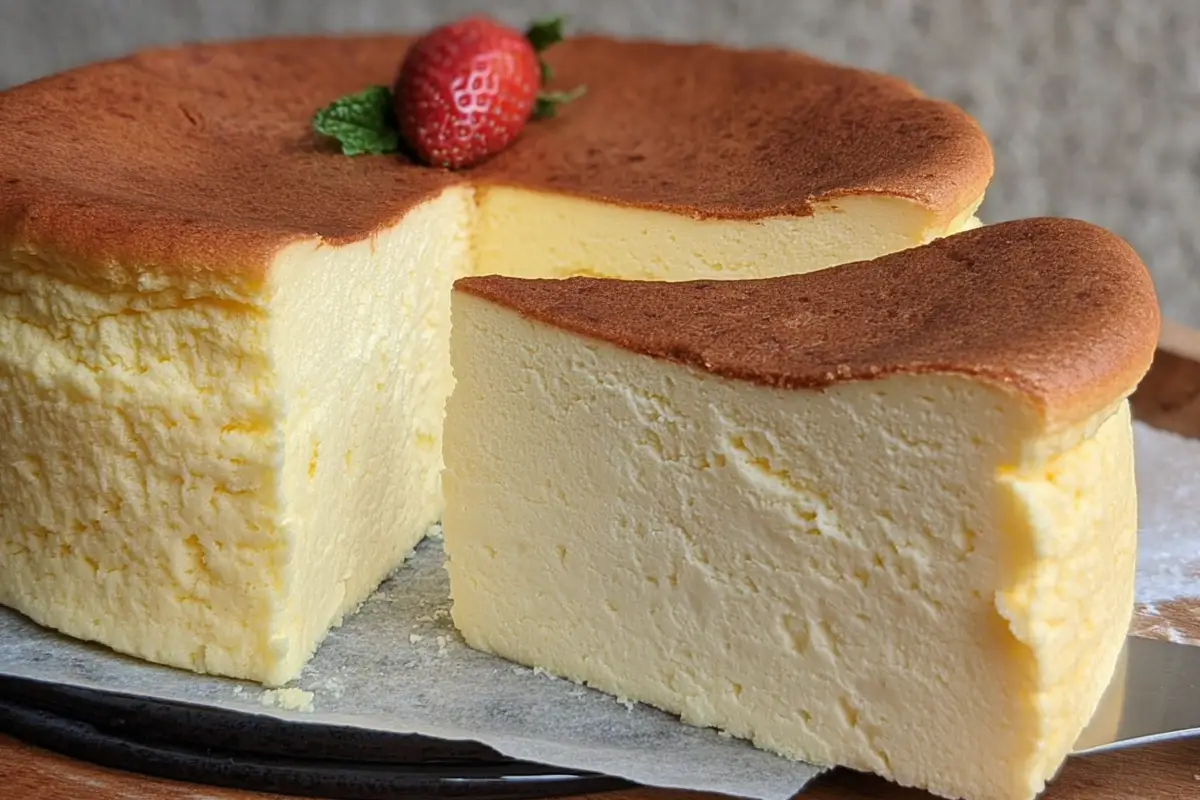
Table of Contents
At a Glance
- Only 3g net carbs per slice, dessert without the guilt
- Light, jiggly, and cloud-like texture, nothing like a typical dense cheesecake
- Made with simple ingredients you can find at any grocery store
- Gluten-free and sugar-free, keto-friendly from top to bottom
- Beginner-friendly, step-by-step instructions that actually make sense
Let’s Make This Keto Japanese Cotton Cheesecake
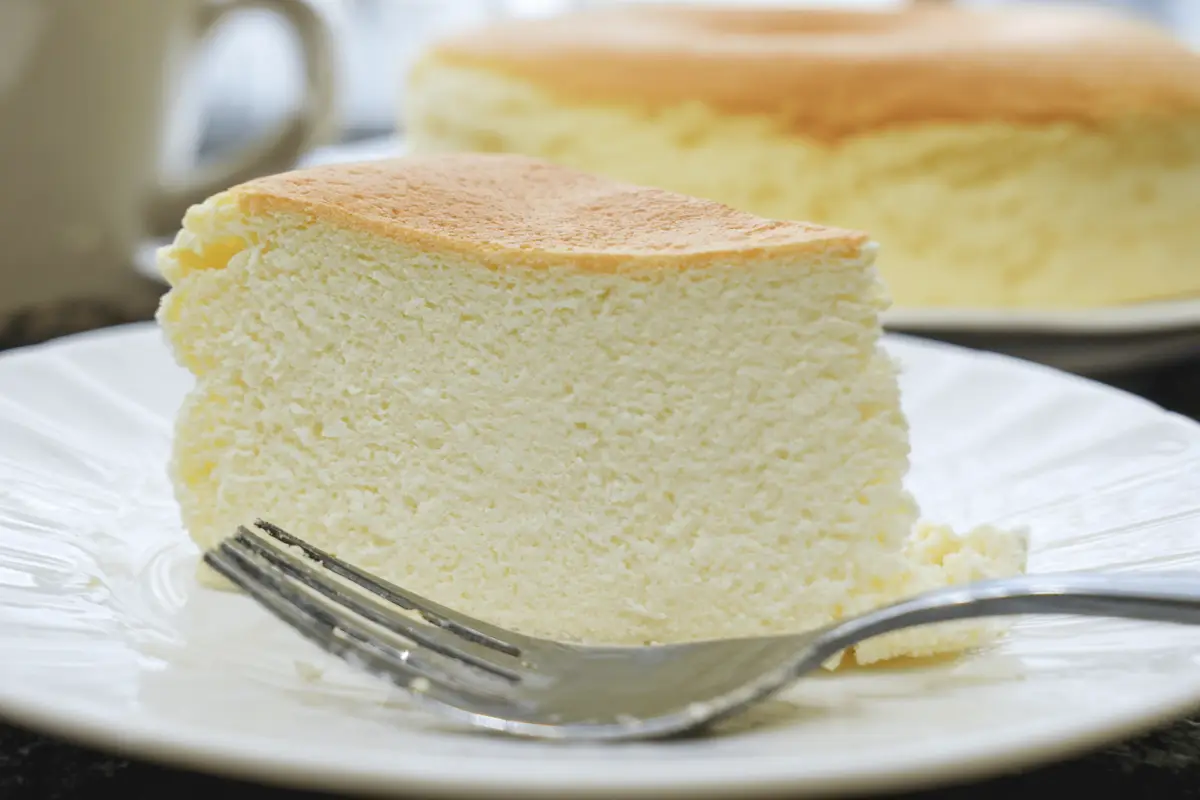
Keto Japanese Cotton Cheesecake
8
servings20
minutes5
minutes180
kcalThis keto Japanese cotton cheesecake is everything you want in a keto dessert recipe, silky, airy, and just sweet enough to feel indulgent without going overboard. It’s made with a handful of simple ingredients, whipped into a light-as-air batter that bakes up golden, jiggly, and absolutely gorgeous. Fair warning: nobody will believe it’s sugar-free.
Ingredients
8 oz cream cheese, softened to room temperature
3 tbsp unsalted butter
0.25 cup heavy cream
4 large eggs, separated and at room temperature
0.25 cup powdered erythritol or monk fruit sweetener (for the yolk mixture)
2 tbsp powdered erythritol or monk fruit sweetener (for the meringue)
2 tbsp almond flour, sifted
1 tbsp coconut flour, sifted
1 tsp pure vanilla extract
1 tsp fresh lemon juice
0.25 tsp cream of tartar
Directions
- Start by preheating your oven to 320°F. While it heats up, line the bottom and sides of a 7-inch round springform pan with parchment paper and give the sides a light greasing. Fill a large roasting pan or baking dish with about an inch of hot water and set it on the lower rack of your oven, this is your water bath, and it’s the key to that signature soft, jiggly texture.
- Now for the cream cheese base. Set a heatproof bowl over a pot of barely simmering water (don’t let the bowl touch the water) and add the cream cheese, butter, and heavy cream. Stir gently until everything melts together into a smooth, silky mixture. Once it’s fully combined, take it off the heat and let it cool for a few minutes, you don’t want it too hot when you add the egg yolks.
- Once the mixture has cooled slightly, whisk in the egg yolks one at a time, making sure each one is fully incorporated before adding the next. Stir in the vanilla extract and lemon juice, then sift in the almond flour and coconut flour and whisk until the batter is completely smooth and lump-free. Set this aside.
- In a separate large, clean bowl, beat the egg whites with the cream of tartar using a hand or stand mixer on medium speed until the mixture looks foamy. Gradually add the 2 tablespoons of powdered sweetener and increase to high speed, continuing to beat until stiff peaks form. You’ll know it’s ready when the whites hold their shape and look glossy. Don’t over-beat, you want stiff but not dry.
- Now comes the most important part: folding. Add about a third of the meringue to your cream cheese batter and gently fold it in using a spatula with a light, sweeping motion. This first addition helps lighten the batter. Then fold in the remaining meringue in two more additions, going slowly and carefully to keep as much air in the batter as possible. The finished batter should look pale, airy, and slightly wobbly.
- Pour the batter into your prepared springform pan and gently tap it on the counter once or twice to release any large air bubbles. Place the pan in the water bath in the oven. Bake at 320°F for 25 minutes, then reduce the temperature to 300°F and bake for another 30 minutes. The top should be lightly golden and the center should have a gentle jiggle.
- When the time is up, turn the oven off but leave the cheesecake inside with the door cracked open about an inch. Let it rest there for 15 minutes, this gradual cooldown prevents the top from cracking or collapsing. Then remove it from the oven and let it cool completely on a wire rack before refrigerating for at least 2 hours. Slice it cold, dust with a little powdered erythritol if you like, and try not to eat the whole thing in one sitting.
Notes
- Room temperature is non-negotiable. Cold cream cheese will leave lumps in your batter no matter how hard you stir. Pull your cream cheese and eggs out of the fridge at least 30 minutes before you start.
- Don’t skip the water bath. It keeps the oven environment moist and gentle, which is exactly what this delicate cheesecake needs to bake evenly without cracking or drying out.
- Your bowl must be spotless for the meringue. Even a tiny trace of grease or egg yolk will prevent your egg whites from whipping up properly. Wipe the bowl and beaters with a little lemon juice or white vinegar before you start.
- Fold, don’t stir. This is worth repeating. Stirring will knock all the air out of your meringue and you’ll end up with a flat, dense cake. Use a gentle folding motion and take your time.
- The jiggle is a good sign. If the center wobbles like Jell-O when you gently shake the pan, that’s exactly right. It will firm up as it cools.
- This cheesecake keeps well. Store covered in the refrigerator for up to 4 days. It actually tastes even better on day two once everything has had time to set fully.
Nutrition Facts
- Total number of serves: 8
- Calories: 180kcal
- Fat: 16g
- Saturated Fat: 9g
- Carbohydrates: 4g
- Fiber: 1g
- Protein: 6g
Like this recipe?
Follow @easyketodessert on Pinterest
Little Tricks That Make a Big Difference
Making a keto Japanese cotton cheesecake for the first time can feel a little intimidating, there are a few more steps than your average keto dessert recipe, and the technique matters more than usual. But don’t let that scare you off. Once you understand what you’re going for and why each step matters, it all clicks. Here are the tips that have saved my cheesecakes more times than I can count.
- Weigh your ingredients if you can. Baking this fluffy cheesecake is more of a science than your average recipe. A kitchen scale makes a real difference, especially with the flours, since even a small amount extra can throw off that delicate, airy texture.
- Sift your flours. Almond flour and coconut flour love to clump. Sifting them before adding to the batter keeps everything lump-free and ensures a smooth, even bake. If you love baking with almond flour, by the way, you’ll also want to try these keto almond flour waffles, they’re just as beginner-friendly and perfect for a low-carb breakfast treat.
- Use a proper bain-marie setup. If your springform pan isn’t fully watertight, wrap the outside tightly in two layers of heavy-duty aluminum foil before placing it in the water bath. A single leak can make the bottom of your cheesecake soggy, and nobody wants that.
- Watch your meringue closely. Stiff peaks are the goal, but overbeaten egg whites will look dry and clumpy and won’t fold in smoothly. Stop the mixer the moment the peaks hold their shape and the meringue looks glossy.
- Don’t open the oven door during baking. Temperature drops are the enemy of a jiggly, soufflé-style cheesecake. Keep the oven closed until the very end, and then only crack it slightly during the resting phase.
- Let the chill time do its job. I know it’s hard to wait, but cutting into this low carb cheesecake before it’s fully chilled will give you a soft, underset center. Two hours minimum in the fridge, overnight is even better.
- Run a thin knife around the edge before releasing the springform. This prevents the sides from tearing and keeps your cheesecake looking bakery-perfect when you plate it.
Make It Your Own, Easy Variations to Try
One of the things I love most about this keto Japanese cheesecake is how flexible it is once you’ve got the base recipe down. It’s a blank canvas that works beautifully with small tweaks, whether you’re adjusting for dietary needs, flavor preferences, or just because you’re feeling creative. Here are some of my favorite ways to mix it up.
- Swap the sweetener. This recipe uses powdered erythritol or monk fruit, but both work great. If you find erythritol leaves a slight cooling aftertaste, monk fruit or an erythritol-monk fruit blend is a smoother option. Just make sure whatever you use is powdered, granulated sweeteners won’t dissolve properly into the batter or meringue.
- Make it dairy-free. Replace the cream cheese with a dairy-free cream cheese alternative (Violife and Kite Hill both work well), swap the butter for refined coconut oil, and use full-fat coconut cream instead of heavy cream. The texture will be very slightly different but still wonderfully soft and light.
- Add a citrus twist. Stir a teaspoon of fresh lemon zest or orange zest into the cream cheese base for a bright, fragrant flavor that pairs beautifully with the subtle sweetness of this Japanese-style classic cheesecake.
- Go matcha. Add 1.5 teaspoons of high-quality ceremonial-grade matcha powder to the cream cheese batter for an earthy, slightly bitter flavor that is absolutely stunning against the sweet, airy base. This variation is a total showstopper. And if you’re a fan of bold, rich flavors in your keto baking, you’ll also love these keto cheesecake brownies, fudgy, creamy, and completely irresistible.
- Try a vanilla bean version. Swap the vanilla extract for the seeds of half a vanilla bean. The flecks of vanilla throughout the pale batter look gorgeous and the flavor is noticeably richer and more aromatic.
- Make mini cheesecakes. Divide the batter into a muffin tin lined with parchment cups and reduce the baking time to around 20–25 minutes. These individual portions are adorable, easy to serve at parties, and actually a little easier to get right for first-timers since they bake more evenly.
- Add a berry topping. A small spoonful of sugar-free strawberry or raspberry compote on top of each slice adds a pop of color and a fruity contrast that takes this keto dessert recipe to the next level. Simply simmer fresh or frozen berries with a little sweetener and lemon juice until thickened, then let it cool before spooning over the chilled cheesecake. If you’re looking for more easy keto treats to round out your dessert table, these keto chocolate chip cookies and these keto oatmeal cookies are always a crowd-pleaser alongside a light, airy cheesecake like this one.
What’s Actually in Each Slice?
One of the best things about this keto Japanese cotton cheesecake is that it manages to feel indulgent while keeping the numbers totally in check. Here’s a full breakdown of what you’re getting in each slice, based on the exact ingredients and quantities listed in the recipe above, divided into 8 servings.
| Nutrient | Per Slice (1/8 of cake) |
|---|---|
| Calories | 180 kcal |
| Total Fat | 16g |
| — Saturated Fat | 9g |
| — Unsaturated Fat | 5g |
| — Trans Fat | 0g |
| Cholesterol | 130mg |
| Sodium | 115mg |
| Total Carbohydrates | 4g |
| — Dietary Fiber | 1g |
| — Sugar Alcohols | 0.5g |
| — Sugars | 0.5g |
| Net Carbs | 3g |
| Protein | 6g |
A Quick Note on the Numbers
The net carb count stays beautifully low here because we’re using only 3 tablespoons of almond flour and 1 tablespoon of coconut flour for the entire cake, just enough to give the batter a little structure without loading it with carbs. The sweetener contributes zero net carbs since erythritol and monk fruit are not metabolized by the body the same way sugar is, which is exactly why they’re such staples in low-carb baking. If you want to dig deeper into how sugar alcohols like erythritol are processed by the body, Healthline has a great breakdown that’s well worth the read.
The fat content comes almost entirely from the cream cheese, butter, egg yolks, and heavy cream, all quality sources that keep you full and satisfied on keto. And with 6 grams of protein per slice, this low carb cheesecake pulls a little more weight than your average keto dessert recipe.
Nutritional values are estimates calculated using standard USDA data and may vary slightly depending on the specific brands of cream cheese, sweetener, and flours you use.
Questions You’re Probably Already Thinking About
Why did my keto Japanese cotton cheesecake collapse after baking?
This almost always comes down to the meringue being over or underbeaten, or the cheesecake cooling too quickly. That’s why we leave it in the turned-off oven with the door cracked, sudden temperature changes will cause it to collapse every time.
Can I make this keto Japanese cheesecake ahead of time?
Yes, and it’s actually better the next day. The texture sets more fully overnight and the flavor deepens. Make it up to two days ahead, keep it covered in the fridge, and it’ll be perfect when you’re ready to serve.
What’s the best sweetener to use for a sugar-free cheesecake?
Powdered erythritol or a powdered monk fruit blend are your best options. Just make sure it’s powdered, granulated sweeteners won’t dissolve properly and can leave a gritty texture. If erythritol’s cooling aftertaste bothers you, try allulose instead.
Why does this Japanese-style classic cheesecake use a water bath?
The water bath creates a gentle, humid heat that prevents the cake from baking unevenly or cracking. Without it, you lose that signature soft, jiggly texture entirely. It’s an extra step, but not one you want to skip.
Can I use a different pan size?
A 7-inch pan is the sweet spot, but you can adjust. A 6-inch pan will need 5 to 10 extra minutes, and an 8-inch pan will bake a little faster, so start checking it around the 45-minute mark.
How do I know when the cheesecake is done baking?
The top should be lightly golden and the center should have a gentle, wobbly jiggle — like a soft-set custard. If it jiggles like liquid, it needs more time. Trust the jiggle.
Now Go Make That Cheesecake
That’s everything you need, now the fun part is yours. Don’t stress it too much on your first try, this keto Japanese cotton cheesecake gets easier every time you make it. Once you nail it, you’ll have your very own Japanese style classic cheesecake that’s completely sugar-free and endlessly impressive. Drop a comment below and let me know how it turned out. Happy baking!


Leave a Reply