
- Buttery almond flour crust and silky lemon filling deliver authentic lemon bars without sugar or weird keto aftertaste.
- Only about 3g net carbs and 180 calories per bar, with 17g fat and 4g protein, keto friendly.
- Key tips: use fresh lemon juice, line pan with parchment, cool crust before filling, bake until slight jiggle, chill before cutting.
- Versatile variations include lime bars, different keto sweeteners, coconut or dairy-free crusts, berry swirls, and lemon zest in crust.
- Make ahead friendly: refrigerate up to a week, freeze two months, or chill several hours for cleaner slices and better texture.
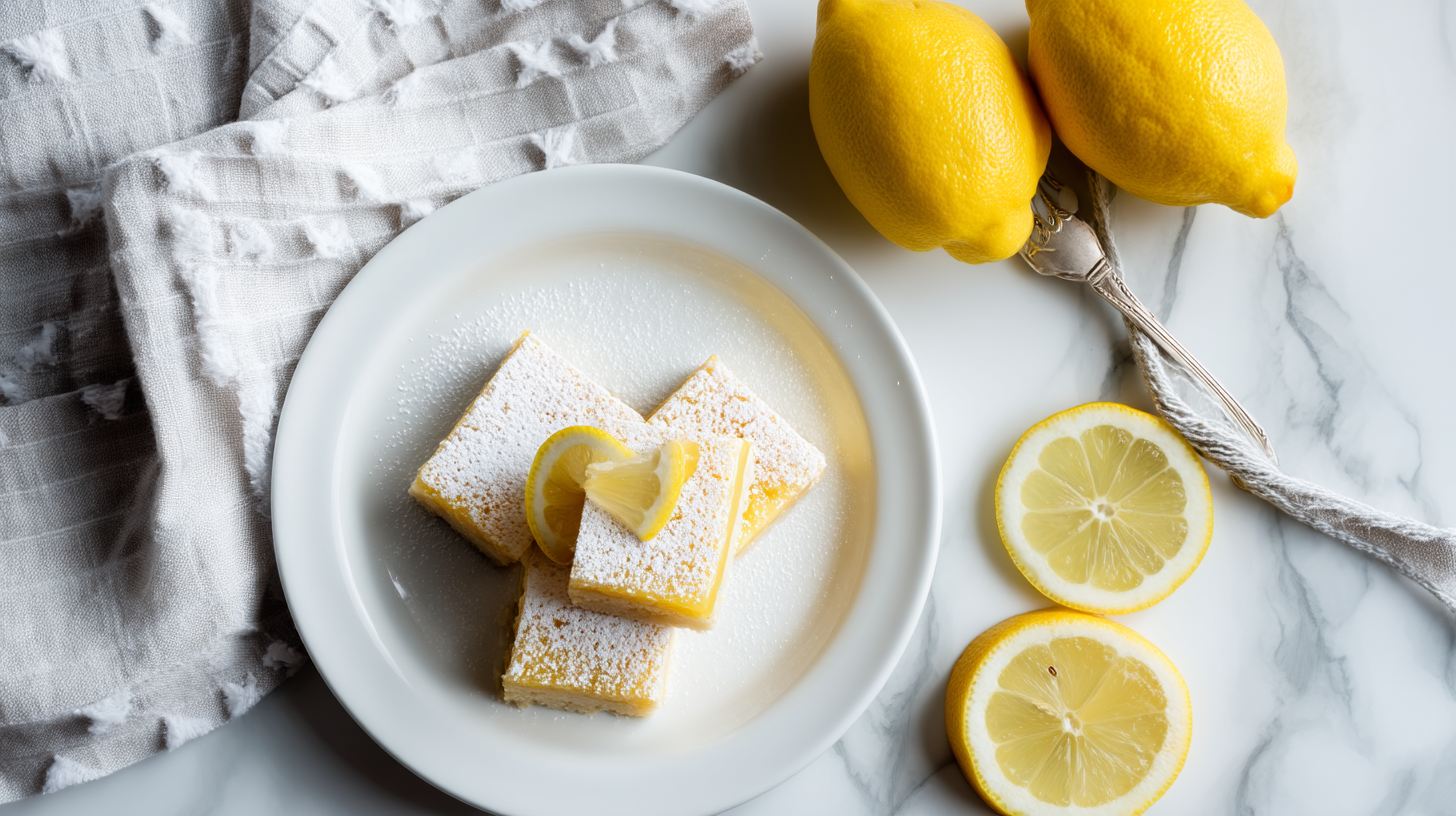
If you’re craving something tangy, sweet, and absolutely irresistible, these keto lemon bars are about to become your new obsession! They’ve got that perfect balance of buttery shortbread crust and silky lemon filling that makes classic lemon bars so addictive, but without all the sugar and carbs. I remember the first time I made these for a summer BBQ—nobody could believe they were sugar-free, and I had friends literally asking for the recipe before they even finished their first square.
What makes these bars so special is how they nail that authentic lemon bar experience without any weird aftertaste or gummy texture that some low-carb desserts can have. The almond flour crust gets perfectly golden and crisp, while the lemon layer sets up beautifully with just the right amount of wobble. They’re fancy enough to serve at a dinner party but easy enough to whip up on a lazy Sunday afternoon when you need something sweet.
These sugar-free lemon bars are absolutely perfect for spring gatherings, Mother’s Day brunch, or anytime you want a refreshing dessert that won’t kick you out of ketosis. Trust me, once you make these, you’ll be keeping a batch in your fridge at all times!
Why You’ll Love This Recipe
- Only 3g net carbs per bar
- No strange keto aftertaste
- Perfect tangy-sweet balance
- Gorgeous presentation for parties
- Stores well in the fridge for up to a week
My Best Tips for Perfect Keto Lemon Bars
The secret to amazing low-carb lemon bars is all in the technique and ingredient quality. I’ve made these dozens of times and learned a few tricks along the way that make all the difference between good and absolutely incredible. Here’s what you need to know to nail them every single time:
- Use fresh lemon juice, not bottled: I know it’s tempting to grab that squeeze bottle, but fresh lemon juice makes such a huge difference in flavor. The brightness and natural tartness just can’t be replicated with the processed stuff.
- Don’t skip the parchment paper: Line your baking pan with parchment that overhangs the edges. This creates little handles that make lifting the bars out so much easier, and you’ll get clean, beautiful cuts every time.
- Let the crust cool completely: I know waiting is hard, but pouring the filling onto a hot crust can make everything soggy. Give it at least 10 minutes to cool down after baking.
- Check for the perfect jiggle: The filling should still have a slight wobble in the center when you take it out. It will continue to set as it cools, and this prevents that dried-out, cracked top.
- Chill before cutting: Cold bars cut so much cleaner than room temperature ones. I like to chill mine for at least 2 hours, and I wipe my knife clean between each cut for those Instagram-worthy slices.
- Dust with powdered sweetener right before serving: If you add it too early, it can dissolve into the bars. That fresh dusting right before serving gives them that classic bakery look.
Ways to Make These Your Own
One of my favorite things about this keto lemon bar recipe is how versatile it is! You can easily customize it based on what you have in your pantry or your personal taste preferences. Here are some variations I’ve tried and loved:
- Lime bars instead: Swap the lemon juice and zest for lime to make keto lime bars. They’re equally delicious and have a slightly more tropical vibe that’s perfect for summer.
- Different sweeteners: While I prefer erythritol or a monk fruit blend, you can use allulose for an even softer texture, or Swerve confectioners for the crust and filling. Just make sure whatever you use measures 1:1 with sugar.
- Coconut flour crust: If you can’t do almonds, you can make the crust with coconut flour instead. Use about 1/2 cup coconut flour in place of the almond flour, but add an extra egg since coconut flour is super absorbent.
- Dairy-free version: Replace the butter with coconut oil or vegan butter, and use full-fat coconut cream in place of heavy cream. The texture will be slightly different but still delicious.
- Add some zest to the crust: Mix a teaspoon of lemon zest into the shortbread crust for an extra punch of citrus flavor throughout.
- Berry swirl: Before baking the filling, drop small spoonfuls of sugar-free raspberry or blueberry puree on top and swirl with a toothpick for a beautiful marbled effect.
Nutrition Breakdown
Let’s talk numbers, because this is where these keto-friendly lemon bars really shine! Each bar comes in at around 180 calories, which is pretty reasonable for a dessert that tastes this indulgent. You’re getting about 17g of fat from the butter, cream, and almond flour—all healthy fats that keep you satisfied and help your body stay in ketosis.
The protein content sits at around 4g per serving, which isn’t huge but definitely contributes to making these more filling than regular lemon bars. Where these really win is in the carb department: only 5g total carbs, and with 2g of fiber from the almond flour, that brings you down to just 3g net carbs per bar. That means you can enjoy a sweet, tangy treat without derailing your macros for the day.
The sugar content is minimal—less than 1g of naturally occurring sugars from the lemon juice and eggs. Everything else is sugar-free sweetener, so you get all that sweetness without the blood sugar spike. These macros make this recipe perfect for anyone following a ketogenic diet, low-carb lifestyle, or even just trying to cut back on sugar without sacrificing dessert.
Your Questions Answered
I get so many questions about making the perfect batch of low-carb lemon bars, so I’ve put together answers to the most common ones. Whether you’re wondering about storage, substitutions, or troubleshooting, I’ve got you covered below!
Can I make these keto lemon bars ahead of time?
Absolutely! These bars actually taste better after they’ve had time to chill and set completely. You can make them up to 3 days in advance and store them covered in the refrigerator. They also freeze beautifully for up to 2 months—just thaw in the fridge overnight before serving.
Why is my lemon filling not setting?
The most common reason is not baking long enough. The filling should still have a slight jiggle in the center when you remove it, but the edges should be set. Also make sure you’re using enough eggs and that your oven temperature is accurate. If it’s still too soft after chilling for 3-4 hours, it needed a few more minutes in the oven.
Can I use bottled lemon juice instead of fresh?
While you technically can, I really don’t recommend it. Fresh lemon juice has a brightness and natural flavor that bottled juice just can’t match. Since lemon is the star of this recipe, using fresh juice makes a huge difference in the final taste. Plus, you’ll need the lemon zest anyway, so you might as well juice them fresh!
What’s the best sweetener for keto lemon bars?
I prefer erythritol or a monk fruit/erythritol blend like Lakanto. These don’t have a cooling aftertaste that some people notice with straight erythritol. Allulose is another great option and creates an even softer texture. Avoid stevia-only sweeteners as they can be too bitter in large amounts and won’t provide the right texture.
How do I get clean cuts when slicing?
The secret is to chill the bars completely—at least 2-3 hours or even overnight. Use a large, sharp knife and wipe it clean with a damp cloth between each cut. The parchment paper sling also helps because you can lift the entire slab out of the pan before cutting, which gives you more control.
Can I make these dairy-free?
Yes! Replace the butter in the crust with coconut oil or vegan butter, and use full-fat coconut cream instead of heavy cream in the filling. The texture will be slightly different—a bit more coconutty and less rich—but they’ll still be delicious. Make sure your coconut cream is well-chilled and mixed smooth before using.
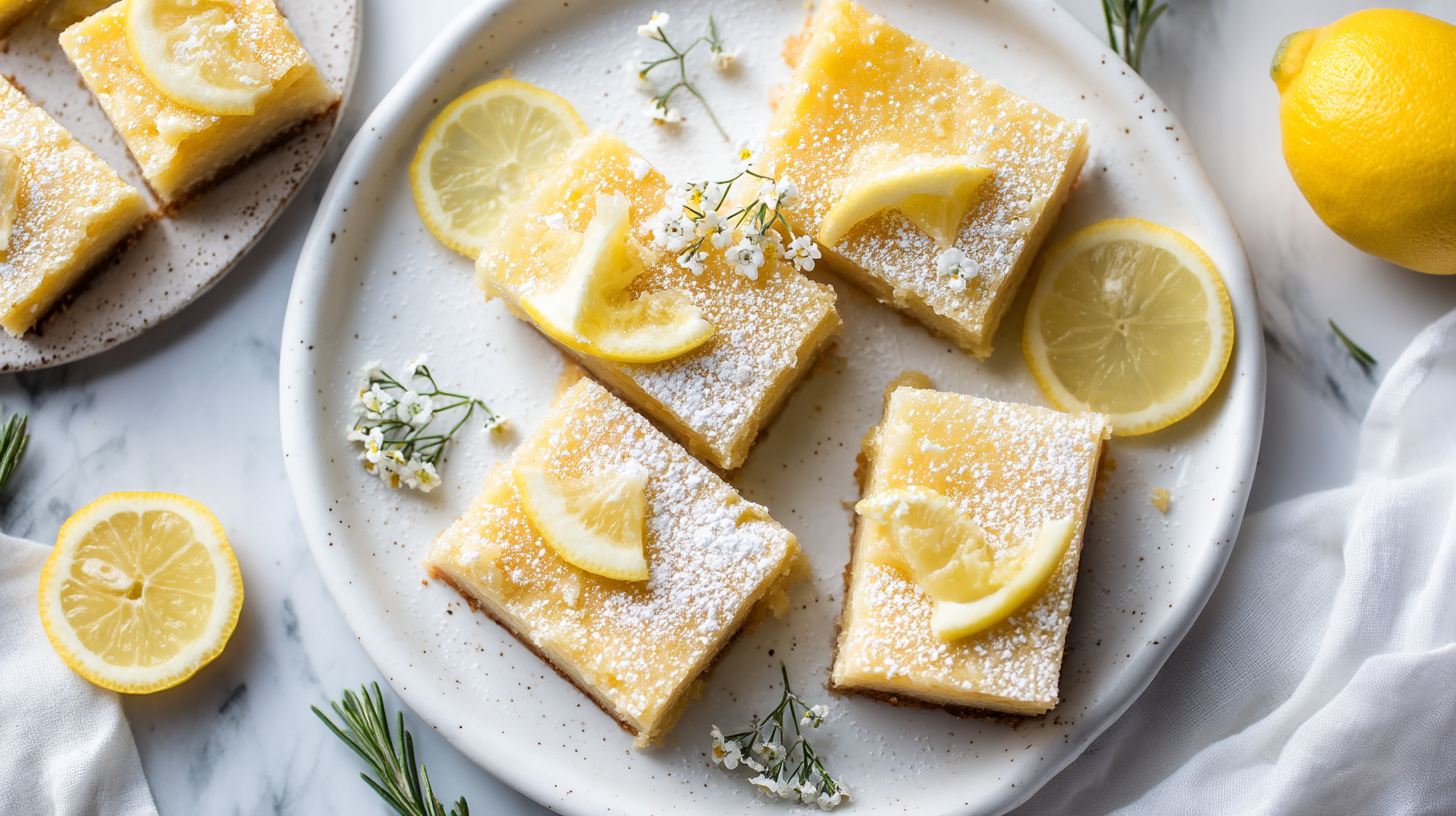
Keto Lemon Bars
16
servings15
minutes45
minutes180
kcalThese keto lemon bars feature a buttery almond flour shortbread crust topped with a tangy, creamy lemon filling. With only 3g net carbs per serving, they’re the perfect sugar-free dessert that tastes just like the classic!
Ingredients
2 cups almond flour
1/3 cup powdered erythritol
1/2 cup butter
1 teaspoon vanilla extract
4 large eggs
2/3 cup powdered erythritol
1/2 cup fresh lemon juice
2 tablespoons lemon zest
Directions
- Preheat your oven to 350°F and line an 8×8-inch baking pan with parchment paper, leaving some overhang on the sides to create handles for easy removal later.
- Make the crust by combining 2 cups almond flour, 1/3 cup powdered erythritol, melted butter, and vanilla extract in a medium bowl. Mix until it forms a crumbly dough that holds together when pressed.
- Press the crust mixture firmly and evenly into the bottom of your prepared pan, making sure to get it into the corners and create an even layer.
- Bake the crust for 12-15 minutes until it’s lightly golden around the edges. Remove from the oven and let it cool for about 10 minutes while you prepare the filling. Keep the oven on.
- Whisk together the eggs and 2/3 cup powdered erythritol in a large bowl until smooth and well combined, about 1 minute.
- Add the fresh lemon juice, lemon zest, heavy cream, 3 tablespoons almond flour, and salt to the egg mixture. Whisk until everything is completely smooth with no lumps.
Notes
- Make sure your eggs are at room temperature for the smoothest filling. Set them out 30 minutes before starting or place them in warm water for 5 minutes.
- Don’t overbake the filling—it will continue to set as it cools. A slight jiggle in the center is perfect.
- For the cleanest cuts, chill the bars overnight and use a large sharp knife dipped in hot water and wiped dry between each slice.
- These bars freeze beautifully! Wrap individual bars in plastic wrap and store in a freezer bag for up to 2 months. Thaw in the refrigerator before serving.
- If you prefer a sweeter bar, you can increase the sweetener in the filling by 2-3 tablespoons, but I find the tanginess is what makes them special.
Nutrition Facts
- Serving Size: 1g
- Total number of serves: 16
- Calories: 180kcal
- Fat: 17g
- Carbohydrates: 5g
- Fiber: 2g
- Protein: 4g
Like this recipe?
Follow @easyketodessert on Pinterest




Leave a Reply