
This post contains affiliate links. As an Amazon Associate, we earn from qualifying purchases. This means we may earn a small commission if you purchase through our links, at no extra cost to you.
If you’re searching for a lighter, fluffier twist on traditional cheesecake, this keto ricotta cheesecake recipe is about to become your new favorite dessert. Instead of relying solely on cream cheese, we’re using creamy ricotta to create an incredibly smooth texture that melts in your mouth. The result is a delicate, airy cheesecake that feels indulgent without the carb overload.
I first tried ricotta cheesecake at a little Italian bakery in Boston, and I was hooked immediately. The texture was completely different from the dense New York-style cheesecakes I grew up with. It was lighter, almost cloud-like, with a subtle sweetness that didn’t overwhelm. When I started my keto journey, I knew I had to recreate that magic using low-carb ingredients.
This dessert is perfect for special occasions, holiday dinners, or when you simply want to impress your guests with something elegant. However, it’s also beginner-friendly enough that you don’t need to be a pastry chef to pull it off. Therefore, whether you’re hosting a dinner party or treating yourself after a long week, this cheesecake delivers every single time.
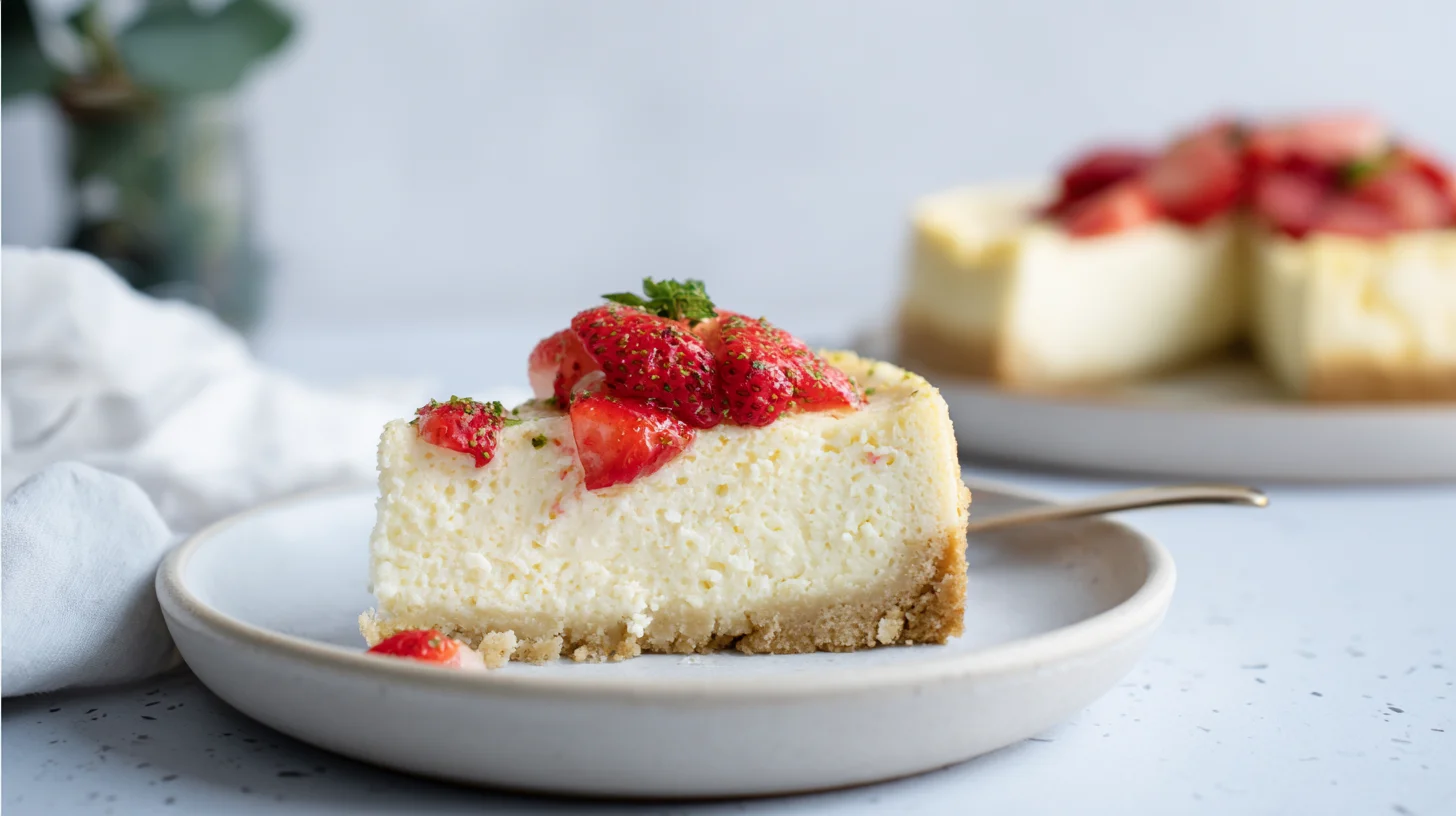
Why You’ll Love This Recipe
- Only 4g net carbs per slice
- Lighter and fluffier than traditional cheesecake
- Uses simple ingredients you probably already have
- Perfect for special occasions and holidays
- Tastes even better after chilling overnight
Your New Go-To Italian-Style Keto Cheesecake
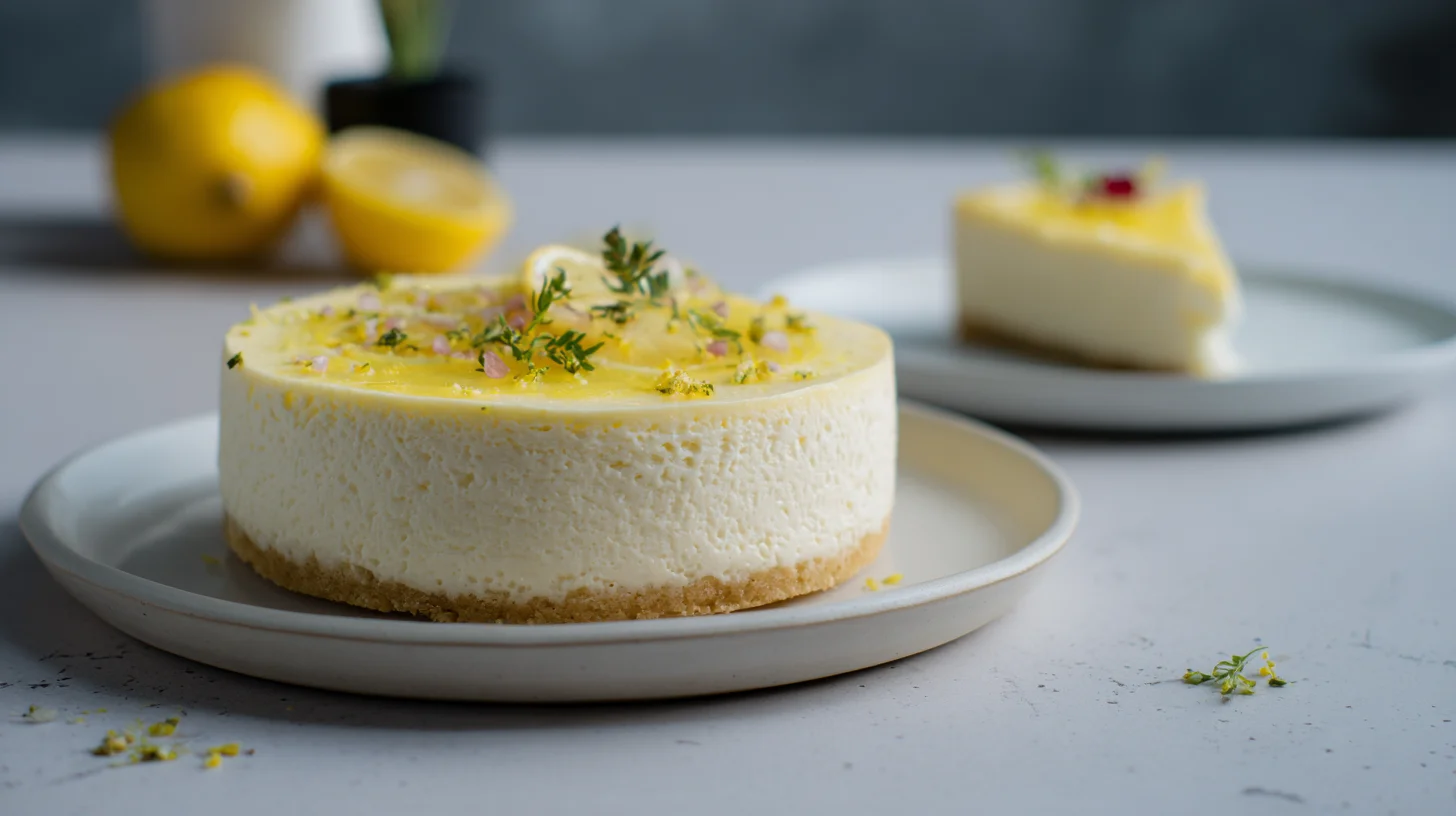
Keto Ricotta Cheesecake
12
servings20
minutes1
hour320
kcalThis keto ricotta cheesecake is lighter and fluffier than traditional cheesecake, with a delicate Italian-inspired texture. Made with whole milk ricotta and cream cheese, it’s perfectly sweetened and has only 4g net carbs per slice.
Ingredients
2 cups almond flour
4 tablespoons butter
2 tablespoons powdered erythritol
16 ounces whole milk ricotta cheese
8 ounces cream cheese
3/4 cup powdered erythritol
4 large eggs
1 teaspoon vanilla extract
1 tablespoon lemon zest
2 tablespoons heavy cream
1/4 teaspoon salt
1 tablespoon lemon juice
Directions
- Preheat your oven to 325 degrees Fahrenheit and wrap the outside of a 9-inch springform pan tightly with aluminum foil to prevent leaks.
- Make the crust by combining almond flour, melted butter, and 2 tablespoons powdered erythritol in a bowl until it resembles wet sand.
- Press the crust mixture firmly into the bottom of the prepared springform pan and bake for 10 minutes until lightly golden, then set aside to cool.
- Beat the cream cheese and ricotta together in a large bowl with an electric mixer on medium speed until smooth and creamy, about 2 minutes.
- Add the sweetener, salt, and vanilla extract to the cheese mixture and beat until well combined and fluffy.
- Add the eggs one at a time on low speed, mixing just until each egg is incorporated before adding the next one to avoid overmixing.
Notes
- Make sure all dairy ingredients are at room temperature for the smoothest texture.
- Drain the ricotta in a fine-mesh strainer for 30 minutes before using to remove excess moisture.
- The cheesecake tastes even better the next day after the flavors have had time to meld.
- Store covered in the refrigerator for up to 5 days or freeze individual slices for up to 2 months.
- If cracks appear, simply cover them with whipped cream or fresh berries before serving.
Nutrition Facts
- Serving Size: 1g
- Total number of serves: 12
- Calories: 320kcal
- Fat: 28g
- Carbohydrates: 7g
- Fiber: 3g
- Protein: 12g
Like this recipe?
Follow @easyketodessert on Pinterest
Expert Tips for the Perfect Keto Ricotta Cheesecake Recipe
Making a flawless ricotta cheesecake requires a few insider tricks. First, let’s talk about texture and technique. Then, we’ll cover ingredient selection and baking methods. As a result, you’ll avoid common pitfalls and create a cheesecake that rivals any bakery version.
Choose the Right Ricotta
Not all ricotta cheese is created equal. Whole milk ricotta creates the richest, creamiest texture for your cheesecake. In addition, make sure to drain any excess liquid before using it. Simply place the ricotta in a fine-mesh strainer for 30 minutes. This prevents your cheesecake from becoming watery or grainy.
Room Temperature Ingredients Are Essential
This tip cannot be overstated. Cold ingredients don’t blend smoothly and can create lumps in your batter. Therefore, take your eggs, ricotta, and cream cheese out of the fridge at least one hour before baking. Room temperature ingredients also incorporate more air, resulting in a lighter texture. For more tips on achieving perfect texture, check out this fluffy Japanese cotton cheesecake.
Master the Water Bath Method
A water bath prevents cracks and ensures even baking. Wrap your springform pan tightly in aluminum foil to prevent leaks. Then, place it in a larger roasting pan filled with hot water halfway up the sides. The steam creates a gentle, moist environment that keeps your cheesecake smooth and creamy. However, if you prefer to skip this step entirely, try a no-bake keto cheesecake instead.
Don’t Overmix the Batter
Once you add the eggs, mix on low speed only until just combined. Overmixing incorporates too much air, which can cause cracks as the cheesecake cools. In addition, excessive mixing can create a dense, heavy texture instead of the light, airy consistency we’re aiming for. Mix gently and stop as soon as you see no more streaks.
Cool Slowly to Prevent Cracks
Sudden temperature changes cause cracks in cheesecakes. After baking, turn off the oven and crack the door open slightly. Let the cheesecake cool inside for one hour. Then, remove it and let it reach room temperature before refrigerating. This gradual cooling process prevents the surface from cracking. According to FDA egg safety guidelines, proper cooling and storage are essential for desserts containing eggs.
Use Quality Sweetener
The sweetener you choose dramatically affects the final taste. Powdered erythritol blends smoothly without grittiness. For best results, I recommend using powdered monk fruit sweetener for a clean, sugar-like taste. Avoid liquid sweeteners in this recipe as they can alter the texture and make the cheesecake too moist.
Delicious Ways to Customize Your Cheesecake
One of the best things about this recipe is how versatile it is. You can easily adapt it to suit your taste preferences or dietary needs. Furthermore, these variations keep the recipe exciting so you never get bored. Let’s explore some creative twists on this classic dessert.
Lemon Ricotta Cheesecake
Add the zest of two lemons and two tablespoons of fresh lemon juice to the batter. This creates a bright, refreshing flavor that’s perfect for spring and summer. The citrus notes complement the creamy ricotta beautifully. In addition, the acidity helps balance the sweetness for a more sophisticated dessert.
Chocolate Swirl Version
Melt sugar-free dark chocolate and swirl it through the batter before baking. Use a butter knife to create elegant marble patterns. For an even richer chocolate experience, try incorporating techniques from this decadent brownie cheesecake. The combination of chocolate and ricotta is absolutely divine.
Berry Topped Delight
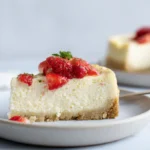
Fresh berries make a stunning and delicious topping. Arrange raspberries, blueberries, or sliced strawberries on top after the cheesecake has fully chilled. You can also make a quick berry compote by heating berries with a little sweetener. This adds natural sweetness and beautiful color without many extra carbs.
Almond Flour Crust Alternative
While this recipe uses a simple almond flour crust, you can experiment with different nut flours. Try using finely ground hazelnut flour for a nutty, sophisticated flavor. Pecan flour also works wonderfully and adds a buttery richness. Just keep the proportions the same as the original crust recipe.
Dairy-Free Adaptation
Making this recipe dairy-free requires some substitutions but it’s definitely possible. Use dairy-free cream cheese and substitute the ricotta with cashew cream or dairy-free ricotta. However, keep in mind that the texture will be slightly different. The flavor remains delicious, though the signature lightness may vary slightly.
Vanilla Bean Upgrade
Replace vanilla extract with the seeds from one whole vanilla bean. Simply split the bean lengthwise and scrape out the seeds. This elevates the flavor profile dramatically and adds beautiful black specks throughout the cheesecake. It’s a small change that makes a big impression on your guests.
Understanding the Nutrition in Every Slice
Let’s break down the nutritional benefits of this keto-friendly dessert. Each slice contains approximately 320 calories, making it a reasonable indulgence for your low-carb lifestyle. The fat content sits at around 28 grams per serving, which comes primarily from the ricotta, cream cheese, and almond flour crust.
Protein content is impressive at 12 grams per slice. This makes the cheesecake more satisfying than many other desserts. Furthermore, the protein helps stabilize blood sugar and keeps you feeling full longer. The total carbohydrate count is 7 grams, with 3 grams of fiber, bringing net carbs to just 4 grams per serving.
The beauty of ricotta cheese is that it’s naturally lower in fat than cream cheese while still providing that creamy texture. According to cheesecake history, traditional versions can contain over 50 grams of carbs per slice. Therefore, this keto version saves you significant carbs without sacrificing taste or texture.
The eggs in this recipe provide additional protein and essential nutrients like choline and vitamin D. In addition, they help create the custard-like texture that makes cheesecake so irresistible. For safe egg handling practices, refer to USDA egg safety guidelines.
The almond flour crust adds healthy fats and keeps the base low in carbs. Almonds are rich in vitamin E, magnesium, and heart-healthy monounsaturated fats. As a result, this crust is not only delicious but also nutritionally superior to traditional graham cracker crusts.
Common Questions About Keto Ricotta Cheesecake
Making cheesecake for the first time can raise lots of questions. Below, I’ve answered the most common concerns people have about this recipe. These tips will help you troubleshoot issues and achieve perfect results every time.
Can I use part-skim ricotta instead of whole milk ricotta?
Yes, you can use part-skim ricotta, but the cheesecake will be slightly less creamy and rich. Whole milk ricotta provides the best texture and flavor. However, part-skim works well if you’re watching your calorie intake more closely.
Why did my cheesecake crack on top?
Cracks usually occur from sudden temperature changes or overbaking. Make sure to use a water bath and cool the cheesecake gradually in the oven with the door cracked. Also, avoid overmixing the batter, which can incorporate too much air.
How long does keto ricotta cheesecake last in the fridge?
Properly stored in an airtight container, this cheesecake lasts up to 5 days in the refrigerator. In fact, it often tastes better after a day or two as the flavors meld together. You can also freeze individual slices for up to 2 months.
Can I make this cheesecake without a springform pan?
While a springform pan makes removal easier, you can use a regular cake pan lined with parchment paper. Just make sure to leave extra parchment hanging over the sides so you can lift the cheesecake out easily once it’s fully chilled.
What’s the best sweetener for keto cheesecake?
Powdered erythritol or powdered monk fruit sweetener work best because they dissolve smoothly without grittiness. Avoid granulated sweeteners as they can create a grainy texture. Liquid sweeteners can make the cheesecake too moist.
Do I have to use a water bath?
A water bath isn’t absolutely required, but it significantly reduces the risk of cracks and ensures even baking. If you skip it, lower the oven temperature by 25 degrees and watch carefully to avoid overbaking the edges.


Leave a Reply