
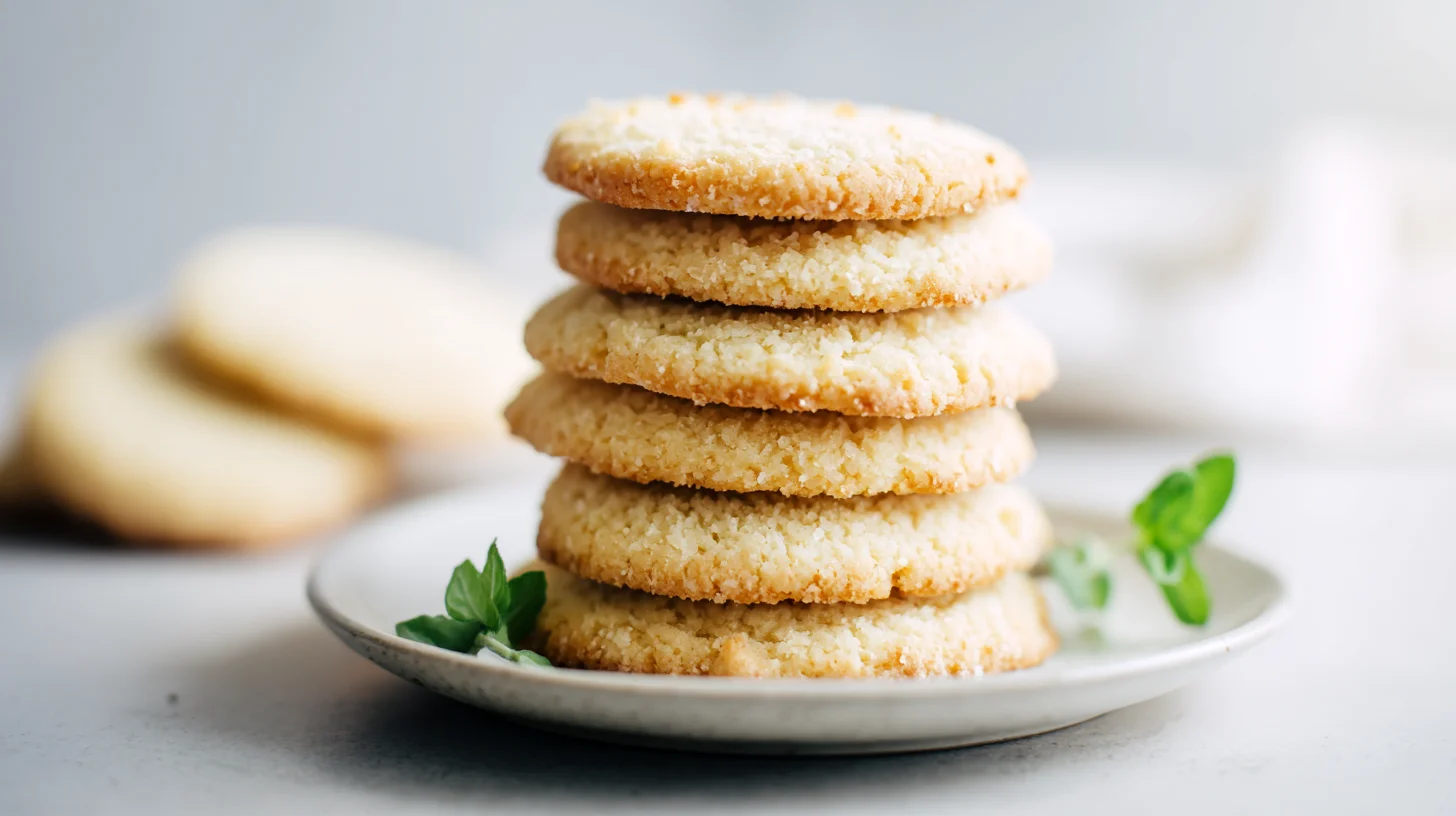
There’s something magical about a classic butter cookie that just melts in your mouth. These keto butter cookies bring all that buttery, crumbly goodness to your low-carb lifestyle without compromise. They’re perfect for afternoon tea, holiday cookie exchanges, or simply when you need a sweet treat that won’t kick you out of ketosis.
I still remember the first time I made traditional butter cookies with my grandmother. The kitchen smelled incredible, and we’d sneak warm cookies straight from the oven. Now, I’ve recreated that same experience with a keto-friendly twist. These cookies deliver that same tender texture and rich flavor, but with only a fraction of the carbs.
What I love most about this recipe is its simplicity. You probably have all the ingredients in your pantry right now. In addition, these cookies are incredibly versatile. You can shape them, press them with a fork, or even pipe them into fancy designs. They’re beginner-friendly and foolproof, making them ideal for anyone new to keto baking.
Why You’ll Love This Recipe
- Ready in just 20 minutes from start to finish
- Only 1.5g net carbs per cookie
- Requires just 6 simple ingredients
- Buttery, melt-in-your-mouth texture
- Perfect for cookie swaps and gift-giving
Let’s Make These Buttery Keto Cookies
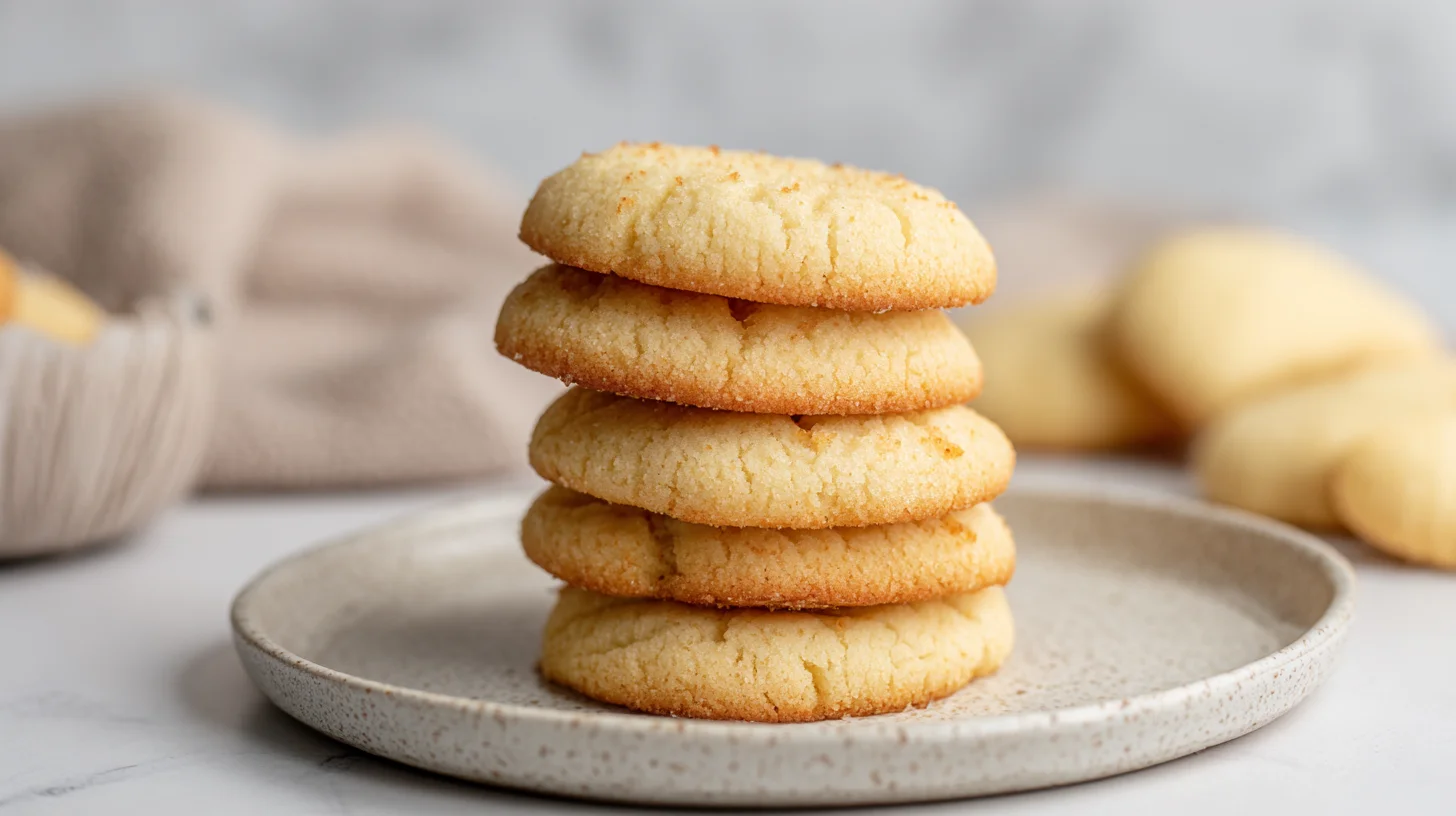
Keto Butter Cookies
24
servings10
minutes12
minutes85
kcalThese classic keto butter cookies are tender, buttery, and melt in your mouth. With only 1.5g net carbs per cookie, they’re the perfect low-carb treat for any occasion.
Ingredients
1 cup unsalted butter
0.5 cup powdered erythritol
1 large egg
1 teaspoon vanilla extract
2.5 cups blanched almond flour
0.25 teaspoon salt
0.5 teaspoon xanthan gum
1 tablespoon heavy cream
Directions
- Preheat your oven to 350°F (175°C) and line two baking sheets with parchment paper.
- Cream the butter and sweetener together in a large bowl using an electric mixer until light and fluffy, about 2-3 minutes.
- Add the egg and vanilla extract to the butter mixture and beat until well combined and smooth.
- Mix the dry ingredients in a separate bowl by whisking together the almond flour, salt, and xanthan gum.
- Gradually add the dry ingredients to the wet ingredients, mixing on low speed until a soft dough forms. Add heavy cream if the dough seems too crumbly.
- Chill the dough in the refrigerator for 30 minutes to make it easier to handle and prevent spreading during baking.
Notes
- The dough can be made ahead and refrigerated for up to 5 days or frozen for up to 3 months.
- For uniform cookies, use a small cookie scoop to portion the dough.
- These cookies will be soft when hot but firm up nicely as they cool.
- Store in an airtight container at room temperature for up to 5 days or freeze for up to 3 months.
Nutrition Facts
- Serving Size: 1 g
- Total number of serves: 24
- Calories: 85kcal
- Fat: 8g
- Carbohydrates: 2.5g
- Fiber: 1g
- Protein: 2g
Like this recipe?
Follow @easyketodessert on Pinterest
My Best Tips for Perfect Keto Butter Cookies
Making these cookies is straightforward, but a few simple tricks will take them from good to absolutely incredible. First, pay attention to your butter temperature. Then, don’t skip the chilling step. Finally, watch them carefully during baking since they brown quickly.
Get Your Butter Temperature Right
Room temperature butter is crucial for proper creaming. It should be soft enough to leave an indent when pressed, but not melting or greasy. Therefore, take your butter out about 30 minutes before baking. If you forget, cut it into small cubes to speed up the softening process.
Choose the Right Sweetener
Powdered sweetener works best in this recipe because it dissolves completely into the dough. I prefer using powdered erythritol sweetener for its clean taste and zero aftertaste. Granulated sweeteners can leave a gritty texture, so avoid them if possible. However, you can make your own powdered version by blending granulated sweetener in a coffee grinder.
Don’t Skip the Chilling Step
Chilling the dough for at least 30 minutes prevents excessive spreading during baking. As a result, your cookies will hold their shape beautifully. If you’re short on time, you can chill the dough in the freezer for 15 minutes instead. This step also makes the dough easier to handle and shape.
Watch the Baking Time Closely
These cookies bake quickly and can go from perfect to overdone in just a minute. They should be barely golden at the edges and still pale in the center when you remove them. They’ll continue cooking on the hot baking sheet, so don’t wait until they’re completely browned. Set a timer and check them at the 10-minute mark.
Use Quality Almond Flour
Finely blanched almond flour creates the best texture for these cookies. Coarse almond meal will make them grainy and crumbly. I recommend using superfine blanched almond flour for bakery-quality results. Store your almond flour in the refrigerator or freezer to keep it fresh and prevent it from going rancid.
Fun Ways to Customize Your Butter Cookies
The beauty of this basic butter cookie recipe is how easily you can transform it into something new. Therefore, I’ve experimented with countless variations over the years. Here are my favorite ways to customize these cookies to suit any occasion or craving.
Add Vanilla or Almond Extract
A teaspoon of vanilla extract adds warmth and depth to the buttery flavor. For something different, try almond extract instead. It pairs beautifully with the almond flour base. You can also use lemon extract for a bright, citrusy twist that’s perfect for spring and summer gatherings.
Create Chocolate Butter Cookies
Replace 2 tablespoons of almond flour with unsweetened cocoa powder for rich chocolate cookies. You might need to add an extra tablespoon of butter since cocoa absorbs moisture. These chocolate versions taste incredible and look elegant at any cookie platter. For an extra treat, drizzle them with sugar-free chocolate after they cool.
Make Lemon Butter Cookies
Add the zest of one lemon to the dough for bright, refreshing cookies. The citrus flavor cuts through the richness beautifully. These tangy lemon cookies are perfect for spring celebrations and tea parties. You can also add a simple lemon glaze made with powdered sweetener and lemon juice.
Try Different Shapes and Designs
Roll the dough into balls and flatten with a fork for classic crosshatch patterns. Alternatively, use small cookie cutters to create fun shapes for holidays. You can also roll the dough into a log, chill it, and slice it into rounds for perfectly uniform cookies. For fancy occasions, pipe the dough through a star tip for bakery-style spritz cookies.
Add Mix-Ins for Texture
Fold in sugar-free chocolate chips, chopped pecans, or unsweetened coconut flakes. However, keep mix-ins to about 1/4 cup to avoid changing the texture too much. Chopped almonds add a delightful crunch, while sugar-free white chocolate chips create an indulgent treat. Just remember that mix-ins will slightly increase the carb count per cookie.
Make Them Dairy-Free
Substitute the butter with coconut oil or vegan butter for a dairy-free version. The texture will be slightly different but still delicious. Use refined coconut oil if you don’t want a coconut flavor. These dairy-free cookies work wonderfully for anyone with lactose intolerance or following a paleo-keto lifestyle.
Create Sandwich Cookies
Make smaller cookies and sandwich them with sugar-free frosting or cream cheese filling. This transforms simple butter cookies into an impressive dessert. You can also use sugar-free jam or nut butter as filling. If you love traditional shortbread cookies, this variation will become a fast favorite.
Understanding the Nutrition in These Cookies
Each cookie contains approximately 85 calories, making them a reasonable treat that fits easily into your daily macros. The fat content comes primarily from butter and almond flour, providing about 8 grams of healthy fats per serving. These fats help keep you satisfied and support ketosis.
With only 1.5 grams of net carbs per cookie, you can enjoy two or three without worrying about your carb limit. The total carbs are around 2.5 grams, with 1 gram coming from fiber. This makes them significantly lower in carbs than traditional butter cookies, which typically contain 8-10 grams of net carbs each.
Each cookie provides about 2 grams of protein from the almond flour and egg. While not a significant protein source, it’s a nice bonus. The cookies contain minimal sugar since we use sugar-free sweeteners. According to the FDA’s guidance on sweeteners, the erythritol we use is safe and doesn’t impact blood sugar levels.
The almond flour base provides additional nutritional benefits beyond just being low-carb. Research shows almonds are nutrient-dense, offering vitamin E, magnesium, and heart-healthy monounsaturated fats. Therefore, these cookies deliver more nutrition than traditional wheat-based versions.
If you’re watching calories, you can make smaller cookies to reduce the calorie count per serving. However, the macros remain well-balanced for keto regardless of size. The high fat content and low carbs make these cookies ideal for maintaining ketosis while satisfying your sweet tooth. For more information about choosing the right sweeteners, check out this helpful FDA guide on sweeteners.
These cookies also work well for anyone following other low-carb approaches beyond strict keto. They fit perfectly into Atkins, low-carb paleo, or general sugar-free diets. The simple ingredient list means you know exactly what you’re eating, with no hidden sugars or questionable additives. Similar to other almond flour-based cookies, these provide sustained energy without the blood sugar spike and crash of regular cookies.
Your Keto Butter Cookie Questions Answered
I’ve received countless questions about making these cookies over the years. Here are the most common concerns and helpful answers to ensure your baking success every single time.
Can I use coconut flour instead of almond flour?
Coconut flour is not a good substitute in this recipe because it absorbs much more moisture than almond flour. If you must use coconut flour, you’ll need to significantly reduce the amount to about 1/3 cup and add extra eggs. However, the texture will be quite different from traditional butter cookies. I recommend sticking with almond flour for the best results.
How should I store these keto butter cookies?
Store the cookies in an airtight container at room temperature for up to 5 days. They’ll stay fresh and crispy if kept sealed. For longer storage, freeze them in a freezer-safe container for up to 3 months. Let frozen cookies thaw at room temperature for about 15 minutes before serving. You can also refrigerate them for up to 2 weeks if you prefer.
Why did my cookies spread too much during baking?
Excessive spreading usually happens when the dough isn’t chilled long enough or the butter was too soft. Make sure to chill the dough for at least 30 minutes before baking. Also check that your oven temperature is accurate, as a too-cool oven can cause spreading. Finally, ensure you’re using finely ground almond flour rather than coarse almond meal.
Can I make the dough ahead of time?
Absolutely! The cookie dough stores beautifully in the refrigerator for up to 5 days. You can also freeze the dough for up to 3 months. Shape it into a log, wrap it tightly in plastic wrap, and freeze. When ready to bake, let it thaw slightly, slice, and bake as directed. You may need to add a minute or two to the baking time if the dough is still cold.
What sweetener works best for keto butter cookies?
Powdered erythritol or powdered monk fruit sweetener work best because they dissolve completely and don’t leave a gritty texture. Avoid liquid sweeteners as they’ll make the dough too wet. If you only have granulated sweetener, pulse it in a blender or coffee grinder until powdered. Allulose also works well but may cause slightly more browning during baking.
Are these cookies suitable for diabetics?
These cookies use sugar-free sweeteners and have minimal impact on blood sugar levels, making them much better than traditional cookies for diabetics. However, everyone’s response to sweeteners varies, so it’s best to test your blood sugar after eating them. Always consult with your healthcare provider about incorporating any new foods into your diabetic meal plan.









Leave a Reply