
This post contains affiliate links. As an Amazon Associate, we earn from qualifying purchases. This means we may earn a small commission if you purchase through our links, at no extra cost to you.
If you’re looking for a simple, buttery cookie that fits perfectly into your low-carb lifestyle, these keto coconut flour cookies are about to become your new favorite treat. They’re soft, chewy, and incredibly satisfying without any of the guilt that comes with traditional sugar-loaded cookies. Plus, they come together in just one bowl with ingredients you probably already have in your pantry.
I remember the first time I baked with coconut flour—I was skeptical. However, once I figured out the right ratios, I realized it makes the most amazing tender cookies with a subtle sweetness. These cookies are perfect for afternoon snacking, lunchbox treats, or even a quick breakfast on busy mornings. They’re also naturally gluten-free, which makes them great for anyone with dietary restrictions.
Whether you’re brand new to keto baking or you’ve been at it for years, this recipe is foolproof. Therefore, grab your mixing bowl and let’s get baking!

Why You’ll Love This Recipe
- Ready in just 20 minutes from start to finish
- Only 2g net carbs per cookie
- Soft, chewy texture that rivals traditional cookies
- One-bowl recipe with minimal cleanup
- Naturally gluten-free and grain-free
Your New Go-To Low-Carb Cookie Recipe
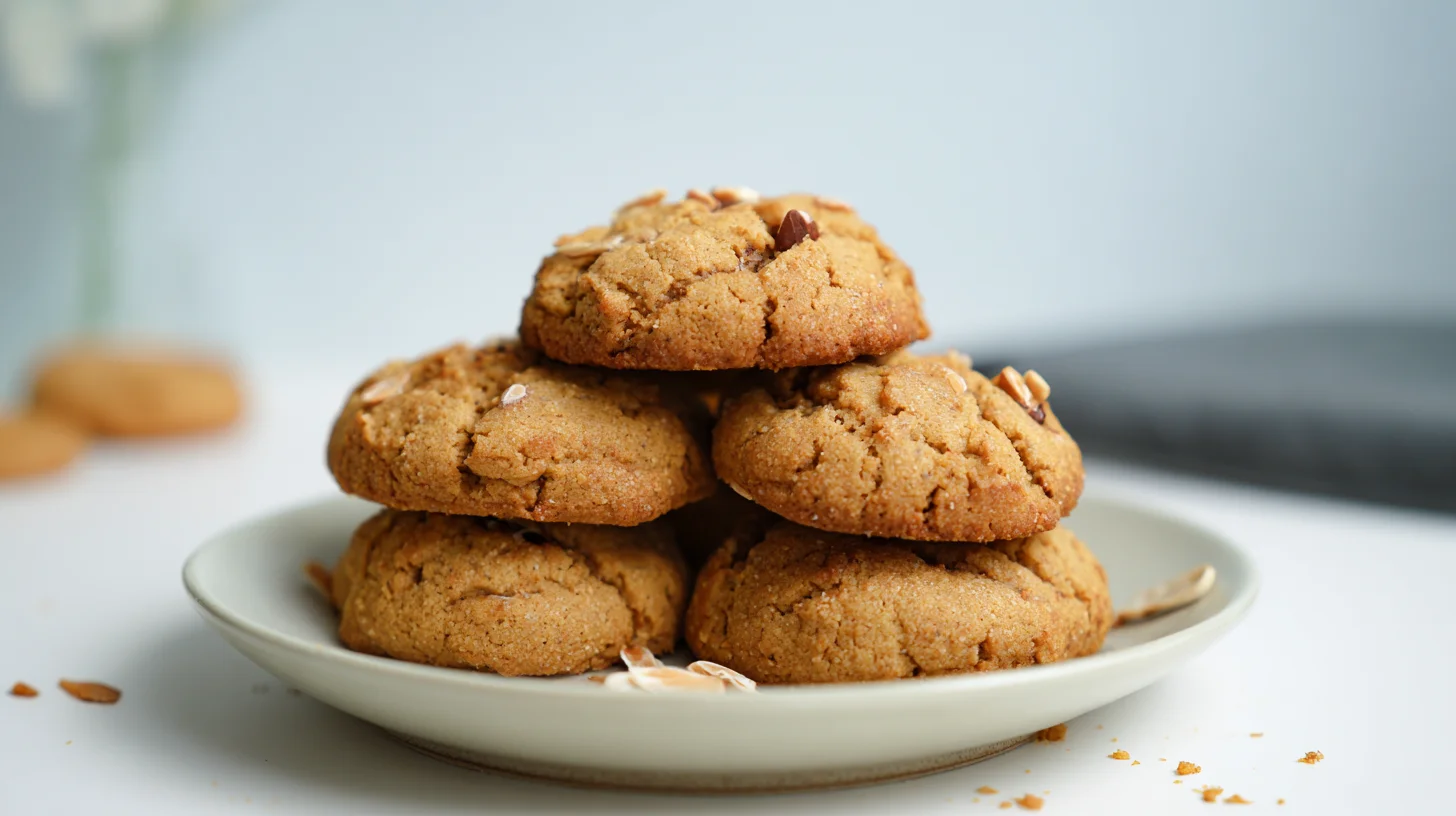
Keto Coconut Flour Cookies
16
servings10
minutes12
minutes95
kcalThese soft and chewy keto coconut flour cookies are perfectly sweetened and incredibly easy to make. With only 2g net carbs per cookie, they’re the ideal low-carb treat that doesn’t compromise on taste or texture.
Ingredients
0.5 cup coconut flour
0.5 cup powdered erythritol
0.5 cup butter
3 large eggs
1 teaspoon vanilla extract
0.5 teaspoon baking powder
0.25 teaspoon salt
2 tablespoons unsweetened shredded coconut
Directions
- Preheat your oven to 350°F and line a baking sheet with parchment paper or a silicone baking mat.
- Cream together the softened butter and powdered sweetener in a large mixing bowl until light and fluffy, about 2 minutes.
- Add the eggs one at a time, beating well after each addition, then stir in the vanilla extract.
- Sift in the coconut flour, baking powder, and salt, then mix until a thick dough forms with no lumps remaining.
- Let the dough rest for 5 minutes to allow the coconut flour to fully absorb the moisture.
- Scoop tablespoon-sized portions of dough and roll them into balls, then place them on the prepared baking sheet about 2 inches apart.
Notes
- Make sure to use finely ground coconut flour for the best texture. Coarse coconut flour can make the cookies gritty.
- Don’t skip the resting time—it’s essential for proper texture and prevents gummy cookies.
- These cookies will firm up as they cool, so don’t overbake them or they’ll become dry.
- Store in an airtight container at room temperature for up to 5 days, or freeze for up to 3 months.
Nutrition Facts
- Serving Size: 1 g
- Total number of serves: 16
- Calories: 95kcal
- Fat: 8g
- Carbohydrates: 4g
- Fiber: 2g
- Protein: 2g
Like this recipe?
Follow @easyketodessert on Pinterest
Tips for Perfect Keto Coconut Flour Cookies
Baking with coconut flour can be a bit different from almond flour or traditional wheat flour. However, once you understand a few key techniques, you’ll nail these cookies every single time. Here are my top tips for success.
Measure Your Coconut Flour Carefully
Coconut flour is incredibly absorbent, so precision matters. Always spoon it into your measuring cup and level it off with a knife. Never pack it down or scoop directly from the bag. Too much coconut flour will make your cookies dry and crumbly instead of soft and chewy.
Let the Dough Rest
After mixing your dough, let it sit for about 5 minutes. This allows the coconut flour to fully absorb the moisture from the eggs and butter. As a result, your cookies will have a better texture and won’t spread too thin during baking. If you skip this step, the cookies might turn out dense or gummy.
Don’t Overbake Them
These cookies continue to firm up as they cool. Therefore, take them out when the edges are just set and the centers still look slightly soft. They’ll finish cooking on the baking sheet. Overbaking will make them hard and dry, so set a timer and watch them closely during the last few minutes.
Use Room Temperature Ingredients
Cold eggs and butter don’t mix as smoothly, which can result in lumpy dough. Let your eggs and butter sit at room temperature for about 30 minutes before you start baking. This simple step ensures everything blends together beautifully. For more tips on safe egg handling practices, check out the FDA guidelines.
Choose Quality Sweeteners
Not all keto sweeteners behave the same way in baking. I recommend using powdered erythritol or monk fruit blend for the smoothest texture. Granulated sweeteners can leave a slightly gritty feel. You can learn more about FDA-approved sweetener options if you’re exploring alternatives.
Delicious Ways to Customize Your Cookies
One of the best things about this recipe is how versatile it is. You can easily adapt these keto coconut flour cookies to match your taste preferences or whatever you have on hand. Here are some of my favorite variations.
Chocolate Chip Version
Fold in a half cup of sugar-free chocolate chips right before baking. This turns your simple cookies into an indulgent chocolate chip treat. Make sure to use high-quality keto-friendly chips that won’t spike your blood sugar. For more chocolate inspiration, check out these keto magic cookies with chocolate.
Add Nuts or Seeds
Chopped pecans, walnuts, or sliced almonds add wonderful crunch and healthy fats. Stir in about a third of a cup before shaping your dough. You can also try sunflower seeds or pumpkin seeds for a nut-free option. This adds extra texture and makes each bite more interesting.
Make Them Dairy-Free
Swap the butter for coconut oil or ghee to make these cookies completely dairy-free. The texture will be slightly different but still delicious. Use refined coconut oil if you don’t want a strong coconut flavor. This simple swap makes the recipe suitable for those with lactose intolerance.
Spice It Up
Add a teaspoon of cinnamon, a pinch of nutmeg, or even some pumpkin pie spice for a warm, cozy flavor. These spices pair beautifully with the natural sweetness of coconut flour. You can also try adding a quarter teaspoon of cardamom for something unique and aromatic.
Lemon or Orange Zest
For a bright, citrusy twist, add the zest of one lemon or orange to your dough. This creates a refreshing flavor that’s perfect for spring and summer. The citrus oils complement the buttery richness beautifully. If you love breakfast treats, you might also enjoy these keto breakfast cookies.
Coconut Flakes for Extra Texture
Stir in a quarter cup of unsweetened shredded coconut for more coconut flavor and a chewier texture. This also adds a bit of visual appeal with little flecks throughout. Toast the coconut first for an even deeper flavor profile.
Understanding the Nutrition in Your Cookies
Let’s talk about what makes these cookies so keto-friendly. Each cookie contains only 2g net carbs, which is calculated by subtracting fiber from total carbohydrates. This low carb count makes them perfect for staying in ketosis while still enjoying something sweet.
With 8g of fat per cookie, you’re getting a good dose of satiating healthy fats that help keep you full. The butter provides both flavor and energy. In addition, each cookie has about 2g of protein from the eggs and coconut flour, which helps with muscle maintenance and recovery.
At approximately 95 calories per cookie, these treats are portion-controlled and won’t derail your daily macros. The fiber content from coconut flour also supports digestive health. Coconut flour is naturally high in fiber, which is why it’s so absorbent and requires less volume than other flours.
These cookies contain zero sugar, thanks to the keto-friendly sweetener. However, they still taste pleasantly sweet without any bitter aftertaste. The natural flavor of coconut flour adds a subtle sweetness on its own. For another coconut flour recipe, try these savory keto biscuits.
If you’re tracking macros closely, I recommend using a reliable kitchen scale to weigh your portions. This ensures accuracy and helps you stay on track with your goals. Remember that nutrition can vary slightly based on the specific brands you use.
Your Questions About Keto Coconut Flour Cookies Answered
I get so many questions about baking with coconut flour, so I’ve gathered the most common ones here. These answers will help you troubleshoot any issues and achieve perfect cookies every time.
Can I substitute almond flour for coconut flour in this recipe?
No, you cannot substitute almond flour for coconut flour in a 1:1 ratio. Coconut flour is much more absorbent than almond flour, so you would need about 3-4 times more almond flour. This would completely change the recipe. If you want to use almond flour, I recommend finding a recipe specifically designed for it.
Why are my coconut flour cookies dry and crumbly?
Dry, crumbly cookies usually mean you used too much coconut flour or didn’t add enough liquid or fat. Make sure you’re measuring your coconut flour correctly by spooning it into the measuring cup and leveling it off. Also ensure your eggs are large size and your butter is properly measured. Letting the dough rest for 5 minutes before baking also helps.
How should I store these keto cookies?
Store your keto coconut flour cookies in an airtight container at room temperature for up to 5 days. You can also refrigerate them for up to 2 weeks if you prefer a firmer texture. For longer storage, freeze them in a freezer-safe container for up to 3 months. Thaw at room temperature before eating.
Can I make the dough ahead of time?
Yes, you can prepare the cookie dough ahead of time and refrigerate it for up to 2 days before baking. The dough may firm up in the fridge, so let it sit at room temperature for about 10 minutes before shaping. You can also freeze shaped cookie dough balls for up to 3 months and bake them directly from frozen, adding 2-3 extra minutes to the baking time.
What can I use instead of eggs in this recipe?
Eggs are crucial in coconut flour recipes because they provide structure and moisture. However, you can try using flax eggs as a substitute. Mix 3 tablespoons of ground flaxseed with 9 tablespoons of water and let it sit for 5 minutes to thicken. The texture may be slightly different, but it should work. Chia eggs are another option using the same ratio.
Why do my cookies spread too much during baking?
If your cookies spread too much, your dough might be too warm or too wet. Make sure you let the dough rest for 5 minutes so the coconut flour can absorb the moisture. If the dough seems too soft, refrigerate it for 15-20 minutes before shaping. Also ensure your oven is fully preheated to 350°F before baking.










Leave a Reply