
This post contains affiliate links. As an Amazon Associate, we earn from qualifying purchases. This means we may earn a small commission if you purchase through our links, at no extra cost to you.
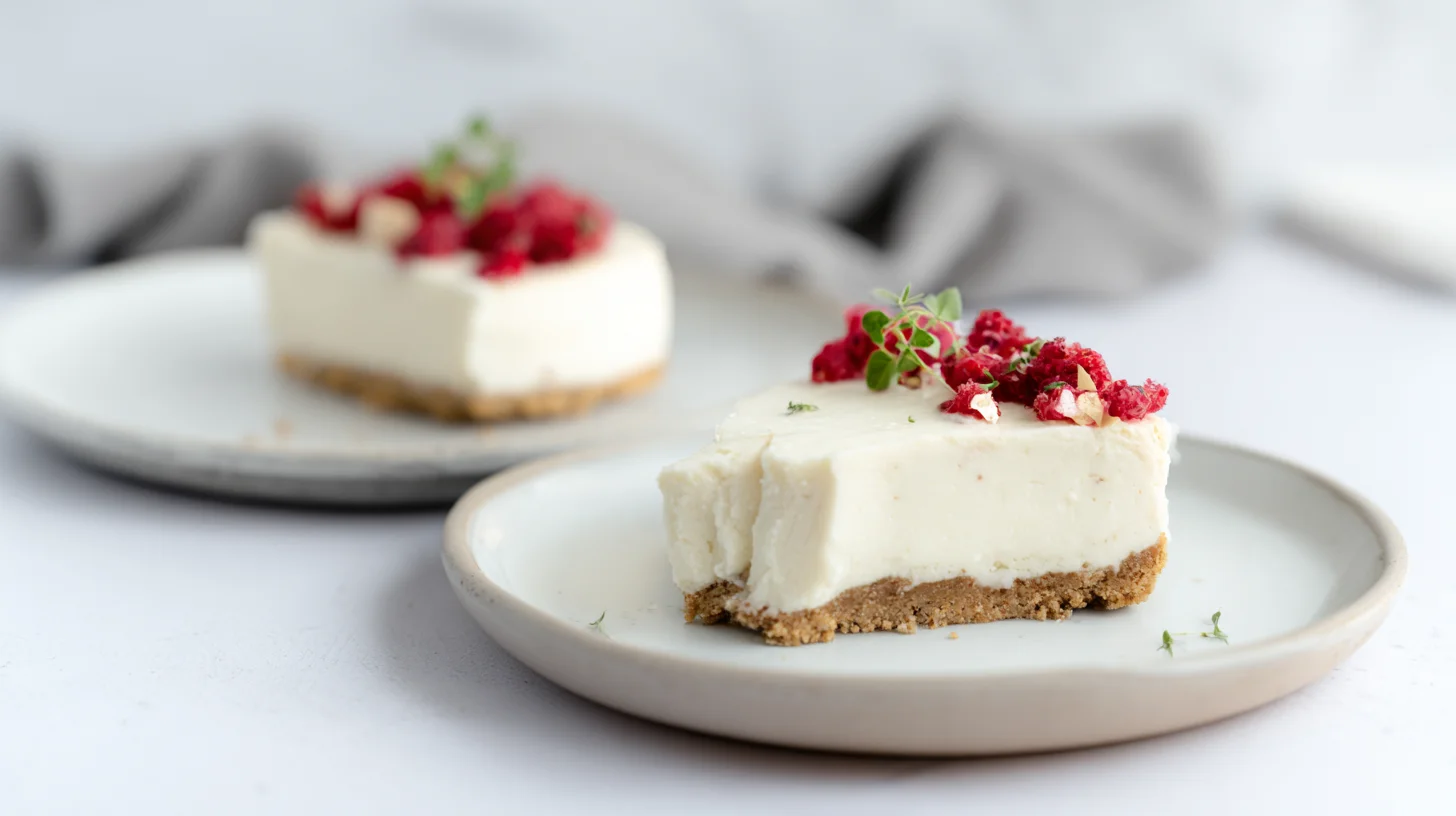
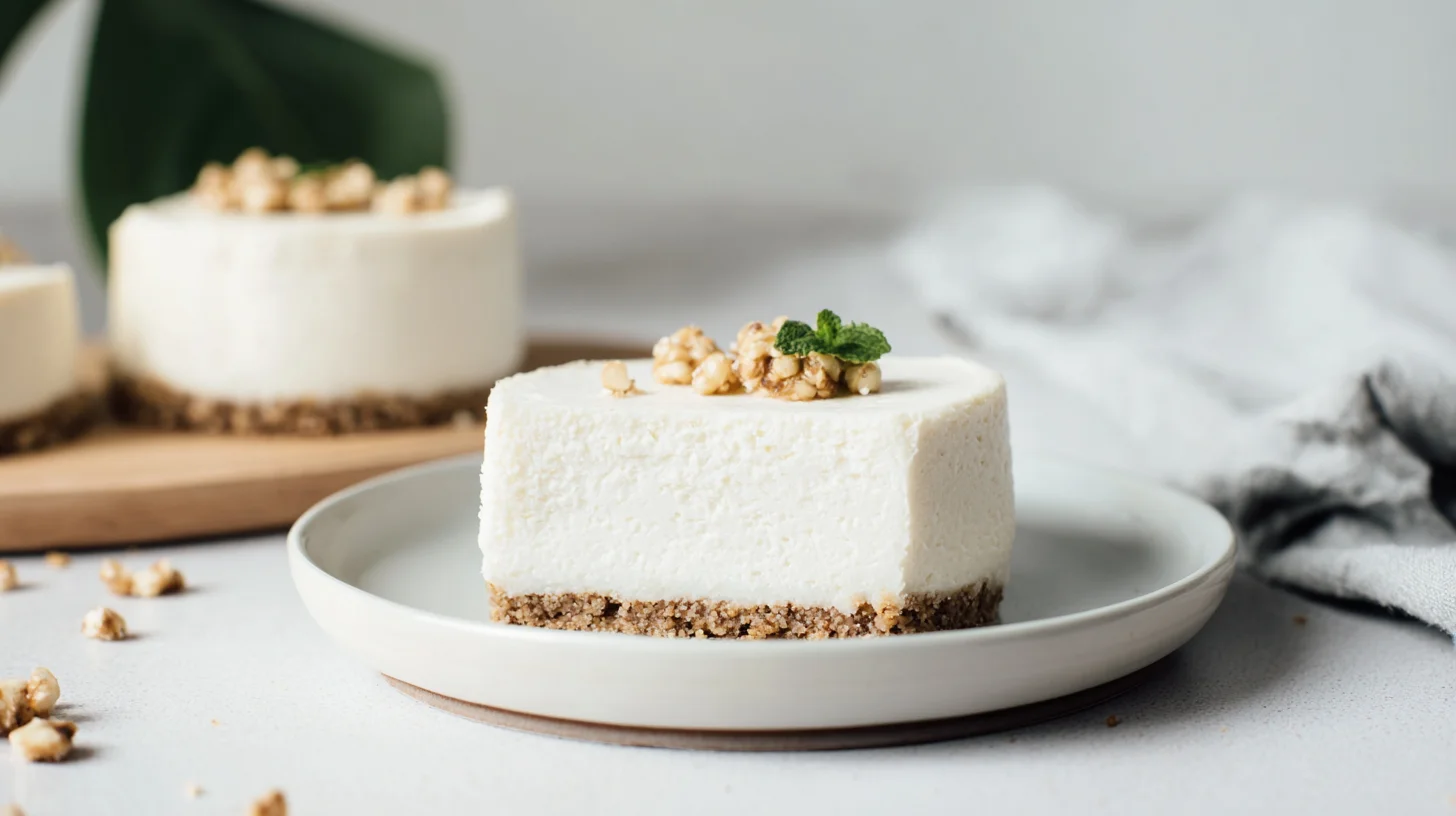
If you love cheesecake but need a nut-free option, this Nut-Free Keto Cheesecake Crust is about to become your new best friend. Traditional keto crusts rely heavily on almond flour, which can be a problem for those with tree nut allergies or sensitivities. However, this recipe uses simple low-carb ingredients to create a perfectly crispy, buttery base that holds up beautifully under creamy cheesecake filling.
I created this crust after a friend asked me to make her birthday cheesecake, but she couldn’t have any nuts. At first, I panicked because most keto baking depends on nut flours. Then I experimented with coconut flour and found the perfect combination that’s sturdy, flavorful, and completely allergy-friendly. Therefore, whether you’re making a classic vanilla cheesecake or something more adventurous, this crust delivers every single time.
This versatile base works with any cheesecake recipe you love. In addition, it’s incredibly forgiving for beginners and comes together in just minutes with pantry staples you probably already have on hand.
Why You’ll Love This Recipe
- Completely nut-free and allergy-friendly
- Ready in just 20 minutes including baking time
- Only 2g net carbs per serving
- Crispy, buttery texture that doesn’t get soggy
- Works with any cheesecake filling you love
Your Perfect Allergy-Friendly Crust Starts Here
Nut-Free Keto Cheesecake Crust
10
servings8
minutes12
minutes145
kcalThis crispy, buttery nut-free crust uses coconut flour instead of almond flour, making it perfect for those with tree nut allergies. It’s sturdy enough to hold any cheesecake filling and comes together in just minutes.
Ingredients
0.75 cup coconut flour
0.5 cup unsalted butter
0.25 cup powdered erythritol
1 large egg
1 teaspoon vanilla extract
0.25 teaspoon salt
0.5 teaspoon baking powder
1 tablespoon heavy cream
Directions
- Preheat your oven to 350°F (175°C) and line a 9-inch springform pan with parchment paper on the bottom and sides.
- Mix the dry ingredients in a medium bowl by whisking together the coconut flour, powdered erythritol, salt, and baking powder until well combined.
- Add the wet ingredients by pouring in the melted butter, egg, and vanilla extract, then stir until a thick dough forms.
- Check the consistency and if the mixture seems too dry to press together, add the heavy cream one teaspoon at a time until it holds together.
- Press the mixture firmly and evenly into the bottom of your prepared pan, using the bottom of a measuring cup or glass to compact it well.
- Bake the crust for 10-12 minutes until the edges are lightly golden and the center looks set.
Notes
- Don’t substitute coconut flour with other flours as it absorbs liquid differently and the recipe won’t work.
- Store leftover cheesecake covered in the refrigerator for up to 5 days.
- For easier slicing, dip your knife in hot water and wipe clean between cuts.
- You can make just the crust and freeze it wrapped tightly for up to 3 months.
Nutrition Facts
- Serving Size: 1 g
- Total number of serves: 10
- Calories: 145kcal
- Fat: 14g
- Carbohydrates: 6g
- Fiber: 4g
- Protein: 2g
Like this recipe?
Follow @easyketodessert on Pinterest
Tips for the Best Nut-Free Keto Cheesecake Crust
Making a successful nut-free keto crust requires a few key techniques. First, understanding how coconut flour behaves differently from almond flour will help you avoid common mistakes. Then, following these simple tips ensures your crust turns out perfect every time.
Use Finely Ground Coconut Flour
Not all coconut flour is created equal. Some brands are coarser than others, which can affect the texture of your crust. For the smoothest results, use finely sifted coconut flour that’s been properly processed. As a result, your crust will have a more uniform texture without any grainy bits.
Don’t Skip the Parchment Paper
Lining your springform pan with parchment paper makes removing the cheesecake so much easier. Cut a circle for the bottom and a strip for the sides. This simple step prevents sticking and ensures your beautiful crust stays intact when you serve it.
Press the Crust Firmly and Evenly
The secret to a crust that doesn’t crumble is proper compacting. Use the bottom of a measuring cup or glass to press the mixture firmly into the pan. Pay special attention to the edges and corners. Therefore, you’ll get a sturdy base that holds together beautifully when sliced.
Watch the Baking Time Carefully
Coconut flour can go from perfectly golden to burnt quickly. Set a timer and check your crust at the 10-minute mark. The edges should be lightly golden and the center should look set. However, if it’s browning too fast, tent it with foil for the remaining time.
Let It Cool Completely Before Filling
Patience is key here. A hot crust will melt your cheesecake filling and create a soggy mess. Let the crust cool in the pan for at least 15 minutes. In addition, you can speed up the process by placing it in the refrigerator for 10 minutes once it’s safe to handle.
Delicious Variations to Try
This basic nut-free crust is incredibly versatile. You can customize it to match different cheesecake flavors or dietary needs. Here are my favorite ways to switch things up and create something unique every time.
Chocolate Coconut Crust
Add 2 tablespoons of unsweetened cocoa powder to the dry ingredients for a rich chocolate version. This works beautifully with light and fluffy Japanese-style cheesecakes or any chocolate cheesecake filling. The cocoa adds depth without extra carbs.
Cinnamon Spice Crust
Mix in 1 teaspoon of ground cinnamon and a pinch of nutmeg for a warm, spiced crust. This variation pairs perfectly with pumpkin or vanilla cheesecakes. For example, it’s amazing during fall when you want those cozy flavors.
Vanilla Bean Crust
Scrape the seeds from half a vanilla bean into the mixture for an elegant upgrade. Alternatively, use 1 teaspoon of pure vanilla extract. This subtle enhancement complements simple no-bake cheesecake recipes beautifully.
Lemon Zest Crust
Add the zest of one lemon to the crust mixture for a bright, citrusy flavor. This works wonderfully with berry cheesecakes or lemon-flavored fillings. The fresh zest adds a pop of flavor without any extra carbs.
Dairy-Free Version
Replace the butter with coconut oil or vegan butter to make this crust completely dairy-free. Use refined coconut oil if you don’t want a coconut flavor. Therefore, this becomes suitable for those avoiding dairy while staying keto.
Sweetener Swaps
While this recipe uses erythritol, you can substitute with monk fruit sweetener or allulose. Each sweetener behaves slightly differently, so check the FDA’s guide to sweeteners for conversion ratios. I recommend using powdered sweetener blends for the smoothest texture.
Understanding the Nutrition in This Crust
Let’s talk about what makes this crust so keto-friendly. Each serving contains just 2g net carbs, which leaves plenty of room in your daily carb budget for the creamy cheesecake filling. The majority of calories come from healthy fats, which is exactly what you want on a ketogenic diet.
At 145 calories per serving, this crust is surprisingly light. The butter provides rich flavor and helps bind everything together. Coconut flour is naturally high in fiber, which is why the net carbs stay so low despite the total carb count. In addition, you get 2g of protein per slice, which contributes to your daily protein goals.
The fat content sits at 14g per serving, mostly from the butter. According to Harvard’s nutrition research on dairy fats, these fats help with satiety and nutrient absorption. Therefore, you’ll feel satisfied without needing a huge portion.
This crust works beautifully as a base for rich, creamy fillings like fluffy whipped cheesecake mousse. When you combine the crust with a typical keto cheesecake filling, you’re looking at a complete dessert that stays well under 10g net carbs per generous slice. That’s impressive for such a decadent treat.
One important note about eggs: this recipe uses one egg to bind the crust. Make sure to store any leftover cheesecake in the refrigerator and consume within 5 days. For more information on safe egg handling, visit the USDA’s food safety guidelines.
If you’re tracking macros closely, you can easily adjust the serving size. Cutting the cheesecake into 12 slices instead of 10 reduces the calories to about 120 per serving and drops the net carbs to around 1.7g. However, I find 10 servings gives you a satisfying portion that feels like a real dessert.
For the best results, I recommend using high-quality grass-fed butter if your budget allows. The flavor difference is noticeable, and you’ll appreciate the richer taste in every bite.
Your Nut-Free Crust Questions Answered
I get so many questions about making nut-free keto crusts. Here are the most common ones I hear from readers who are trying this recipe for the first time. These answers will help you troubleshoot any issues and ensure perfect results.
Can I use this crust for no-bake cheesecakes?
Yes, this crust works perfectly for no-bake cheesecakes. Just bake it as directed, let it cool completely, then add your no-bake filling. The pre-baked crust provides a sturdy base that won’t get soggy.
Why is my crust crumbly?
A crumbly crust usually means it wasn’t pressed firmly enough into the pan. Use the bottom of a glass to really compact the mixture. Also, make sure you’re measuring the coconut flour correctly by spooning it into the measuring cup rather than scooping.
Can I make this crust ahead of time?
Absolutely! You can bake the crust up to 2 days in advance. Let it cool completely, then cover tightly with plastic wrap and store at room temperature. This makes cheesecake assembly much easier when you’re short on time.
Can I substitute the coconut flour with something else?
Coconut flour is unique because it absorbs so much liquid. You cannot substitute it 1:1 with other flours. However, you could try sunflower seed flour for another nut-free option, though the texture will be different.
How do I prevent the crust from sticking to the pan?
Always line your springform pan with parchment paper on the bottom and sides. You can also lightly grease the pan with butter before pressing in the crust mixture. This ensures easy removal every time.
Can I freeze this crust?
Yes, you can freeze the baked crust for up to 3 months. Wrap it tightly in plastic wrap and then aluminum foil. Thaw in the refrigerator before adding your cheesecake filling.



Leave a Reply