
This post contains affiliate links. As an Amazon Associate, we earn from qualifying purchases. This means we may earn a small commission if you purchase through our links, at no extra cost to you.
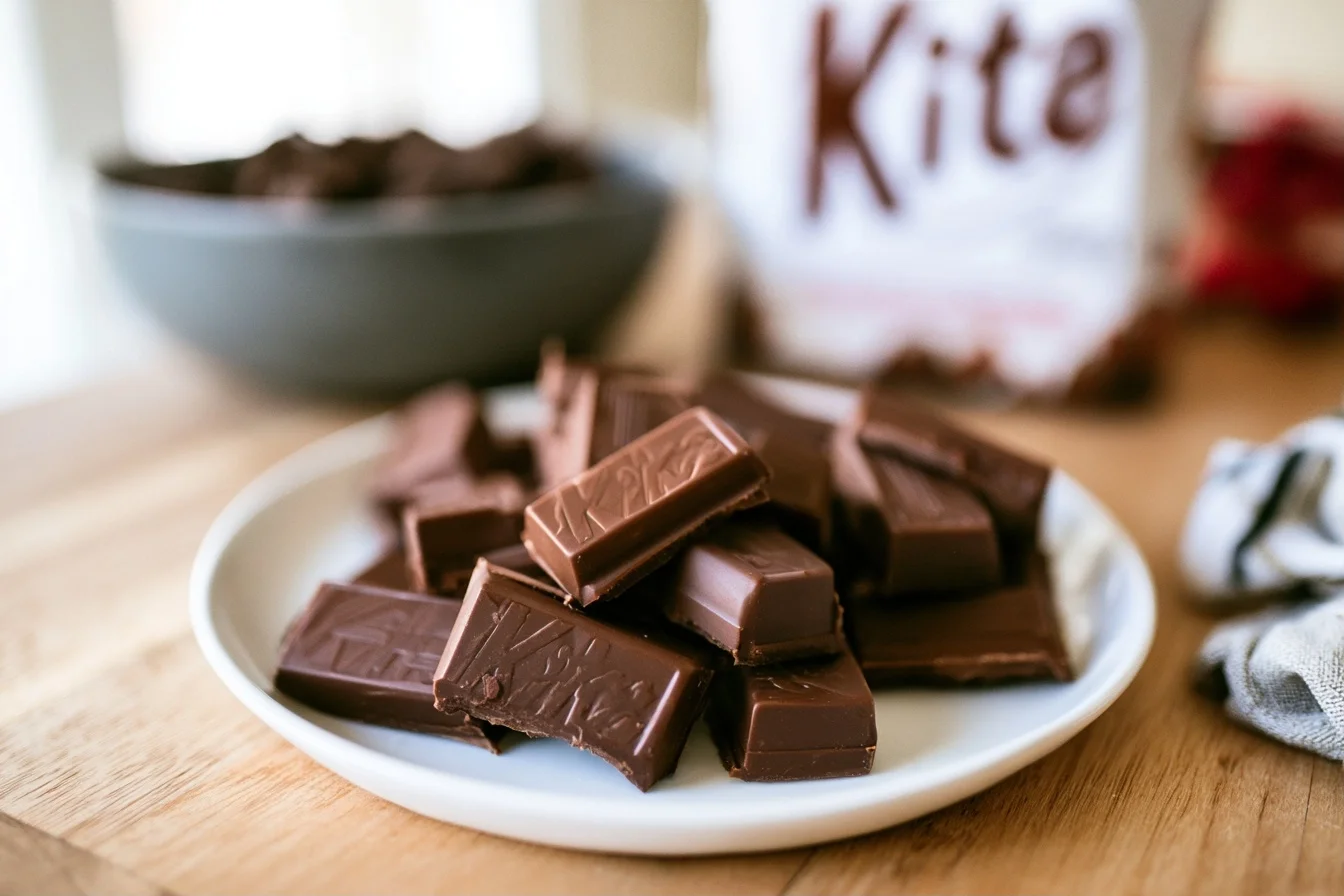
If you’ve been missing that iconic crunchy, chocolatey candy bar since going keto, you’re in for a treat! This keto kit kat copycat recipe delivers all the crispy wafer layers and smooth chocolate coating you remember, without the sugar crash. It’s perfect for satisfying your sweet tooth while staying in ketosis.
I remember sneaking Kit Kats from my Halloween stash as a kid, breaking off each finger and savoring that satisfying snap. Now, I can enjoy that same nostalgic experience without compromising my low-carb lifestyle. These homemade bars taste remarkably close to the original, and honestly, they might even be better.
The best part? You don’t need any fancy equipment or baking skills. This is a simple no-bake recipe that comes together in under an hour. Therefore, it’s perfect for beginners who want impressive results without the stress. Plus, you can customize the chocolate coating to suit your taste preferences.
Why You’ll Love This Recipe
- Ready in just 45 minutes including chill time
- Only 2g net carbs per bar
- No baking required
- Tastes just like the original candy bar
- Perfect for meal prep and freezer storage
Your New Favorite Sugar-Free Candy Bar
Keto Kit Kat Copycat Bars
12
servings30
minutes0
minutes180
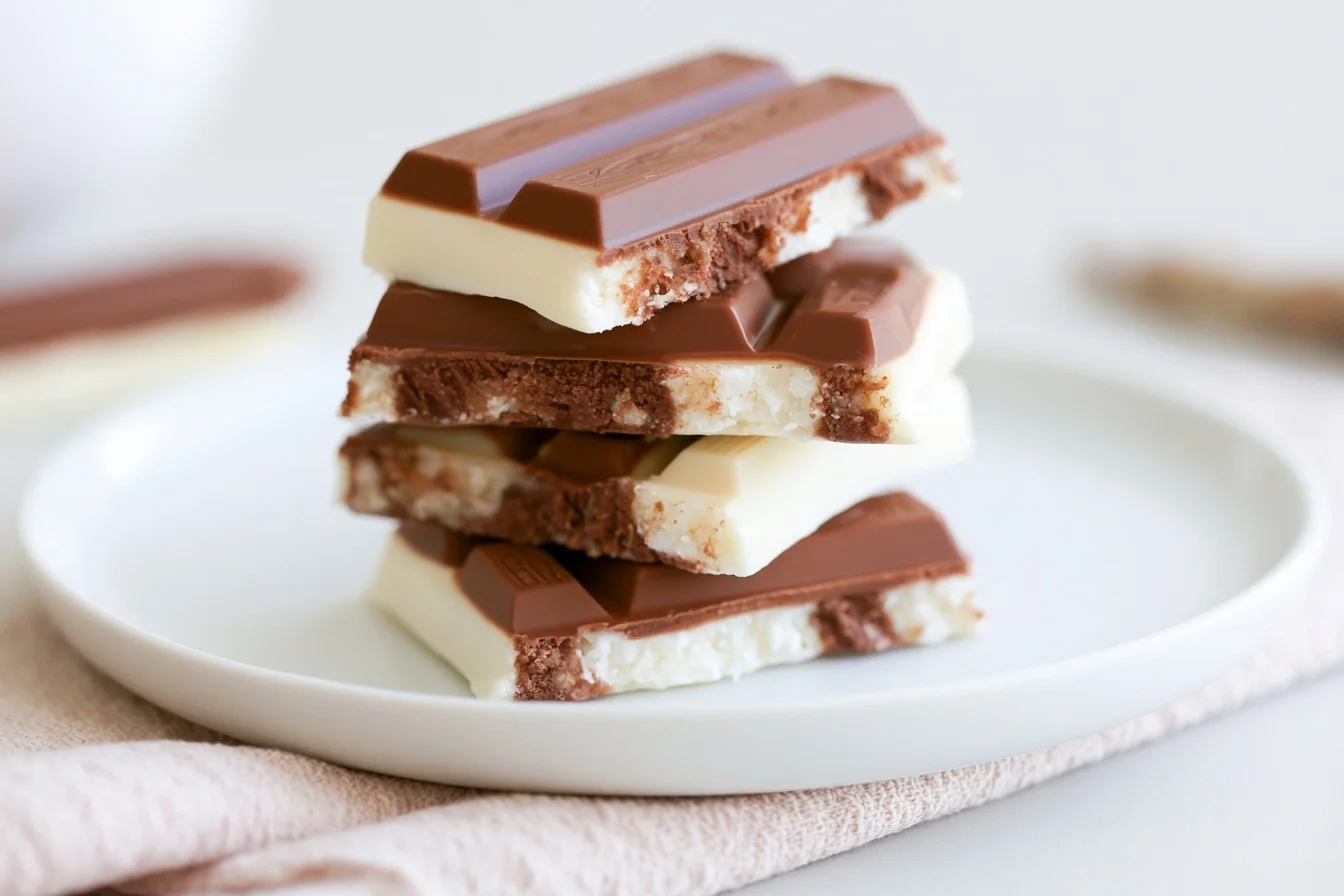
kcalThese homemade keto Kit Kat bars feature crispy almond flour wafer layers coated in smooth sugar-free chocolate. With only 2g net carbs per bar, they’re the perfect low-carb treat that tastes just like the classic candy.
Ingredients
2 cups almond flour
0.25 cup coconut flour
0.5 cup powdered erythritol
0.5 cup butter
2 tablespoons heavy cream
1 teaspoon vanilla extract
0.25 teaspoon salt
10 ounces sugar-free dark chocolate chips
1 tablespoon coconut oil
2 tablespoons unsweetened cocoa powder
Directions
- Line an 8×8 inch baking pan with parchment paper, leaving overhang on the sides for easy removal. Set aside.
- Mix the wafer base by combining almond flour, coconut flour, cocoa powder, 1/4 cup powdered erythritol, and salt in a large bowl.
- Add the wet ingredients including melted butter, heavy cream, and vanilla extract to the dry mixture. Stir until a thick dough forms.
- Divide the dough into four equal portions. Press one portion firmly and evenly into the bottom of your prepared pan.
- Chill the first layer in the freezer for 10 minutes until firm to the touch.
- Repeat the layering process by pressing the second portion of dough on top of the chilled first layer. Return to freezer for 10 minutes.
Notes
- For cleaner cuts, warm your knife under hot water and dry completely between each cut.
- Store bars in an airtight container in the refrigerator for up to 2 weeks or freeze for up to 3 months.
- The wafer layers should be pressed firmly to prevent crumbling when cutting.
- If chocolate is too thick for dipping, add an extra teaspoon of coconut oil to thin it out.
Nutrition Facts
- Serving Size: 1 g
- Total number of serves: 12
- Calories: 180kcal
- Fat: 16g
- Carbohydrates: 5g
- Fiber: 3g
- Protein: 4g
Like this recipe?
Follow @easyketodessert on Pinterest
Expert Tips for Perfect Keto Kit Kat Copycat Bars
Making these copycat bars is straightforward, but a few key techniques will ensure perfect results every time. First, let’s talk about getting those crispy wafer layers just right. Then, we’ll cover the chocolate coating for that signature glossy finish.
Getting the Wafer Texture Right
The secret to authentic wafer texture lies in using almond flour mixed with a small amount of coconut flour. This combination creates a crispy, delicate layer that mimics traditional wafers. Make sure to press each layer firmly and evenly in your pan. Otherwise, you’ll end up with gaps that make cutting difficult.
Additionally, letting each layer chill for at least 10 minutes before adding the next one is crucial. This prevents the layers from blending together. As a result, you’ll get those distinct wafer lines that make Kit Kats so recognizable.
Choosing the Right Chocolate
Sugar-free chocolate is essential for keeping these bars keto-friendly. I recommend using premium sugar-free dark chocolate chips for the best flavor and smooth melting consistency. Avoid chocolate with maltitol, as it can cause digestive issues and has a higher glycemic impact.
For the smoothest coating, add a tablespoon of coconut oil to your melted chocolate. This creates a thinner consistency that coats evenly. Furthermore, it helps the chocolate set with that beautiful glossy finish you see on store-bought candy bars.
Cutting Clean Bars
The trick to clean cuts is using a sharp knife warmed under hot water. Dry the knife completely, then make one swift cut. Wipe the knife clean and rewarm it between each cut. This prevents the chocolate from cracking and keeps your bars looking professional.
Moreover, cutting while the bars are still slightly chilled but not frozen works best. If they’re too hard, the chocolate will shatter. If they’re too soft, the layers will compress and lose their definition.
Storage and Freezing
These bars store beautifully in the refrigerator for up to two weeks. Keep them in an airtight container with parchment paper between layers. They also freeze exceptionally well for up to three months. In fact, many people prefer eating them straight from the freezer for an extra-crunchy texture.
Creative Ways to Customize Your Bars
One of the best things about making your own keto kit kat copycat is the ability to customize flavors. You can experiment with different extracts, coatings, and even fillings. Here are some delicious variations to try once you’ve mastered the basic recipe.
Flavor Variations
Add a teaspoon of vanilla extract to your wafer mixture for a subtle vanilla flavor. Alternatively, try peppermint extract for a refreshing twist that’s perfect for the holidays. Coffee extract creates a mocha version that pairs beautifully with dark chocolate coating.
You can also incorporate sugar-free peanut butter between the wafer layers for a Reese’s-Kit Kat hybrid. This adds healthy fats and creates an even more satisfying treat. If you love homemade keto candy recipes, this variation will become a new favorite.
Different Chocolate Coatings
While dark chocolate is traditional, white chocolate coating creates a stunning visual contrast. Use sugar-free white chocolate chips and follow the same melting process. You can even do a half-and-half coating for a tuxedo effect that looks impressive on dessert platters.
For a richer experience, try coating your bars in sugar-free milk chocolate instead. This creates a sweeter, creamier flavor profile that some people prefer. The texture remains perfectly crispy underneath regardless of which chocolate you choose.
Making It Dairy-Free
Converting this recipe to dairy-free is surprisingly simple. Replace the butter with coconut oil in the wafer layers. Then, use dairy-free chocolate chips for the coating. The texture and taste remain remarkably similar to the original version.
Coconut cream can also replace any dairy in the filling if you decide to add one. This makes the recipe suitable for those following both keto and paleo diets. Therefore, it’s perfect for serving to guests with various dietary restrictions.
Adding Extra Crunch
For even more texture, sprinkle crushed sugar-free cookies or keto granola between the wafer layers. This adds an extra dimension of crunch that takes these bars to the next level. Just make sure whatever you add is also low-carb to maintain the nutritional profile.
Chopped nuts like almonds or pecans work wonderfully too. They add healthy fats and create a more complex flavor. However, keep in mind this will slightly increase the carb count per serving.
Understanding the Nutrition Behind These Bars
Each bar contains approximately 180 calories, making it a reasonable treat that fits easily into most keto meal plans. The macronutrient breakdown is ideal for maintaining ketosis, with 16g of fat providing the majority of calories. This high fat content helps keep you satisfied and prevents sugar cravings later.
With only 2g net carbs per bar, you can enjoy this dessert without worrying about being kicked out of ketosis. The total carb count is 5g, but 3g comes from fiber, which doesn’t impact blood sugar. This makes these bars suitable even for those following a strict ketogenic eating plan with very low carb limits.
The protein content sits at 4g per serving, which is moderate for a dessert. This comes primarily from the almond flour in the wafer layers. While this isn’t a high-protein snack, it provides enough to help with satiety. Consequently, one bar is usually sufficient to satisfy your sweet tooth.
These bars use erythritol as the primary sweetener, which has zero glycemic impact. Unlike sugar alcohols such as maltitol, erythritol is well-tolerated by most people and doesn’t cause digestive discomfort. If you’re interested in learning more about keto-friendly sweetener options, there are many resources available to help you make informed choices.
The fat content comes from healthy sources like almond flour, butter, and dark chocolate. These provide essential fatty acids that support brain function and hormone production. Moreover, the combination of fats and fiber helps stabilize blood sugar levels, preventing the energy crashes associated with traditional candy bars.
Compared to a regular Kit Kat bar with 27g of carbs and 21g of sugar, this keto version is dramatically different nutritionally. You get all the taste satisfaction without the blood sugar spike. This makes it perfect for anyone managing diabetes, insulin resistance, or simply wanting to reduce sugar intake. If you’re looking for more dessert options that deliver on taste, check out this decadent keto chocolate cake recipe that’s equally impressive.
Your Questions Answered
Making homemade candy bars can seem intimidating at first, especially if you’re new to keto baking. However, most questions have simple answers. Below, I’ve addressed the most common concerns people have when making this keto kit kat copycat recipe for the first time.
Can I use a different sweetener instead of erythritol?
Yes, you can substitute erythritol with other keto-friendly sweeteners like allulose or monk fruit sweetener. However, the texture and sweetness level may vary slightly. Avoid using liquid sweeteners as they will affect the wafer consistency.
Why is my chocolate coating not smooth?
If your chocolate coating is grainy or thick, it may have overheated. Melt chocolate slowly over low heat or in short microwave bursts. Adding a tablespoon of coconut oil helps create a smoother, thinner coating that’s easier to work with.
How long do these keto Kit Kat bars last?
Store these bars in an airtight container in the refrigerator for up to two weeks. For longer storage, freeze them for up to three months. They taste delicious straight from the freezer and maintain their crispy texture perfectly.
Can I make these nut-free?
Unfortunately, almond flour is essential for the wafer texture in this recipe. Coconut flour alone would create a different consistency. If you have nut allergies, look for sunflower seed flour as a potential alternative, though results may vary.
Do these taste exactly like regular Kit Kats?
While these keto bars come remarkably close to the original, they have a slightly different texture due to the almond flour base. The chocolate coating and overall experience are very similar. Most people find them just as satisfying as the sugar-filled version.
Can I double this recipe?
Absolutely! This recipe doubles easily. Just use a larger pan or make two separate batches. Keep in mind that larger batches may require slightly longer chilling times between layers to ensure they set properly before adding the next layer.



Leave a Reply