
This post contains affiliate links. As an Amazon Associate, we earn from qualifying purchases. This means we may earn a small commission if you purchase through our links, at no extra cost to you.
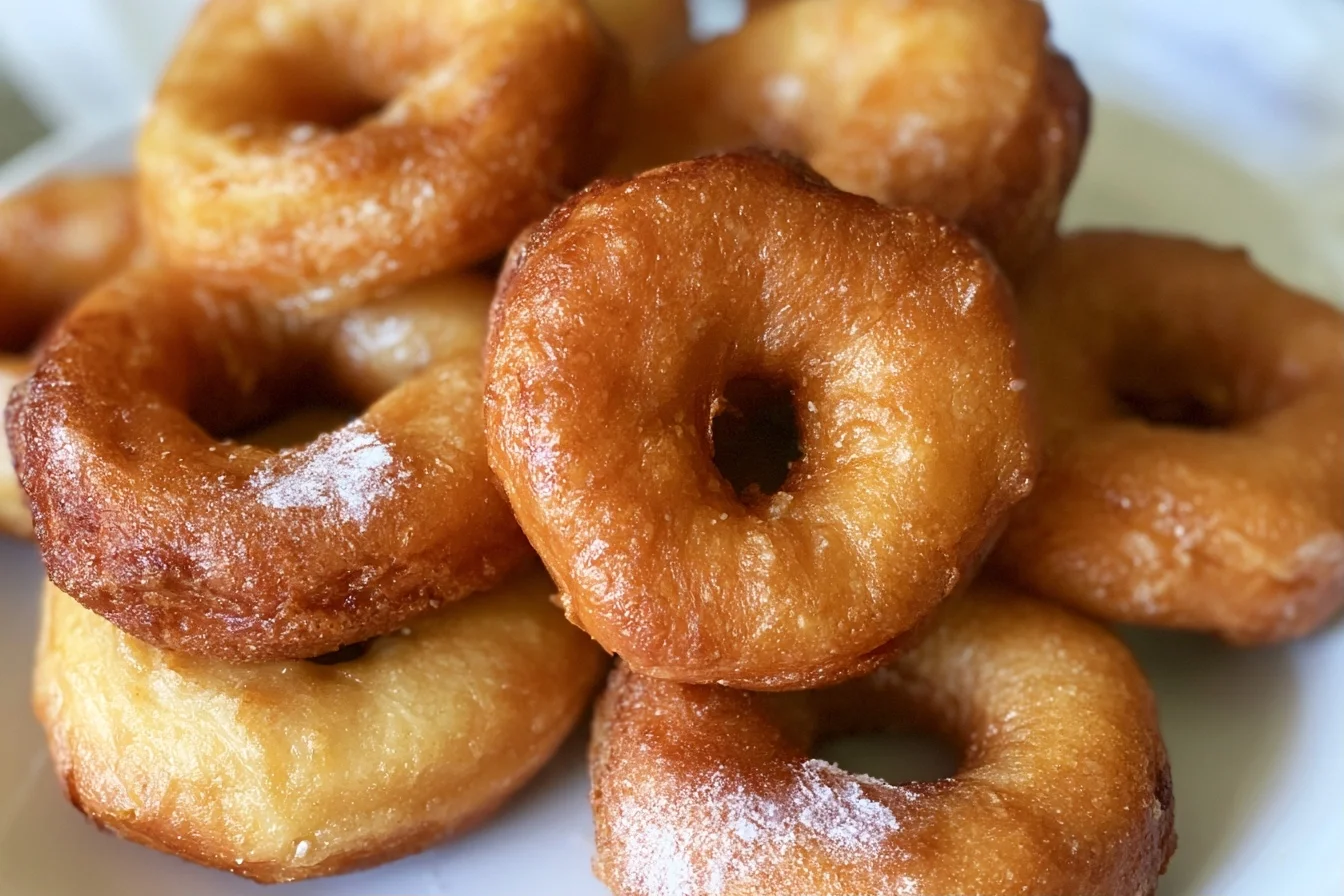
There’s something magical about biting into a warm, freshly made donut. However, traditional donuts are loaded with sugar and refined flour. That’s why I created these keto old fashioned donuts that capture all the nostalgic flavor without the carb overload. They’re tender, slightly crispy on the outside, and perfectly sweet.
These donuts remind me of weekend mornings at my grandmother’s house. She’d make old fashioned donuts from scratch, and the whole house would smell incredible. Now I can recreate that memory while staying in ketosis. Therefore, I’m excited to share this recipe with you today.
Whether you’re craving a weekend breakfast treat or planning a special brunch, these low-carb donuts deliver. In addition, they’re surprisingly simple to make. You don’t need any fancy equipment or hard-to-find ingredients. Just mix, fry, and enjoy.
Why You’ll Love This Recipe
- Ready in just 30 minutes from start to finish
- Only 3g net carbs per donut
- Tastes just like traditional old fashioned donuts
- Perfect crispy exterior with tender crumb inside
- No special donut pan required
Your New Favorite Weekend Breakfast
Keto Old Fashioned Donuts
8
servings15
minutes15
minutes180
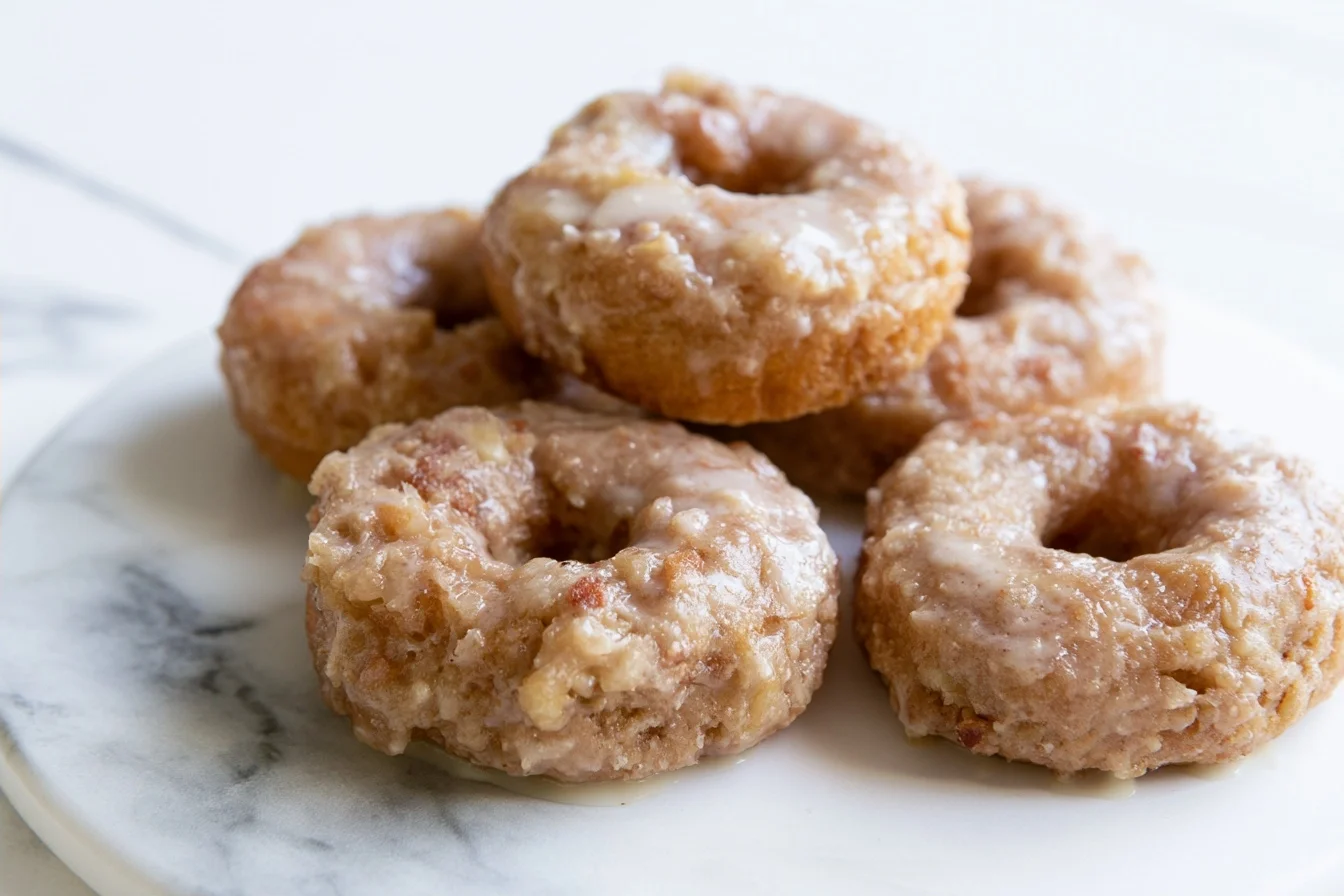
kcalThese keto old fashioned donuts are crispy on the outside and tender on the inside, just like the classic version. With only 3g net carbs per donut, they’re perfect for a low-carb breakfast or special treat.
Ingredients
2 cups almond flour
1/3 cup coconut flour
1/3 cup powdered erythritol
2 teaspoons baking powder
1/2 teaspoon salt
3 large eggs
1/4 cup unsalted butter
1/4 cup heavy cream
1 teaspoon vanilla extract
4 cups avocado oil
1/4 cup powdered erythritol
1 teaspoon ground cinnamon
Directions
- Whisk together the dry ingredients in a large bowl: almond flour, coconut flour, powdered erythritol, baking powder, and salt until well combined.
- Beat the eggs in a separate bowl, then add the melted butter, heavy cream, and vanilla extract. Mix until smooth.
- Pour the wet ingredients into the dry ingredients and stir gently until a thick dough forms. Don’t overmix.
- Chill the dough in the refrigerator for 15-20 minutes to make it easier to handle.
- Roll out the dough between two sheets of parchment paper to about 1/2 inch thickness.
- Cut out donut shapes using a 3-inch round cutter for the outer circle and a 1-inch cutter for the center hole.
Notes
- Maintain oil temperature between 350-375°F throughout frying for best results.
- Don’t skip chilling the dough as it makes cutting and handling much easier.
- Store leftover donuts in an airtight container at room temperature for up to 2 days or refrigerate for up to 5 days.
- You can freeze unglazed donuts for up to 3 months. Thaw at room temperature and reheat in a 300°F oven for 5-7 minutes.
Nutrition Facts
- Serving Size: 1 g
- Total number of serves: 8
- Calories: 180kcal
- Fat: 16g
- Carbohydrates: 8g
- Fiber: 5g
- Protein: 5g
Like this recipe?
Follow @easyketodessert on Pinterest
Tips for Perfect Keto Old Fashioned Donuts
Making these donuts is straightforward, but a few key tips will help you achieve bakery-quality results. First, pay attention to your oil temperature. Second, don’t skip the resting time for the dough. These small details make a big difference in texture and flavor.
Get Your Oil Temperature Right
The oil should stay between 350-375°F throughout frying. If it’s too hot, the donuts will brown too quickly and remain raw inside. Conversely, if it’s too cool, they’ll absorb excess oil and become greasy. Use a candy thermometer or this digital kitchen thermometer to monitor the temperature accurately.
Work with Cold Dough
Chilling the dough for 15-20 minutes makes it much easier to handle. Cold dough holds its shape better when cutting and transferring to hot oil. In addition, it prevents the butter from melting too quickly. As a result, you’ll get cleaner shapes and better texture.
Don’t Overcrowd the Pan
Fry only 2-3 donuts at a time depending on your pan size. Overcrowding drops the oil temperature too quickly. Furthermore, it makes flipping the donuts more difficult. Give each donut plenty of space to cook evenly.
Use Fresh Almond Flour
Fresh, finely ground almond flour creates the best texture. Old or coarse almond flour can make your donuts dense and gritty. I recommend blanched almond flour like this one for the smoothest results. Store it in the refrigerator to keep it fresh longer.
Drain Properly After Frying
Place fried donuts on a wire rack set over paper towels. This allows air to circulate underneath while excess oil drips away. Simply placing them flat on paper towels can make the bottom soggy. Therefore, the wire rack method keeps them crispy all around.
Delicious Ways to Customize Your Donuts
One of the best things about this recipe is its versatility. You can easily adapt it to suit your taste preferences or dietary needs. For example, try different glazes, add spices, or make them dairy-free. Here are my favorite variations to inspire you.
Classic Cinnamon Sugar Coating
Mix powdered erythritol with cinnamon and toss warm donuts in this mixture. This creates a traditional cinnamon sugar coating that’s absolutely irresistible. The warmth helps the sweetener stick perfectly to the surface. It’s my go-to variation when I want something simple yet delicious.
Sugar-Free Vanilla Glaze
Whisk together powdered sweetener, heavy cream, and vanilla extract until smooth. Dip cooled donuts into this glaze for a classic look. The glaze firms up as it sets, creating that signature donut shop finish. You can also add a pinch of salt to enhance the sweetness.
Chocolate Glazed Version
Melt sugar-free chocolate chips with a tablespoon of coconut oil for a smooth chocolate glaze. Dip the tops of cooled donuts into this mixture. Let them set on a wire rack until the chocolate hardens. This variation pairs wonderfully with rich chocolate desserts like this keto chocolate cake.
Dairy-Free Adaptation
Replace the butter with coconut oil and use coconut cream instead of heavy cream. The texture remains tender and delicious. However, you’ll notice a subtle coconut flavor. Most people find this pleasant, but you can use refined coconut oil if you prefer a neutral taste.
Spiced Pumpkin Donuts
Add pumpkin pie spice and a tablespoon of pumpkin puree to the batter. This creates a seasonal variation perfect for fall. The pumpkin adds moisture without significantly increasing the carb count. Top these with a cream cheese glaze for an extra special treat.
Lemon Poppy Seed Twist
Add lemon zest and poppy seeds to the dough for a bright, fresh flavor. Finish with a lemon glaze made from powdered sweetener and fresh lemon juice. This variation is refreshing and perfect for spring brunches. The citrus notes balance beautifully with the rich, fried dough.
Understanding the Nutrition in These Donuts
Each donut contains approximately 180 calories with 16g of fat, 5g of protein, and only 3g net carbs. The majority of calories come from healthy fats found in almond flour and eggs. This macronutrient profile makes these donuts perfectly suited for a ketogenic eating pattern.
The almond flour base provides fiber and vitamin E while keeping carbs low. Unlike wheat flour donuts that spike blood sugar, these maintain stable energy levels. In addition, the protein content helps keep you satisfied longer. Therefore, one or two donuts make a genuinely filling breakfast.
The sweetener choice matters for both taste and nutrition. I use erythritol because it has minimal impact on blood sugar. However, you can substitute with monk fruit or allulose if you prefer. Learn more about different sweetener options and their effects to make the best choice for your needs.
The fat content might seem high compared to traditional donuts. However, these are healthy fats that support ketosis and provide sustained energy. They also create that satisfying, rich mouthfeel we all love in donuts. The texture rivals any bakery version, proving that low-carb doesn’t mean low quality.
If you’re looking for more desserts with similar nutrition profiles, try this classic keto cheesecake recipe. It offers the same satisfying richness with comparable macros. Both recipes prove you can enjoy indulgent treats while maintaining your nutritional goals.
Your Questions About Keto Donuts Answered
Over the years, I’ve received countless questions about making keto donuts at home. Below, I’ve answered the most common ones to help you succeed. These tips address everything from storage to troubleshooting texture issues.
Can I bake these donuts instead of frying them?
Yes, you can bake them at 350°F for 12-15 minutes in a donut pan. However, they won’t have the same crispy exterior that frying provides. The texture will be more cake-like, which is still delicious but different from traditional old fashioned donuts.
How do I store leftover keto donuts?
Store cooled donuts in an airtight container at room temperature for up to 2 days. For longer storage, refrigerate them for up to 5 days or freeze for up to 3 months. Reheat in a 300°F oven for 5-7 minutes to restore crispiness.
Why are my donuts dense instead of fluffy?
Dense donuts usually result from overmixing the batter or using old baking powder. Mix just until ingredients are combined, and make sure your baking powder is fresh. Also, ensure your oil temperature is correct, as too-cool oil can make donuts heavy and greasy.
Can I use coconut flour instead of almond flour?
Coconut flour is not a direct substitute for almond flour as it absorbs much more liquid. If you must use coconut flour, use only 1/3 cup and add an extra egg. However, the texture will be different and may not match traditional old fashioned donuts.
What oil is best for frying keto donuts?
Avocado oil is ideal because it has a high smoke point and neutral flavor. Refined coconut oil also works well. Avoid olive oil as its low smoke point and strong flavor aren’t suitable for frying. Use enough oil so donuts can float freely, about 2-3 inches deep.
How many carbs are in each donut?
Each donut contains 3g net carbs, calculated by subtracting fiber from total carbs. This count doesn’t include any glaze or coating you might add. A simple cinnamon coating adds minimal carbs, while chocolate glaze may add 1-2g depending on the recipe.





Leave a Reply