
This post contains affiliate links. As an Amazon Associate, we earn from qualifying purchases. This means we may earn a small commission if you purchase through our links, at no extra cost to you.
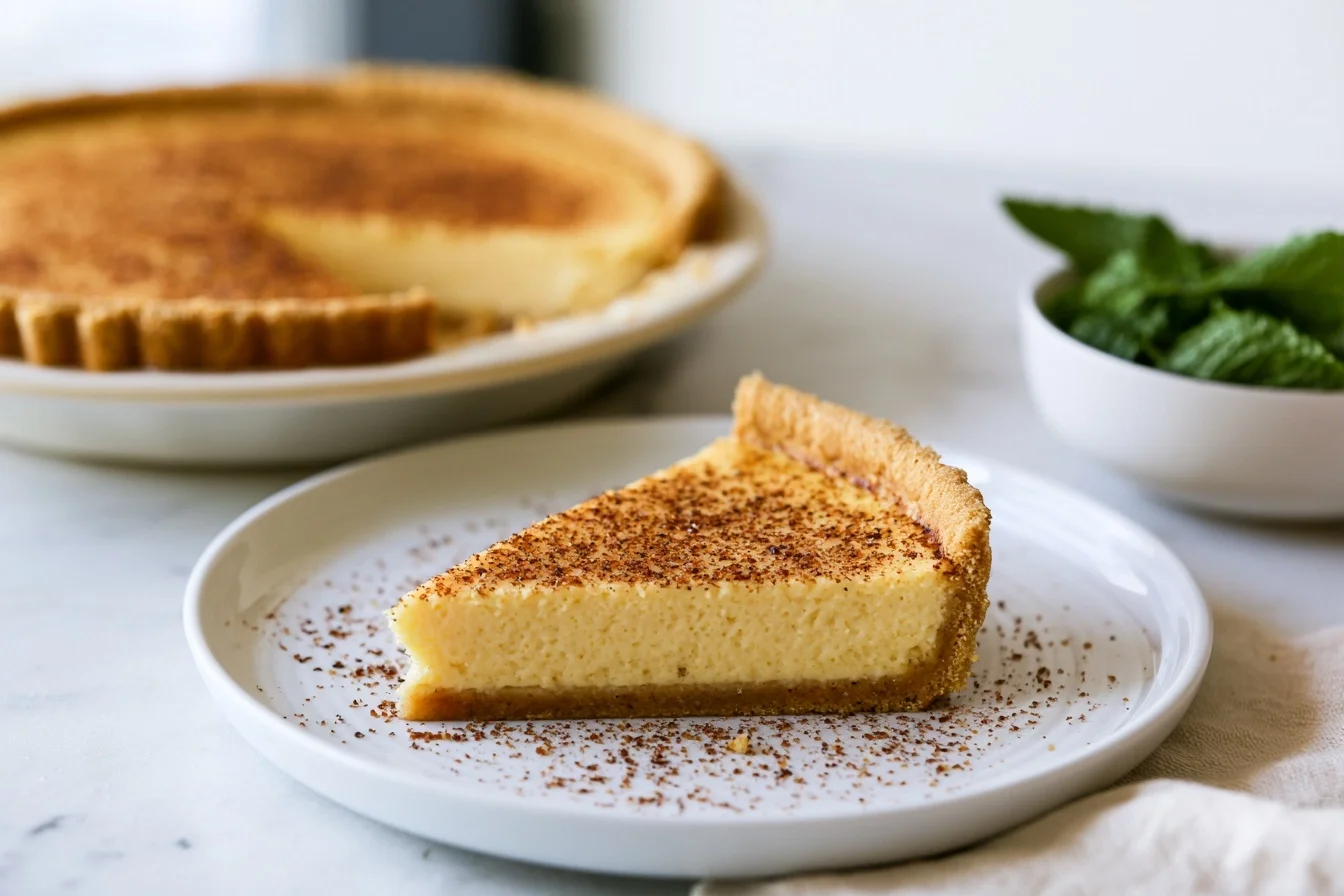
There’s something incredibly comforting about a classic custard pie, and this keto custard pie brings all that creamy, vanilla-scented goodness without the carb overload. The silky smooth filling nestled in a buttery almond flour crust makes every bite feel like a warm hug from grandma’s kitchen. However, this version keeps your blood sugar stable and your keto goals intact.
This dessert is perfect for Sunday dinners, holiday gatherings, or any time you’re craving something simple yet impressive. The golden custard filling bakes up beautifully with just the right amount of wobble in the center. Therefore, you get that perfect texture that’s neither too firm nor too runny.
I remember making traditional custard pies with my grandmother every Thanksgiving. Now, I can recreate those memories while staying true to my low-carb lifestyle. In addition, this recipe is surprisingly beginner-friendly, requiring just basic ingredients and straightforward techniques.
Why You’ll Love This Recipe
- Only 4g net carbs per generous slice
- Buttery almond flour crust that tastes like the real thing
- Silky smooth custard filling with classic vanilla flavor
- Ready in under 90 minutes including baking time
- Perfect for holidays and special occasions
Your New Favorite Low-Carb Custard Creation
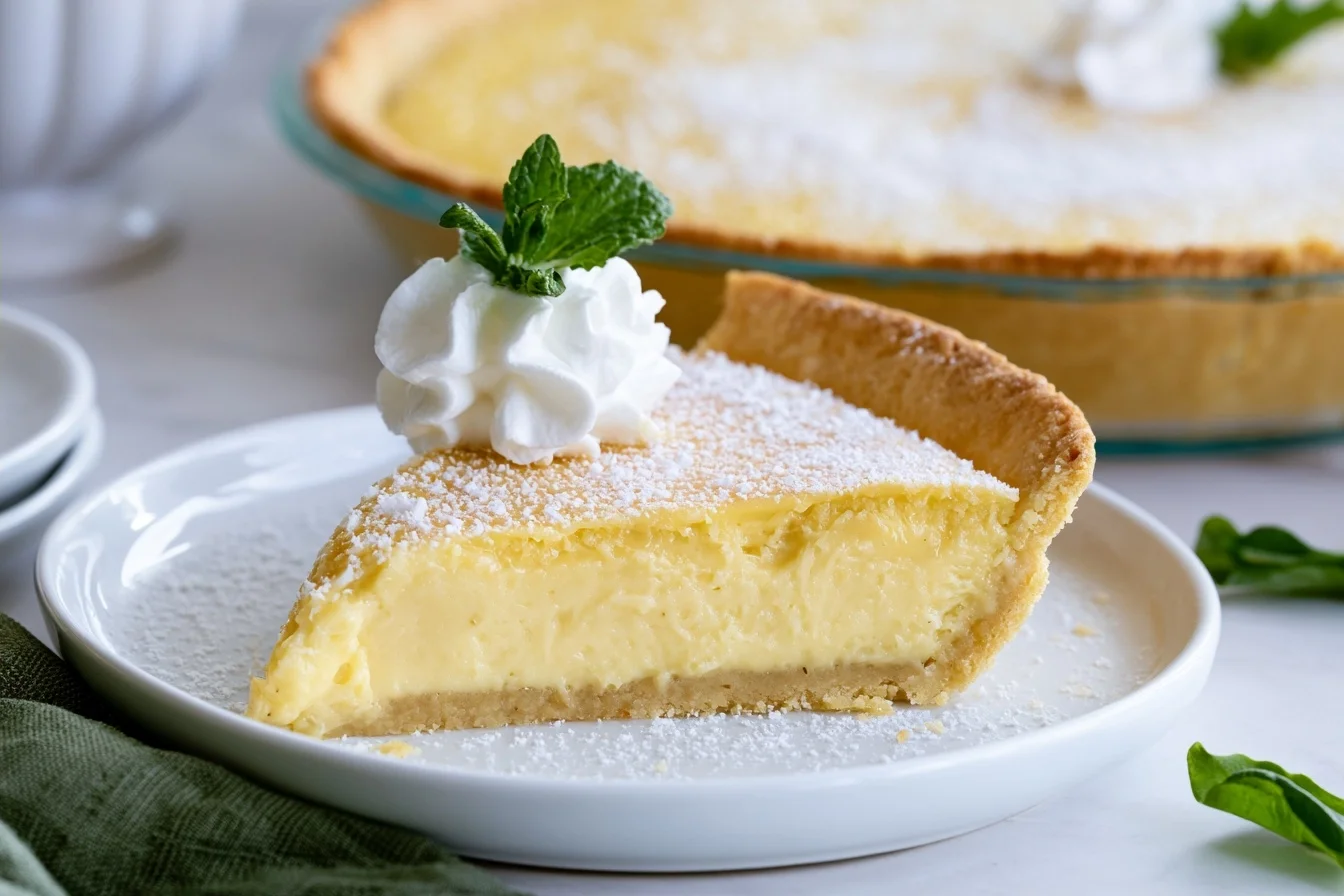
Keto Custard Pie
8
servings20
minutes55
minutes285
kcalThis classic keto custard pie features a silky smooth vanilla custard filling baked in a buttery almond flour crust. With only 4g net carbs per slice, it’s the perfect low-carb dessert for any occasion.
Ingredients
2 cups almond flour
4 tablespoons butter
1 large egg
2 tablespoons powdered erythritol
2 cups heavy cream
4 large eggs
0.5 cup powdered erythritol
2 teaspoons vanilla extract
0.25 teaspoon salt
0.125 teaspoon nutmeg
Directions
- Preheat your oven to 350°F and grease a 9-inch pie pan with butter or cooking spray.
- Make the crust by combining almond flour, 2 tablespoons powdered erythritol, and salt in a food processor. Pulse a few times to mix.
- Add the cold butter cubes and pulse until the mixture resembles coarse crumbs.
- Add one egg and pulse until the dough comes together into a ball.
- Press the dough evenly into the bottom and up the sides of your prepared pie pan. Prick the bottom all over with a fork.
- Pre-bake the crust for 10 minutes until just starting to turn golden. Remove from oven and set aside.
Notes
- The custard will continue to set as it cools, so don’t overbake it or it will become rubbery.
- Store covered in the refrigerator for up to 5 days.
- For best slicing results, use a sharp knife wiped clean between each cut.
- You can substitute monk fruit sweetener or allulose for the erythritol in equal amounts.
Nutrition Facts
- Serving Size: 1 g
- Total number of serves: 8
- Calories: 285kcal
- Fat: 26g
- Carbohydrates: 6g
- Fiber: 2g
- Protein: 8g
Like this recipe?
Follow @easyketodessert on Pinterest
Tips for Making the Perfect Keto Custard Pie
Making a custard pie that sets properly while maintaining that creamy texture can feel tricky at first. However, these tips will help you achieve bakery-quality results every single time. As a result, you’ll feel confident making this impressive dessert for any occasion.
Getting the Crust Just Right
Pre-baking your crust is essential for preventing a soggy bottom. First, line your pie pan with the almond flour dough and prick it all over with a fork. Then, bake it for about 10 minutes until it’s just starting to turn golden. This creates a barrier that keeps the custard from seeping into the crust.
Make sure your butter is cold when making the crust. Cold butter creates those flaky layers we all love in a good pie crust. For best results, I recommend using this high-quality almond flour which gives the most consistent texture and neutral flavor.
Achieving Silky Smooth Custard
Tempering your eggs is the secret to lump-free custard. Slowly whisk a small amount of the hot cream mixture into your beaten eggs before adding everything back to the pan. This gradually raises the egg temperature without scrambling them. Therefore, you get that perfectly smooth texture.
Strain your custard mixture through a fine-mesh sieve before pouring it into the crust. This extra step removes any bits of cooked egg and ensures an ultra-smooth filling. In addition, it helps catch any undissolved sweetener crystals.
Baking and Cooling
The custard is done when the edges are set but the center still jiggles slightly when you gently shake the pan. It will continue cooking as it cools, so don’t overbake it. Remove it from the oven when there’s still a 2-3 inch wobbly circle in the center.
Let the pie cool completely at room temperature before refrigerating. Rushing this step by putting a hot pie in the fridge can cause condensation and a watery texture. However, once it’s cooled to room temperature, refrigerate it for at least 4 hours or overnight for the best slicing results.
Delicious Ways to Customize Your Custard Pie
This basic custard pie recipe serves as a wonderful canvas for different flavors and variations. You can easily adapt it to suit your taste preferences or dietary needs. For example, switching up the extracts or adding spices creates entirely new flavor profiles.
Flavor Variations
Try adding a teaspoon of almond extract instead of vanilla for a subtle nutty flavor. Alternatively, coconut extract creates a tropical twist that’s absolutely divine. You can also add a quarter teaspoon of nutmeg to the custard for a classic spiced custard pie reminiscent of traditional holiday desserts.
For chocolate lovers, whisk in 2 tablespoons of unsweetened cocoa powder into the custard mixture. This creates a rich chocolate custard that pairs beautifully with the buttery crust. If you enjoy chocolate desserts, you might also love our collection of creamy keto pudding recipes for quick treats.
Sweetener Substitutions
While erythritol works perfectly in this recipe, you can substitute with monk fruit sweetener or allulose. Use the same amount if using monk fruit blend. However, if using pure allulose, reduce the amount by about 25% as it’s sweeter than erythritol.
Avoid using liquid sweeteners like stevia drops in the custard as they can affect the texture. Powdered sweeteners dissolve best and don’t leave any gritty texture. I always keep powdered erythritol sweetener in my pantry specifically for custards and creamy desserts.
Dairy-Free Options
You can make this pie dairy-free by using full-fat coconut cream instead of heavy cream. Make sure to use the thick cream from a chilled can of coconut milk, not the watery liquid. The texture will be slightly different but still delicious and creamy.
Replace the butter in the crust with coconut oil or a dairy-free butter substitute. The crust will be slightly more crumbly but still tasty. For more dairy-free inspiration, check out our dairy-free banana pudding alternative that uses similar techniques.
Topping Ideas
Serve your custard pie with a dollop of sugar-free whipped cream for extra indulgence. Fresh berries also make a beautiful and delicious topping that adds a pop of color. In addition, a light dusting of cinnamon or nutmeg on top adds visual appeal and extra flavor.
For special occasions, try a sugar-free caramel drizzle or chocolate sauce. You can also toast some sliced almonds and sprinkle them on top for added crunch. These simple additions transform your custard pie into an elegant showstopper dessert.
Understanding the Nutrition in Your Slice
Each slice of this keto custard pie contains approximately 285 calories, making it a satisfying dessert that won’t derail your macros. The majority of those calories come from healthy fats, which is exactly what you want on a ketogenic diet. Therefore, this dessert keeps you satiated while satisfying your sweet tooth.
With 26 grams of fat per serving, this pie provides the high-fat content essential for maintaining ketosis. The fat comes primarily from the heavy cream, eggs, and almond flour crust. However, these are nutrient-dense fats that provide energy and help with the absorption of fat-soluble vitamins.
Each slice contains 8 grams of protein, which helps with satiety and muscle maintenance. The eggs in the custard provide complete protein with all essential amino acids. In addition, the almond flour adds extra protein and beneficial nutrients like vitamin E and magnesium.
The net carb count sits at just 4 grams per slice, making this dessert perfectly keto-friendly. This low carb count is achieved by using almond flour instead of wheat flour and erythritol instead of sugar. For context, a traditional custard pie slice contains over 35 grams of carbs, so this version saves you more than 30 grams per serving.
The ketogenic approach to desserts focuses on replacing high-carb ingredients with low-carb alternatives while maintaining delicious taste and texture. This custard pie exemplifies that principle perfectly. Similarly, our sugar-free pumpkin pie recipe uses the same smart substitutions for holiday baking.
The fiber content of 2 grams per slice comes entirely from the almond flour crust. Fiber is important for digestive health and helps slow down sugar absorption. As a result, you get steady energy without blood sugar spikes.
Using erythritol as the sweetener means this pie contains zero sugar despite tasting sweet and satisfying. Sugar alcohols like erythritol don’t raise blood glucose levels, making them ideal for keto baking. However, they provide the sweetness and bulk needed to recreate traditional dessert textures.
Your Custard Pie Questions Answered
I’ve been making keto custard pies for years, and these are the questions I hear most often from readers. Below you’ll find detailed answers to help troubleshoot any issues and ensure your pie turns out perfectly every time. Therefore, you can bake with confidence even if this is your first attempt.
Can I make this keto custard pie ahead of time?
Yes, this custard pie actually tastes better when made ahead. You can prepare it up to 2 days in advance and store it covered in the refrigerator. The flavors meld together beautifully and the texture becomes even more creamy as it chills. Just add any toppings right before serving to keep them fresh.
Why is my custard pie watery?
A watery custard usually means the pie was underbaked or cooled too quickly. Make sure the edges are completely set and only the center 2-3 inches jiggles when done. Also, let the pie cool completely at room temperature before refrigerating. Putting a hot pie in the fridge causes condensation which creates excess moisture.
Can I freeze keto custard pie?
While you can technically freeze custard pie, I don’t recommend it. The texture of the custard changes significantly after freezing and thawing, often becoming grainy or watery. If you must freeze it, wrap individual slices tightly in plastic wrap and foil, then thaw slowly in the refrigerator. The texture won’t be quite the same but it will still taste good.
What’s the best way to prevent cracks in my custard pie?
Cracks usually happen from overbaking or temperature shock. Remove the pie when the center still jiggles slightly, as it continues cooking while cooling. Also, avoid opening the oven door frequently during baking as temperature fluctuations can cause cracking. Let the pie cool gradually at room temperature rather than moving it to a cold environment.
How long does keto custard pie last in the fridge?
Properly stored in an airtight container or covered tightly with plastic wrap, your custard pie will stay fresh for 4-5 days in the refrigerator. The crust may soften slightly over time, but the flavor remains delicious. Always refrigerate custard-based desserts within 2 hours of baking to prevent bacterial growth.
Can I use a store-bought keto pie crust?
Yes, you can use a store-bought keto pie crust to save time. However, make sure to check the ingredients and net carb count as they vary by brand. Pre-bake the crust according to package directions before adding the custard filling. Homemade crust typically tastes better and gives you more control over the ingredients and texture.







Leave a Reply