
This post contains affiliate links. As an Amazon Associate, we earn from qualifying purchases. This means we may earn a small commission if you purchase through our links, at no extra cost to you.
There’s nothing quite like the creamy, tangy bliss of frozen yogurt on a warm afternoon. However, most store-bought versions are loaded with sugar and carbs that knock you right out of ketosis. That’s why I created this keto frozen yogurt recipe that delivers all the satisfaction without the guilt. It’s smooth, refreshing, and incredibly easy to make at home.
I remember the first time I tried making frozen yogurt after going keto. I missed those tangy, cold treats so much. After some experimenting, I finally nailed the perfect texture and flavor. Now it’s my go-to dessert whenever the temperature rises or when I’m craving something light yet indulgent.
This recipe uses simple ingredients you probably already have in your fridge. Therefore, you can whip up a batch anytime the craving strikes. Whether you’re new to the ketogenic lifestyle or a seasoned pro, this low-carb frozen treat will become a staple in your dessert rotation.
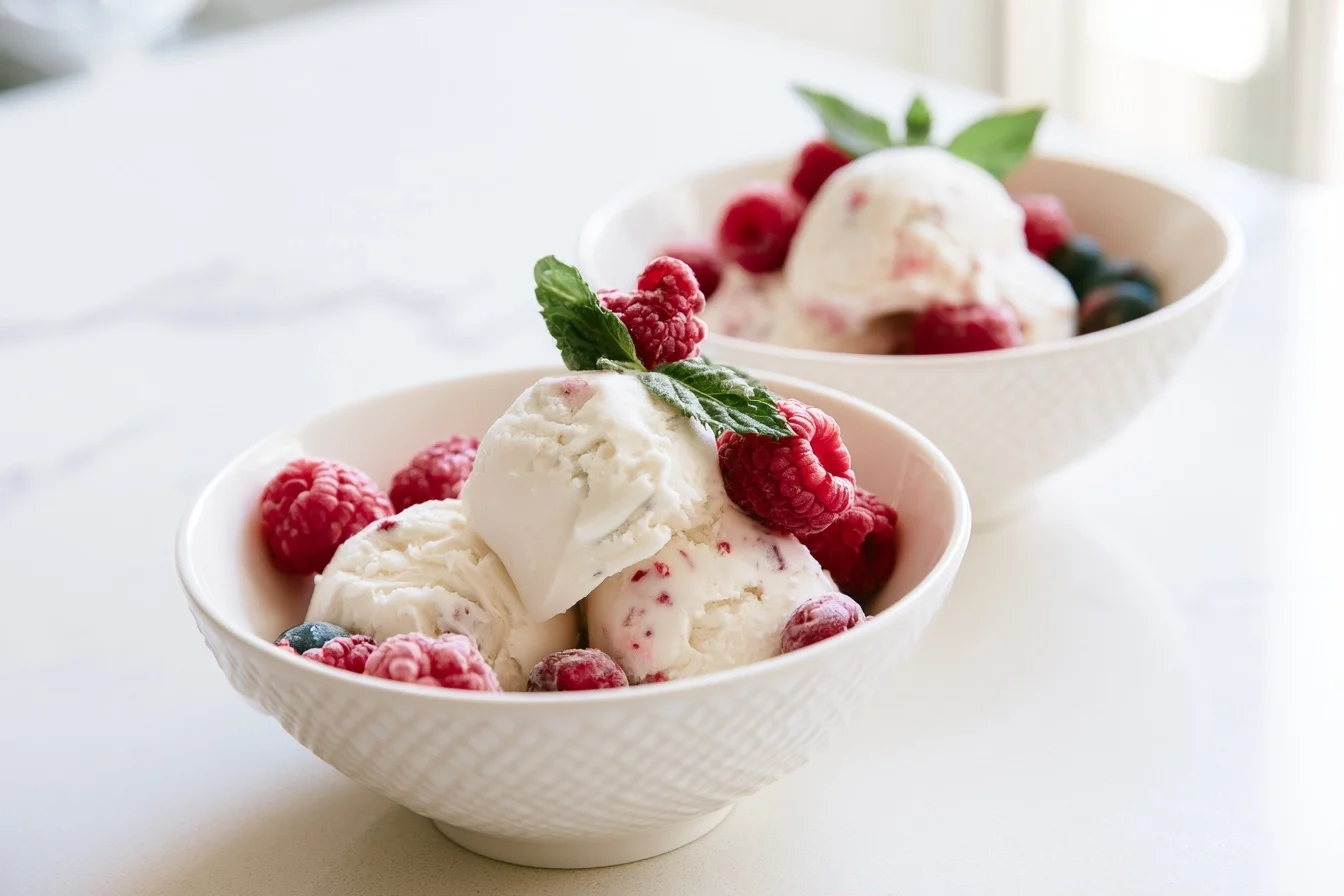
Why You’ll Love This Recipe
- Ready in just 15 minutes plus freezing time
- Only 3g net carbs per serving
- Creamy texture without an ice cream maker
- Naturally tangy and refreshing flavor
- Customizable with your favorite mix-ins
Your New Favorite Summer Treat
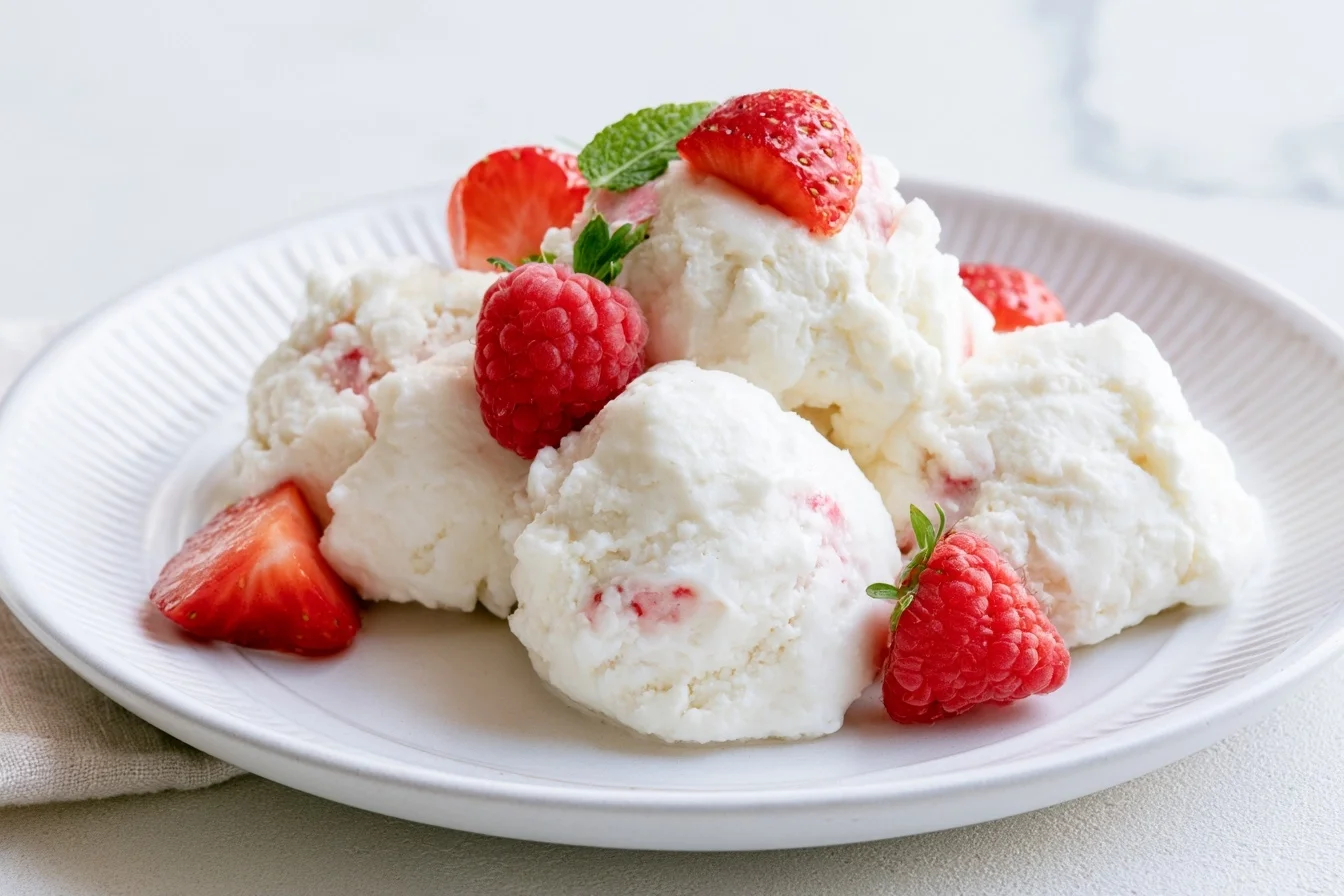
Keto Frozen Yogurt
6
servings10
minutes0
minutes180
kcalThis creamy keto frozen yogurt is tangy, refreshing, and incredibly easy to make at home. With only 3g net carbs per serving, it’s the perfect guilt-free treat for hot days or anytime you’re craving something cold and delicious.
Ingredients
2 cups full-fat Greek yogurt
1 cup heavy cream
0.5 cup powdered erythritol
2 teaspoons vanilla extract
1 tablespoon lemon juice
0.25 teaspoon xanthan gum
1 pinch sea salt
0.25 cup sugar-free chocolate chips
2 tablespoons chopped nuts
Directions
- Combine the base ingredients in a large mixing bowl. Add the Greek yogurt, heavy cream, powdered sweetener, vanilla extract, lemon juice, and sea salt. Whisk everything together until completely smooth and the sweetener has dissolved.
- Add the xanthan gum if using, sprinkling it slowly while whisking constantly. This prevents clumps from forming. Continue whisking for another minute until the mixture thickens slightly.
- Taste and adjust the sweetness level. Remember that frozen desserts taste less sweet once frozen, so make it slightly sweeter than you prefer at room temperature.
- Pour the mixture into a shallow, freezer-safe container. A 9×9 inch baking dish or similar container works perfectly. Spread it evenly.
- Freeze for 30 minutes, then remove and stir vigorously with a fork or whisk. This breaks up ice crystals as they begin to form.
- Repeat the stirring process every 30 minutes for the next 2 hours. This is the key to achieving a creamy texture without an ice cream maker.
Notes
- For best results, use full-fat Greek yogurt with at least 5% milk fat. Low-fat versions will result in icier texture.
- If you have an ice cream maker, pour the mixture in and churn according to manufacturer instructions for even creamier results.
- Store in an airtight container with plastic wrap pressed against the surface to prevent freezer burn.
- This frozen yogurt will keep for up to 2 weeks in the freezer, though it’s best enjoyed within the first week.
Nutrition Facts
- Serving Size: 1 g
- Total number of serves: 6
- Calories: 180kcal
- Fat: 15g
- Carbohydrates: 6g
- Fiber: 3g
- Protein: 8g
Like this recipe?
Follow @easyketodessert on Pinterest
Tips for Perfect Keto Frozen Yogurt
Making frozen yogurt at home is surprisingly simple. However, a few key techniques will help you achieve that perfect creamy consistency. Let me share the secrets I’ve learned through trial and error.
Choose the Right Yogurt Base
Full-fat Greek yogurt works best for this recipe. It provides the richest texture and keeps your macros in check. Avoid low-fat or fat-free versions as they contain more carbs and won’t give you that luxurious mouthfeel. Look for plain, unsweetened varieties with live active cultures for the best tangy flavor.
Sweeten It Just Right
Powdered sweeteners dissolve much better than granulated ones in cold mixtures. I recommend using powdered erythritol or monk fruit blend for the smoothest results. Start with less sweetener than you think you need. You can always add more, but you can’t take it away. Remember that frozen desserts taste less sweet when frozen, so adjust accordingly.
Prevent Ice Crystals
The secret to creamy frozen yogurt is preventing large ice crystals from forming. First, make sure all your ingredients are well-chilled before mixing. Then, stir the mixture every 30 minutes during the first two hours of freezing. This breaks up ice crystals as they form. Adding a tablespoon of vodka or sugar-free flavored extract can also help maintain a softer texture since alcohol doesn’t freeze solid.
Let It Soften Before Serving
Homemade frozen yogurt gets quite firm in the freezer. Therefore, let it sit at room temperature for 5-10 minutes before scooping. This makes serving much easier and improves the texture. If you’re in a hurry, microwave individual servings for 10-15 seconds to soften them up quickly.
Store It Properly
Store your frozen yogurt in an airtight container with plastic wrap pressed directly against the surface. This prevents freezer burn and keeps it fresh for up to two weeks. Use a shallow, wide container rather than a tall narrow one. This makes scooping easier and helps the mixture freeze more evenly.
Delicious Variations to Try
One of the best things about this recipe is how versatile it is. You can customize it endlessly to suit your taste preferences. Here are some of my favorite variations that keep things interesting.
Berry Swirl Delight
Add fresh or frozen berries to create a fruity version. Blend a cup of strawberries, raspberries, or blueberries with a tablespoon of sweetener. Swirl this mixture into your yogurt base before freezing. The natural tartness of berries complements the tangy yogurt beautifully. Plus, berries are relatively low in carbs compared to other fruits.
Chocolate Lover’s Dream
Stir in three tablespoons of unsweetened cocoa powder and an extra tablespoon of sweetener for chocolate frozen yogurt. You can also fold in sugar-free chocolate chips for added texture. This variation tastes incredibly indulgent while staying perfectly keto-friendly. For an even richer treat, add a teaspoon of instant espresso powder to enhance the chocolate flavor.
Vanilla Bean Classic
Scrape the seeds from one vanilla bean pod into your mixture for an elegant upgrade. Alternatively, use two teaspoons of pure vanilla extract for a simpler approach. This creates a sophisticated flavor profile that pairs wonderfully with any topping. If you love vanilla desserts, you might also enjoy our classic keto vanilla ice cream for comparison.
Dairy-Free Alternative
Use coconut cream yogurt instead of Greek yogurt for a dairy-free version. Make sure to choose an unsweetened variety with minimal additives. The coconut flavor adds a tropical twist that’s absolutely delicious. You can also use almond milk yogurt, though it may result in a slightly less creamy texture.
Coffee Shop Inspired
Mix in two tablespoons of instant coffee or espresso powder for a coffee-flavored treat. This version is perfect for breakfast or an afternoon pick-me-up. Add a pinch of cinnamon for extra warmth and depth. The combination of tangy yogurt and bold coffee creates an unexpectedly delightful flavor.
Nutty Crunch Addition
Fold in chopped pecans, almonds, or walnuts during the last hour of freezing. This adds satisfying crunch and healthy fats to your dessert. Toast the nuts first for deeper flavor. You can also add a tablespoon of natural almond butter or peanut butter for extra richness.
Understanding the Nutrition
Let’s break down what makes this frozen yogurt such a great keto option. Each serving contains approximately 180 calories, which fits nicely into most daily meal plans. The macros are well-balanced for ketogenic eating.
With 15 grams of fat per serving, this dessert provides satisfying richness without overdoing it. The fat content comes primarily from the Greek yogurt and heavy cream. These healthy fats help keep you full and support ketosis. In addition, they give the frozen yogurt its luxurious, creamy texture.
Each portion delivers 8 grams of protein, making this more than just empty calories. The protein comes from the Greek yogurt, which is naturally high in this essential macronutrient. This makes it a more nutritious choice compared to regular ice cream. For more protein-packed frozen treats, check out our cottage cheese ice cream recipe.
The total carbohydrate count sits at 6 grams per serving. However, with 3 grams of fiber, your net carbs come to just 3 grams. This low net carb count means you can enjoy this treat without worrying about being kicked out of ketosis. For context, most store-bought frozen yogurts contain 30-40 grams of carbs per serving.
The sugar content is minimal at only 4 grams, coming naturally from the yogurt itself. We’re not adding any refined sugars or high-carb sweeteners. Therefore, you won’t experience blood sugar spikes or crashes. According to Harvard’s nutrition research, maintaining stable blood sugar is crucial for successful keto dieting.
The sweeteners we use don’t impact blood glucose levels. Erythritol and monk fruit are excellent choices because they provide sweetness without the metabolic effects of sugar. Research from nutrition experts on sugar alternatives shows these options work well for low-carb lifestyles.
Greek yogurt also provides beneficial probiotics that support gut health. These live cultures survive the freezing process and remain active. As a result, you’re getting digestive benefits along with your dessert. The calcium content is impressive too, with each serving providing about 15% of your daily needs.
This frozen yogurt works perfectly as an after-dinner treat or midday snack. It satisfies sweet cravings without derailing your ketogenic goals. You can enjoy it guilt-free knowing it supports your health objectives. If you’re looking for more ways to use Greek yogurt in keto recipes, try our keto bagels made with Greek yogurt.
Your Questions Answered
Over the years, readers have asked me tons of questions about making frozen yogurt at home. Here are the most common ones with detailed answers to help you succeed.
Can I make this without an ice cream maker?
Yes, absolutely! This recipe is designed to work without any special equipment. Simply mix your ingredients, pour into a freezer-safe container, and stir every 30 minutes for the first 2 hours. This manual stirring method breaks up ice crystals and creates a creamy texture similar to using a machine.
How long does keto frozen yogurt last in the freezer?
When stored properly in an airtight container, your keto frozen yogurt will stay fresh for up to two weeks. Press plastic wrap directly against the surface before sealing to prevent freezer burn. For best texture and flavor, consume within the first week.
Can I use regular yogurt instead of Greek yogurt?
Greek yogurt is preferred because it’s thicker and higher in protein with fewer carbs. Regular yogurt contains more water and carbs, which can result in icier texture and higher net carbs. If you must use regular yogurt, strain it through cheesecloth for several hours to remove excess liquid first.
Why is my frozen yogurt too hard?
Homemade frozen yogurt naturally freezes harder than store-bought versions because it lacks stabilizers and emulsifiers. Let it sit at room temperature for 5-10 minutes before serving. You can also add a tablespoon of vodka or MCT oil to the mixture, which helps keep it softer.
What sweetener works best for keto frozen yogurt?
Powdered erythritol or a monk fruit blend works best because they dissolve easily in cold mixtures. Avoid granulated sweeteners as they can create a grainy texture. Allulose is another excellent option that prevents hardening. Start with less sweetener than you think you need since you can always add more.
Can I add fruit to my keto frozen yogurt?
Yes, but choose low-carb fruits like berries in moderation. A quarter cup of raspberries or strawberries per batch adds flavor without too many carbs. Blend the fruit first and swirl it through the yogurt base. Avoid high-sugar fruits like bananas, mangoes, or pineapple.




Leave a Reply