
This post contains affiliate links. As an Amazon Associate, we earn from qualifying purchases. This means we may earn a small commission if you purchase through our links, at no extra cost to you.
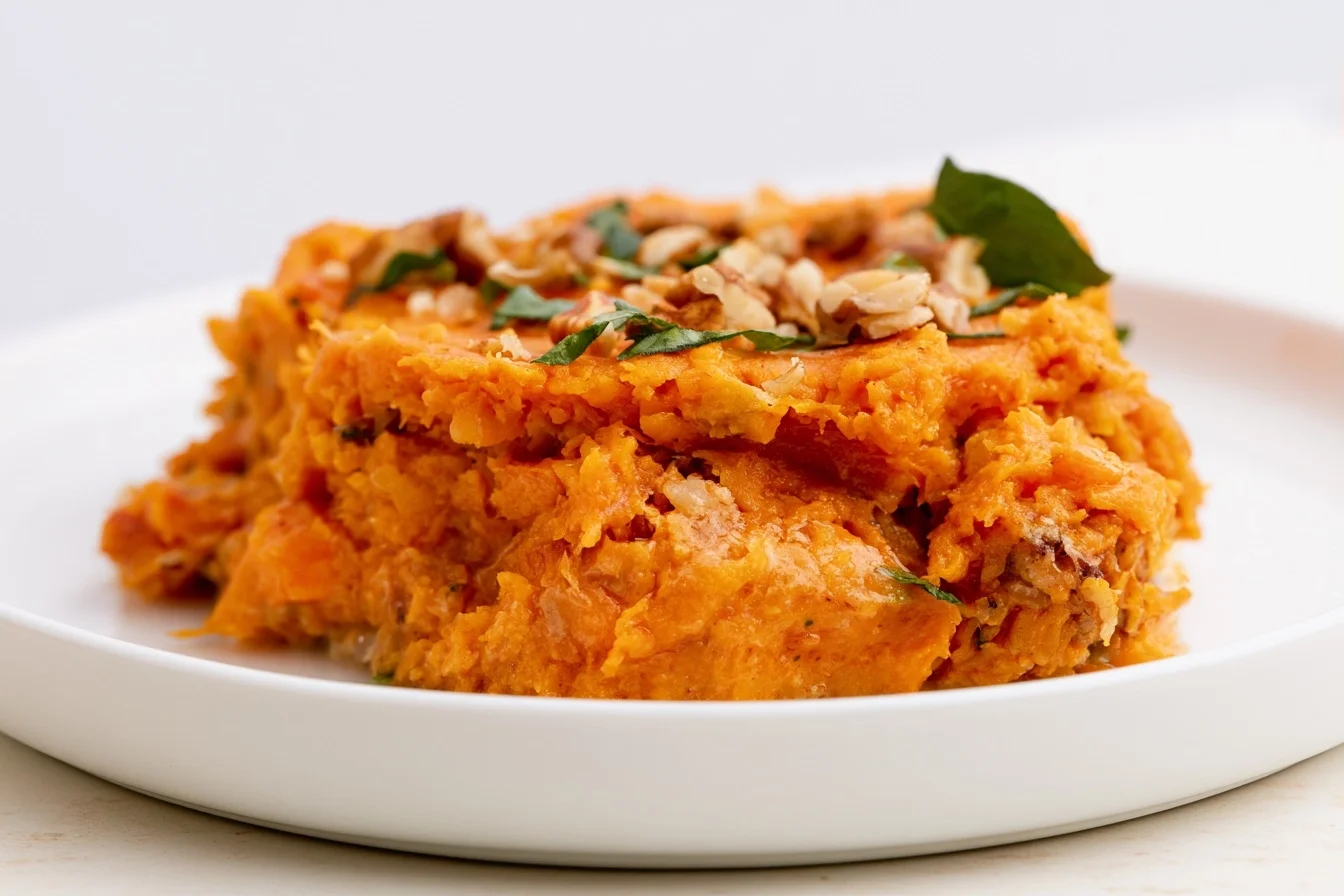
Thanksgiving and holiday dinners just got a whole lot sweeter with this keto sweet potato casserole dessert! This low-carb version transforms the classic side dish into a decadent dessert that satisfies your sweet tooth without derailing your ketogenic lifestyle. With its creamy filling, crunchy pecan topping, and warm spices, it’s the perfect ending to any festive meal.
I know what you’re thinking: sweet potatoes on keto? Here’s the secret—we’re swapping those starchy tubers for butternut squash or pumpkin puree, which gives you that same vibrant color and naturally sweet flavor with a fraction of the carbs. Therefore, you can enjoy all the nostalgic flavors of traditional sweet potato casserole without the guilt or blood sugar spike.
This dessert casserole is incredibly versatile too. Serve it warm with a dollop of sugar-free whipped cream for a cozy fall treat, or chill it for a refreshing summer dessert. Either way, your guests will never guess it’s low-carb!
Why You’ll Love This Recipe
- Only 5g net carbs per generous serving
- Ready in just 45 minutes from start to finish
- Tastes just like traditional sweet potato casserole
- Perfect for holiday gatherings and potlucks
- Naturally gluten-free and grain-free
Your New Favorite Low-Carb Holiday Dessert
Keto Sweet Potato Casserole Dessert
8
servings15
minutes30
minutes285
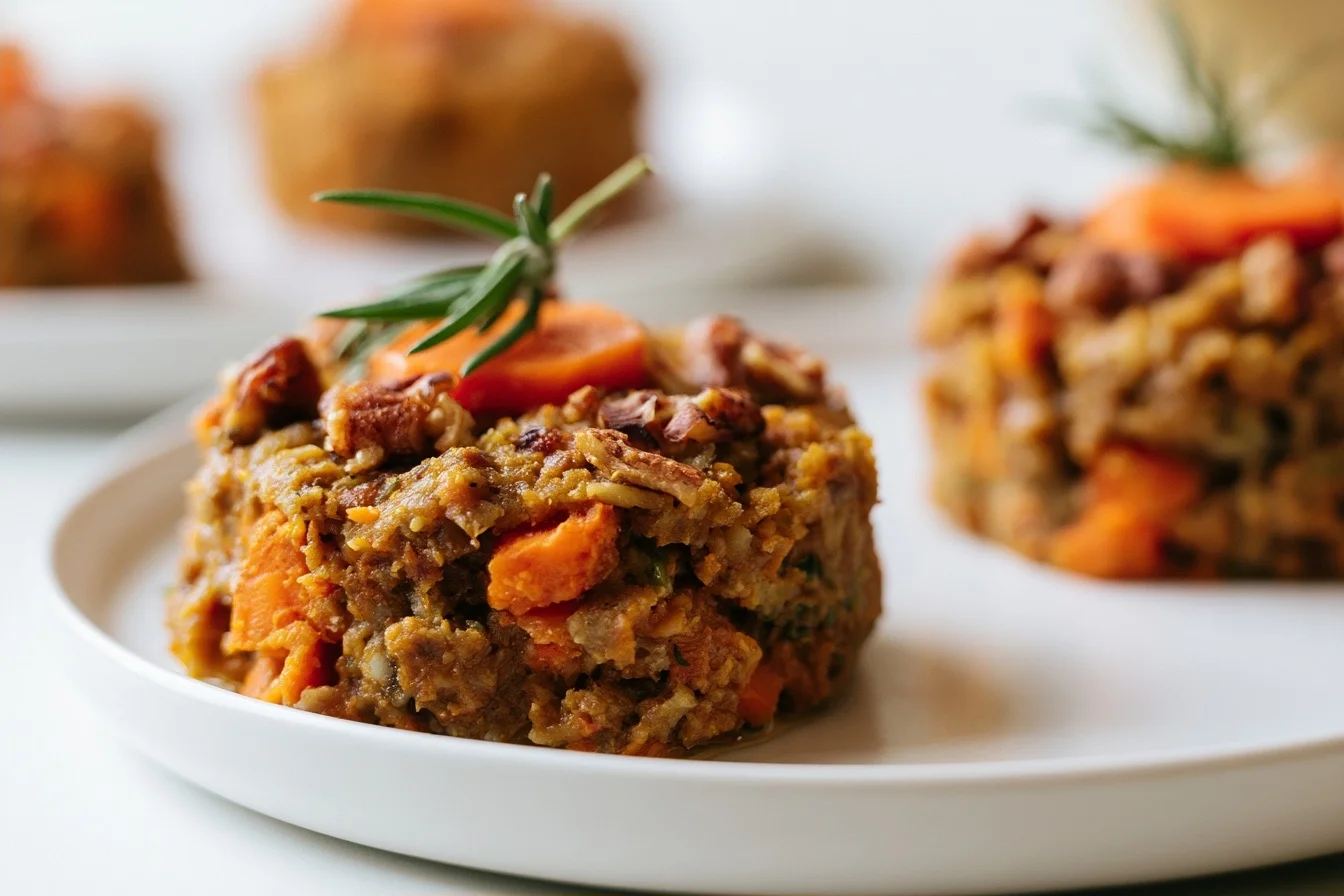
kcalThis low-carb dessert casserole features creamy butternut squash filling spiced with cinnamon and nutmeg, topped with crunchy butter-roasted pecans. It’s the perfect keto-friendly alternative to traditional sweet potato casserole with only 5g net carbs per serving.
Ingredients
3 cups butternut squash
0.5 cup powdered erythritol
0.25 cup heavy cream
2 large eggs
3 tablespoons butter
1 teaspoon vanilla extract
1 teaspoon ground cinnamon
0.5 teaspoon ground nutmeg
0.25 teaspoon salt
1.5 cups pecans
0.25 teaspoon ground cinnamon
1 cup whipped cream
Directions
- Preheat your oven to 350°F and grease an 8×8 inch baking dish with butter or coconut oil.
- Combine the mashed butternut squash with 6 tablespoons of powdered erythritol, heavy cream, beaten eggs, 2 tablespoons melted butter, vanilla extract, 1 teaspoon cinnamon, nutmeg, and salt in a large mixing bowl.
- Mix everything together until completely smooth and well combined. Use an immersion blender or regular blender if needed for the silkiest texture.
- Pour the filling into your prepared baking dish and spread it evenly with a spatula.
- Prepare the pecan topping by mixing chopped pecans with remaining 2 tablespoons powdered erythritol, 1 tablespoon melted butter, and 1/4 teaspoon cinnamon in a small bowl.
- Sprinkle the pecan mixture evenly over the top of the casserole filling, making sure to cover the entire surface.
Notes
- To cook butternut squash, peel and cube it, then roast at 400°F for 25-30 minutes until fork-tender. Let it cool completely before mashing.
- You can substitute canned pumpkin puree for the butternut squash. Make sure it’s 100% pumpkin with no added sugars.
- Store leftovers covered in the refrigerator for up to 5 days. Reheat individual portions in the microwave for 60-90 seconds.
- This casserole can be frozen for up to 3 months. Thaw overnight in the refrigerator before reheating.
Nutrition Facts
- Serving Size: 1 g
- Total number of serves: 8
- Calories: 285kcal
- Fat: 26g
- Carbohydrates: 9g
- Fiber: 4g
- Protein: 4g
Like this recipe?
Follow @easyketodessert on Pinterest
Tips for Making the Best Keto Sweet Potato Casserole Dessert
Success with this recipe comes down to a few key techniques. First, make sure your butternut squash or pumpkin is properly cooked and drained. Excess moisture will make your casserole watery instead of creamy and luscious. Additionally, don’t skip the step of mashing until completely smooth—lumps will affect the final texture.
Choose the Right Squash
Butternut squash works beautifully because it has a naturally sweet, nutty flavor. However, you can also use pumpkin puree or even kabocha squash. Make sure to use fresh roasted squash rather than canned, as canned varieties often contain added sugars. Roast your squash until fork-tender, then let it cool before mashing.
Get the Sweetness Just Right
Sweetener choice matters tremendously in keto baking. I recommend using powdered erythritol sweetener for the smoothest texture without grittiness. Taste your filling before baking and adjust sweetness as needed. Remember, flavors mellow slightly during baking, so aim for slightly sweeter than your target.
Perfect the Pecan Topping
The crunchy pecan topping is what transforms this from a simple squash dish into an irresistible dessert. Toast your pecans lightly before chopping to intensify their flavor. Mix them with melted butter, a touch of sweetener, and a pinch of cinnamon. Spread the topping evenly over the filling for consistent crunch in every bite.
Avoid Overbaking
Since the filling is already cooked, you’re really just warming it through and toasting the topping. Bake just until the edges are bubbling and the pecans are golden brown. Overbaking will dry out the filling and make it less creamy. Check at 25 minutes and add more time only if needed.
Creative Variations to Try
This base recipe is wonderfully adaptable. Once you’ve mastered the classic version, experiment with these fun twists. Each variation maintains the low-carb profile while adding exciting new flavors. In addition, these modifications let you customize the dessert to match your preferences or dietary needs.
Dairy-Free Version
Replace the heavy cream with full-fat coconut cream and use coconut oil instead of butter. The result is equally rich and creamy with a subtle tropical note. This version works perfectly for anyone avoiding dairy while following a ketogenic eating plan. The coconut flavor pairs beautifully with the warm spices.
Chocolate Pecan Twist
Add two tablespoons of unsweetened cocoa powder to the filling for a chocolate-orange flavor reminiscent of fancy truffles. This variation pairs wonderfully with our rich chocolate cake recipe if you’re planning a dessert spread. The cocoa deepens the color and adds sophisticated complexity.
Maple Pecan Upgrade
Use sugar-free maple syrup or maple extract in both the filling and the topping. This creates an autumn-inspired flavor profile that’s absolutely divine. The maple notes complement the nutty pecans perfectly. Just be mindful of the carb count if using syrup rather than extract.
Individual Serving Ramekins
Divide the mixture among six ramekins for elegant individual portions. This presentation works beautifully for dinner parties and makes serving a breeze. Reduce baking time to about 15-20 minutes since the smaller portions heat through faster. Top each ramekin with a small dollop of whipped cream for an impressive finish.
Understanding the Nutrition Profile
Each serving of this keto sweet potato casserole dessert contains approximately 285 calories. The macronutrient breakdown is perfectly balanced for ketogenic eating, with 26g of fat providing sustained energy. You’ll also get 4g of protein per serving, which helps with satiety.
The total carbohydrate count is 9g per serving, but with 4g of fiber, your net carbs come to just 5g. This makes it easy to fit into most keto meal plans without exceeding your daily carb limit. The high fat content keeps you satisfied and helps maintain ketosis throughout the day.
Compared to traditional sweet potato casserole, which can contain 40-50g of net carbs per serving, this version is a game-changer. You’re saving over 80% of the carbs while maintaining all the flavor and satisfaction. The natural sweetness from butternut squash means you need less added sweetener than you might expect. For more information about keto-friendly sweetener options, check out this comprehensive guide.
The pecans contribute healthy monounsaturated fats and important minerals like magnesium and zinc. Meanwhile, the butternut squash provides vitamin A and antioxidants. This dessert proves that keto eating can be both delicious and nutritious. If you’re looking for more low-carb dessert options, try our creamy keto cheesecake for another crowd-pleasing option.
Your Questions Answered
Making a new keto recipe can bring up lots of questions. Below, I’ve answered the most common questions readers ask about this dessert casserole. These tips will help you achieve perfect results every single time you make it.
Can I use real sweet potatoes in this keto casserole?
Real sweet potatoes are too high in carbs for keto. A medium sweet potato contains about 20g net carbs. This recipe uses butternut squash or pumpkin instead, which have only 8-10g net carbs per cup and create a similar texture and color.
How do I store leftover keto sweet potato casserole dessert?
Store covered in the refrigerator for up to 5 days. The casserole actually tastes even better the next day as the flavors meld together. Reheat individual portions in the microwave for 60-90 seconds, or warm the entire dish in a 325°F oven for 15 minutes.
Can I freeze this dessert casserole?
Yes! Freeze for up to 3 months. I recommend freezing it before baking for best results. Wrap tightly in plastic wrap, then aluminum foil. Thaw overnight in the refrigerator before baking as directed. You can also freeze baked portions individually for quick single servings.
What can I use instead of pecans?
Walnuts, almonds, or macadamia nuts all work beautifully. Chop them to similar size as pecans for even toasting. You can also use a combination of nuts for more complex flavor. For a nut-free version, try unsweetened coconut flakes or crushed pork rinds for crunch.
Is this recipe suitable for diabetics?
This recipe is much lower in carbs than traditional sweet potato casserole, making it more blood sugar friendly. However, everyone’s response to foods is different. Monitor your blood sugar levels and consult with your healthcare provider about incorporating keto desserts into your meal plan.
Can I make this ahead for Thanksgiving?
Absolutely! Prepare the casserole up to 2 days ahead. Assemble completely, cover tightly, and refrigerate. Add 5-10 minutes to the baking time since you’re starting with a cold dish. This makes holiday meal prep so much easier and less stressful.








Leave a Reply